English
  Spanish
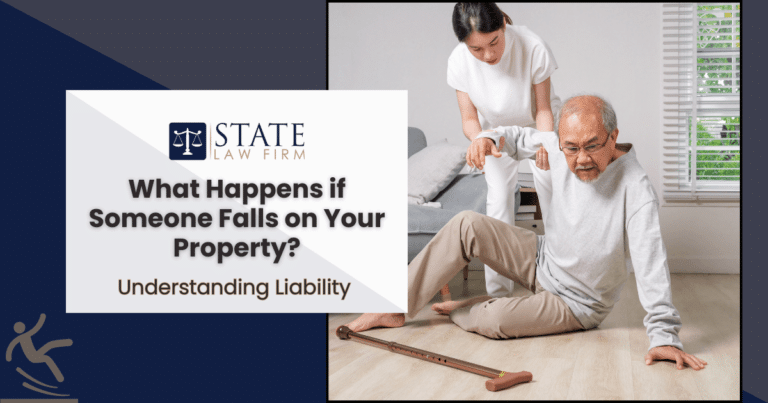
Owning property comes with a host of responsibilities, and understanding liability is a key part of ensuring you are protected. Accidents, particularly slip and fall incidents, can happen in the blink of an eye, and property owners may find themselves navigating complex legal challenges. In fact, slip and fall accidents account for over 1 million emergency room visits annually in the U.S., highlighting the importance of proactive property management to prevent such incidents and potential liability issues (source).
At State Law Firm, we are committed to guiding property owners through the legal nuances of premises liability. Our boutique firm, based in Sherman Oaks, California, is run by young, dynamic attorneys who aim to become leading litigators, helping our clients win even the toughest cases. If you find yourself dealing with an accident on your property, it’s crucial to understand your obligations and the steps to take to safeguard your interests. For more detailed guidance on your legal options, check out our dedicated page on premises liability.
With the right preparation, property owners can minimize risks and respond effectively if an accident occurs. Read on to learn about the legal responsibilities, steps to take after an incident, and what to expect if found liable for a visitor’s injury.
The Importance of Property Liability Awareness
Owning property comes with a range of benefits—investment potential, rental income, and personal enjoyment—but it also carries legal responsibilities. Property liability refers to the legal obligation owners have to maintain a safe environment for visitors, tenants, and guests. If someone sustains an injury on your property, such as in a slip and fall accident, you could be held responsible for medical bills, damages, and legal fees. Liability awareness helps you protect yourself, your assets, and your reputation.
Why Property Liability Awareness Matters:
- Risk Management: Identifying and mitigating potential hazards minimizes your liability exposure.
- Avoiding Legal Disputes: A proactive approach to safety reduces the likelihood of lawsuits.
- Financial Protection: Liability insurance provides coverage for claims and legal expenses.
Common Property Risks Include:
- Slippery or uneven surfaces, especially near entryways.
- Loose handrails or staircases in need of repair.
- Poorly lit areas, increasing the risk of falls.
- Unmarked construction zones or maintenance work.
Pro Tip: Conduct regular inspections and maintenance to address hazards before they become legal liabilities. This practice not only prevents accidents but also strengthens your defense if a claim is filed.
Understanding Premises Liability: What It Means for Property Owners
Premises liability is the legal concept that holds property owners accountable for maintaining safe conditions. A property owner’s duty of care varies depending on the visitor’s reason for being on the premises, but negligence can expose you to lawsuits if injuries occur. Failing to take reasonable precautions, like repairing hazards or warning visitors about dangerous conditions, can make property owners liable.
Types of Premises Liability Claims:
- Slip and Fall Accidents: Caused by spills, loose rugs, or uneven flooring. These are among the most common and expensive liability claims.
- Inadequate Security: If someone is harmed due to poor lighting or lack of surveillance, the property owner may be found liable.
- Dog Bites: If an owner’s pet injures a guest, the owner could be held responsible.
- Swimming Pool Accidents: Property owners are expected to have adequate fencing, signage, and safety measures around pools.
A failure to address these risks can have serious financial and legal consequences. Many premises liability cases hinge on proving negligence—whether the property owner knew or should have known about a dangerous condition and failed to fix it.
Pro Tip: If you operate rental properties, include premises liability clauses in your leases, requiring tenants to notify you of unsafe conditions immediately.
The Legal Steps to Take After a Fall on Your Property
If someone is injured on your property, your response can significantly impact the outcome of any legal or insurance claims. Acting quickly and methodically ensures that you protect both your visitors and yourself.
Step-by-Step Response to an Accident:
- Ensure Immediate Safety: Assist the injured party and, if necessary, call for medical help.
- File an Incident Report: Record the details of the accident, including the location, time, and witnesses.
- Gather Evidence: Take photos or videos of the area to document any hazards or contributing factors.
- Collect Witness Statements: Speak to anyone who saw the incident and ask for their contact information.
- Notify Your Insurance Company: Report the incident promptly to your insurer to initiate the claims process.
- Review Security Footage: If available, footage can offer critical evidence in case of a dispute.
Why Proper Documentation Matters:
- Strengthens Your Defense: Thorough records can help prove that you were not negligent.
- Facilitates Insurance Claims: Detailed documentation streamlines the claims process, reducing delays.
- Prevents Disputes: Witness statements and photos help clarify what happened, preventing conflicting narratives.
Pro Tip: Create a standard incident response procedure for your staff to follow, ensuring consistency and minimizing mistakes during stressful situations.
Assessing Liability: Who is Responsible for the Accident?
Liability isn’t always straightforward. Determining responsibility depends on several factors, including the visitor’s legal status on the property and the extent of the property owner’s negligence. Knowing who qualifies as an invitee, licensee, or trespasser helps property owners understand their level of responsibility.
Understanding Visitor Status and Duties:
- Invitee:
- Someone who enters the property for business purposes, such as a tenant, customer, or contractor.
- Owners owe invitees the highest duty of care, including regular inspections and prompt repairs.
- Licensee:
- A social guest, such as a friend or neighbor, who enters with permission but not for business.
- Owners must warn licensees of known dangers that may not be obvious.
- Trespasser:
- Someone who enters without permission. Owners have a limited duty of care but must not intentionally create hazards.
Comparative Negligence Laws:
In many jurisdictions, the concept of comparative negligence allows courts to assign fault to both the injured party and the property owner. If the injured person was partially responsible for their own injury—such as walking while distracted—their compensation may be reduced by their percentage of fault.
Potential Consequences: What Could Happen If You Are Found Liable?
Failing to meet your duty of care can result in severe legal and financial consequences. Slip and fall accidents alone result in thousands of claims annually, with settlements often ranging from thousands to millions of dollars. Understanding the potential outcomes of liability will help you see the importance of proactive risk management.
Consequences of Being Found Liable:
- Financial Compensation:
- Medical expenses, including surgeries, rehabilitation, and follow-up care.
- Lost wages and reduced earning capacity for injured parties.
- Compensation for emotional distress and pain and suffering.
- Legal Penalties:
- Courts may impose fines or punitive damages for gross negligence.
- Legal fees and court costs can quickly accumulate, even if you win the case.
- Insurance Impact:
- Liability claims can increase insurance premiums or result in policy cancellations.
- Insufficient coverage may require you to pay out-of-pocket for claims.
- Reputational Damage:
- Ongoing lawsuits can tarnish your reputation and deter future business.
Pro Tip: Invest in comprehensive liability insurance and work with a legal expert to review your policies and procedures. It’s also beneficial to educate tenants, employees, or family members about safe practices to reduce risks further.
Being proactive about your property liability isn’t just about avoiding lawsuits—it’s about creating a safe environment for everyone who visits your property. Whether you’re managing an apartment complex, a commercial space, or your personal home, liability awareness is essential.
Looking to secure your property and safeguard against potential liabilities? We can help you develop a custom safety plan, review your insurance coverage, and provide expert legal insights. Take the first step towards peace of mind today.