English
  Spanish
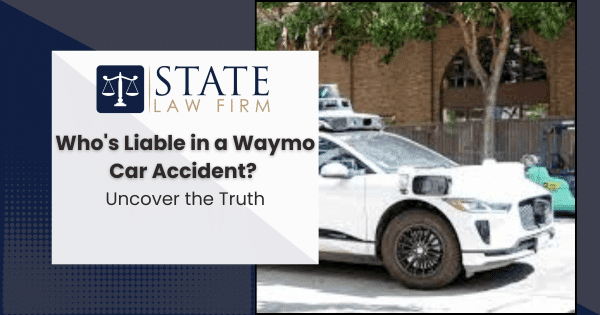
Driverless Waymo passenger service now operates in Los Angeles, making questions about fault and compensation increasingly relevant to California motorists, passengers, pedestrians, and bicyclists. California regulates autonomous vehicles, but an accident involving one is not governed by an entirely separate liability system. Investigators must still determine what happened, why it happened, and whose conduct or product contributed to the injuries.
Liability in a Waymo accident depends on what caused the collision. Waymo may be responsible if its automated-driving system, vehicle maintenance, fleet operations, or another act or omission contributed to the crash. Another driver, manufacturer, contractor, public entity, or several parties may also share responsibility. A passenger is not automatically treated as the driver merely because they requested the ride.
The absence of a person behind the wheel changes the evidence that must be examined, but it does not eliminate the need to prove fault. Electronic driving logs, sensor information, video, maintenance records, and remote-assistance communications may be as important as the police report and witness statements.
How Liability Works When a Car Has No Human Driver
California’s autonomous-vehicle laws authorize regulated testing and deployment while imposing requirements relating to permitting, insurance, safety systems, and collision data. Those regulations operate alongside established California negligence and product-liability principles.
A Driverless Car Does Not Eliminate the Need to Prove Fault
A person seeking compensation generally must connect the defendant’s conduct or product to the collision and resulting harm. In a negligence claim, this usually means examining:
- Whether the defendant owed a legal duty
- Whether an action or failure to act breached that duty
- Whether the breach was a substantial factor in causing the crash
- Whether the claimant sustained legally recoverable injuries or losses
An unusual stop, turn, or lane change by a Waymo vehicle may justify investigation, but the maneuver alone does not necessarily prove negligence or a defect.
California May Divide Fault Among Several Parties
California applies comparative-fault principles. This means responsibility may be divided among Waymo, another motorist, a manufacturer, a contractor, the injured person, or another entity based on each party’s contribution to the harm.
For example, suppose a Waymo vehicle reacts improperly while another driver changes lanes at an unsafe speed and a bicyclist enters against a signal. A fact finder could assign a percentage of responsibility to each party based on the evidence. Shared fault does not automatically eliminate an injured person’s claim, although it can affect the amount recoverable.
Four Questions That Determine Liability
- What action, defect, or failure caused the collision?
- Was the Waymo Driver operating in autonomous mode?
- Did another road user, company, component, or roadway condition contribute?
- What injuries and financial losses resulted?
California’s current civil jury instructions provide the broader framework for negligence, causation, comparative fault, product defects, and damages.
When Waymo Could Be Liable for the Accident
Waymo’s involvement in a crash does not establish fault by itself. Liability may arise, however, when evidence connects the company’s technology, operations, maintenance, or warnings to the collision.
Automated-Driving Software or Decision-Making Failure
An investigation may examine whether the automated-driving system failed to recognize or respond appropriately to:
- A pedestrian or bicyclist
- A stopped or disabled vehicle
- Road debris or another obstruction
- A vehicle entering or changing lanes
- A construction zone or unusual traffic pattern
- Conditions outside the system’s intended operating environment
The issue is not simply whether the vehicle made an unexpected decision. Investigators may need to determine what the system perceived, what it predicted other road users would do, what driving command it issued, and whether that conduct caused the collision.
Sensor, Mapping, or Hardware Problems
Waymo describes its automated-driving system as using cameras, lidar, radar, maps, and onboard computing to perceive and respond to the surrounding environment. A crash investigation may therefore evaluate the condition and performance of those systems.
Responsibility may depend on whether a problem arose from:
- System design
- Manufacturing
- Installation or integration
- Mapping or configuration information
- A defective brake, tire, steering, or electrical component
- Maintenance or servicing
- A product supplied by another company
A technology-related crash may involve both negligence and product-liability questions. State Law Firm’s defective-products practice explains how defective vehicles and components can create liability separate from ordinary driver negligence.
Negligent Fleet Maintenance or Operational Oversight
Waymo could potentially be responsible if evidence shows that fleet-management or operational conduct contributed to the event. Relevant issues may include:
- Failure to inspect or repair a known problem
- Inadequate response to recurring warnings
- Improper maintenance
- Failure to remove an unsafe vehicle from service
- Remote-assistance or operational decisions that affected the vehicle’s response
Whether remote personnel influenced a particular event will depend on the system, the communications, and the circumstances surrounding the crash.
Failure to Warn About a Known Safety Risk
A failure-to-warn claim may be considered when a company knew or should have known about a material risk associated with a product and failed to provide an adequate warning or instruction. The viability of this theory depends on the nature of the risk, who needed the warning, what information was provided, and whether the absence of an adequate warning contributed to the injury.
Waymo May Be Liable When Evidence Shows That
- Its automated-driving system caused or contributed to an unsafe maneuver
- A sensor, software, mapping, or hardware problem contributed to the collision
- A known maintenance or safety problem was not properly addressed
- Fleet or remote operational decisions contributed to the event
- An inadequate warning concerning a material known risk contributed to the injury
Other Parties That May Be Responsible for a Waymo Crash
A complete investigation should not assume that every Waymo collision is solely a claim against Waymo.
| Potential Party | Possible Basis for Liability |
| Waymo or an affiliated operating entity | System, operation, monitoring, warning, or maintenance failure |
| Another road user | Speeding, distraction, impairment, unsafe turning, or failure to yield |
| Vehicle or component manufacturer | Defective vehicle, brake, tire, steering, electrical, or other component |
| Supplier or contractor | Improper service, repair, installation, mapping, or component manufacturing |
| Public entity or road contractor | Dangerous roadway, malfunctioning signal, missing sign, or unsafe construction zone |
Another Driver, Motorcyclist, Pedestrian, or Bicyclist
Another road user may be wholly or partly responsible for speeding, distraction, an unsafe turn, impairment, failure to yield, or another violation. A Waymo vehicle’s presence does not excuse negligent conduct by other people using the road.
The Base-Vehicle or Component Manufacturer
A defect in the underlying vehicle may contribute independently of the automated-driving software. Brakes, tires, steering systems, electrical components, restraints, and other hardware may require separate inspection and analysis.
Maintenance Companies, Suppliers, and Contractors
Outside businesses may be involved in servicing vehicles, supplying components, installing equipment, providing maps, or completing repairs. Contracts, work orders, inspection records, and component histories can help determine whether a third party contributed.
A Government Entity or Road Contractor
A malfunctioning signal, dangerous roadway design, missing sign, or unsafe construction condition may contribute to a collision. Claims against California public entities are subject to special claim-presentation procedures. For many personal-injury or property-damage claims, Government Code section 911.2 requires presentation of a government claim within six months after accrual, subject to exceptions and additional requirements.
Presenting a government claim is not the same as filing a lawsuit. Prompt case-specific review is important when a city, county, state agency, public employee, or public roadway may be involved.
How Attorneys Investigate and Prove Fault in a Waymo Accident
An autonomous-vehicle claim may depend on information that does not exist in a conventional collision. The central question is often not only where the vehicle moved, but what it detected and why it made that decision.
Vehicle Cameras, Sensor Data, and Driving Logs
Potential evidence may include:
- Exterior or interior camera recordings
- Lidar, radar, and other sensor inputs
- Speed, braking, steering, and acceleration data
- System warnings and diagnostic records
- Records identifying whether autonomous mode was active
- Remote-assistance communications
- Software, configuration, mapping, and maintenance information
California Vehicle Code section 38750 requires an autonomous vehicle to capture specified sensor data for at least 30 seconds before a collision while operating in autonomous mode and preserve that data for three years. That requirement does not necessarily cover every useful video, communication, log, software record, or internal analysis.
The records available in an individual case will depend on the incident, applicable retention obligations, control of the information, and the formal discovery process.
California DMV and Federal Crash Reports
The California DMV autonomous-vehicle program requires manufacturers operating under applicable testing rules to report qualifying collisions. The National Highway Traffic Safety Administration also requires identified manufacturers and operators to report certain crashes involving automated driving systems under its Standing General Order.
These reports may provide useful leads, dates, locations, operating-mode information, and basic narratives. They do not necessarily determine legal fault.
Traditional Accident Evidence Still Matters
Electronic records should be evaluated alongside:
- Police or CHP reports
- Witness statements
- Nearby surveillance and dashcam footage
- Vehicle damage
- Debris, tire marks, and final resting positions
- Medical records
- Mobile-phone and app information
- Traffic-signal timing
- Construction and roadway records
Why an Early Preservation Letter Matters
An attorney may send preservation notices requesting that relevant video, telemetry, logs, communications, maintenance records, software information, and internal reports not be deleted or overwritten.
A preservation request does not guarantee that every requested record will be voluntarily produced. It can, however, identify the information at issue and support later efforts to obtain evidence through subpoenas or formal discovery.
What to Do Immediately After a Waymo Accident
The safest response after a Waymo collision is similar to the response after any serious crash, with additional attention to identifying the vehicle and preserving electronic evidence.
Six Steps to Take After a Waymo Accident
- Call 911 and address immediate safety. Seek emergency assistance when anyone may be injured. Move out of an active traffic lane only when it is safe to do so. The California Highway Patrol recommends first attending to medical needs, moving vehicles to safety when there are no injuries, and notifying the appropriate law-enforcement agency.
- Photograph the vehicle and scene. Capture the Waymo vehicle, license plate, identifying numbers, all involved vehicles, damage, lane markings, signals, signs, construction, debris, lighting, weather conditions, and visible injuries.
- Obtain witness and police information. Collect witness names and contact information. Ask for the police-report or incident number and record which agency responded.
- Report the incident without speculating about fault. Describe what you saw and experienced. Do not guess about the software, admit fault, or minimize an injury you have not yet had medically evaluated.
- Get appropriate medical care and document losses. Some symptoms may not be immediately obvious. Keep records of medical visits, prescriptions, missed work, transportation expenses, property damage, and how the injury affects daily activities.
- Speak with an attorney before important evidence becomes difficult to obtain. A lawyer can evaluate preservation issues, identify potentially responsible parties, communicate with insurers, and review applicable deadlines.
California also requires an SR-1 collision report within 10 days when someone is injured or killed or when property damage exceeds the current reporting threshold. The SR-1 is separate from a police report.
What Not to Do
- Do not speculate publicly about how the automated system worked
- Do not give an unnecessary recorded statement before understanding who is requesting it
- Do not sign a broad release without reviewing its effect
- Do not repair or dispose of important physical evidence before it is documented
- Do not assume the police report or regulatory collision report conclusively decides fault
Compensation and Filing Deadlines After a Waymo Crash
Compensation depends on proof of liability, causation, the nature of the injuries, available insurance, and applicable law. An accident alone does not guarantee a financial recovery.
| Type of Loss | Potential Examples |
| Economic damages | Medical expenses, future treatment, lost income, reduced earning capacity, property damage, transportation, and other documented expenses |
| Noneconomic damages | Physical pain, emotional distress, disability, inconvenience, and loss of enjoyment of life when legally recoverable |
California Civil Code section 1431.2 defines economic and non-economic damages for purposes of allocating responsibility in comparative-fault cases.
California Deadlines and Important Exceptions
Many California actions for injury or death caused by another person’s wrongful act or neglect are governed by the two-year period in Code of Civil Procedure section 335.1. That does not mean every Waymo claimant has exactly two years.
Different or shorter requirements may apply when:
- A government entity or public employee may be responsible
- The injured person is a minor
- An injury or its cause was not reasonably discovered immediately
- A defendant leaves California
- The claim involves wrongful death
- Another statute, contractual provision, or administrative procedure applies
Deadline warning: Do not calculate a filing deadline from a general article. The triggering date, defendants, claim type, and possible exceptions must be evaluated individually.
Frequently Asked Questions About Waymo Accident Liability
Can I sue Waymo if I was a passenger during the crash?
A passenger may be able to bring a claim when evidence shows that Waymo, another road user, a manufacturer, or another party caused the crash and resulting injuries. Booking the ride does not automatically make the passenger responsible for operating the vehicle. Liability and available insurance depend on what happened and which entities controlled the vehicle and service.
Is Waymo automatically liable because there was no human driver?
No. The absence of a human driver does not make Waymo automatically liable. Investigators must identify the cause of the collision and connect it to negligent conduct, a defective product, unsafe maintenance, inadequate warnings, or another recognized basis for liability. Another driver or several parties may be partly or entirely responsible.
What if another driver hit the Waymo vehicle?
The other driver may be responsible if speeding, distraction, an unsafe lane change, failure to yield, or other negligent conduct caused the crash. Waymo could still share responsibility if its system reacted improperly or independently contributed. California comparative-fault principles allow responsibility to be allocated among multiple parties.
Does Waymo keep video and sensor records of a collision?
A Waymo vehicle may generate camera, sensor, diagnostic, and driving information, but the precise records available depend on the vehicle, event, retention practices, and legal process. California law requires preservation of specified autonomous-technology sensor data after certain collisions, but additional footage, communications, and logs should still be identified in a prompt preservation request.
How long do I have to file a Waymo accident claim in California?
Many private-party personal-injury lawsuits are subject to a two-year statute of limitations, but shorter procedures and exceptions may apply. A claim involving a public entity may require presentation of a government claim within six months. Minors, delayed discovery, wrongful death, absent defendants, and other circumstances can affect the analysis.
Get Help Determining Who Was Responsible for the Waymo Crash
A Waymo crash may involve far more evidence than an ordinary traffic accident. Proprietary electronic records, several corporate entities, another driver, a component manufacturer, a contractor, or a public agency may all require investigation.
An attorney can evaluate the evidence, applicable insurance, potential legal theories, damages, government-claim requirements, and filing deadlines. State Law Firm provides personal-injury representation from its main office in Sherman Oaks and serves clients throughout California. The firm’s Los Angeles self-driving-car accident resource and Sherman Oaks car accident practice provide additional information about these claims.
Contact State Law Firm at (877) 659-9223 for a free consultation about a California Waymo or autonomous-vehicle accident.
A driverless vehicle does not create automatic corporate liability or leave an injured person without a potential claim. Responsibility follows the evidence. The most important steps are to address medical needs, document the collision, identify all possible parties, preserve electronic records, and obtain a case-specific review before important deadlines expire.
Legal Disclaimer
This article is provided for general informational purposes only and does not constitute legal advice. Reading this content or contacting State Law Firm does not create an attorney-client relationship. Legal rights, deadlines, and available claims depend on the specific facts and circumstances of each matter.