Spanish
  English
A crash can flip your life in minutes. If you are dealing with pain, a damaged car, missed work, or an insurance adjuster pushing you to “wrap it up,” you deserve clear guidance and real support.
This page walks you through what to do after a collision in Mission Viejo, what can quietly hurt your claim, and how the right legal team can protect your recovery from day one. If you want help right now, start here: consulta gratuita.
If you are comparing local options in nearby Orange County areas, you can also explore: Irvine car crash lawyer, Costa Mesa car accident lawyers, Santa Ana car accident lawyers, y Huntington Beach car accident lawyers.
Immediate moves after a crash in Mission Viejo

The first hour matters because it creates the paper trail. Even if your car still drives and you feel “mostly okay,” the steps you take now can shape how insurance evaluates fault, injuries, and payout.
Safety first, always
Get to a safer spot if vehicles are creating danger. Turn on hazards. Call 911 if anyone is hurt, traffic is blocked, or you suspect impairment. If law enforcement responds, keep your answers factual and avoid debating fault at the scene. For a simple walkthrough, read: filing a police report after an accident in California.
Capture the scene before it changes
Crashes are messy and fast. Skid marks fade, cars get moved, and witnesses leave. Use your phone to capture wide shots and close ups:
- Vehicle positions from multiple angles
- Damage on every side of every involved vehicle
- Roadway markers, lane lines, intersection signs, and traffic signals
- Debris, broken glass, fluid trails, and visible skid marks
- Bruising, cuts, swelling, and anything that develops later that day
If your crash happened near an intersection or major roadway, video can be powerful. Learn how to move quickly here: how to get traffic camera footage after an accident.
Get the right information from everyone involved
At minimum, collect the basics: names, contact info, plate numbers, insurance details, and photos of driver licenses and insurance cards. If someone refuses to cooperate or leaves, document whatever you can and report it. If you are facing a hit and run with limited info, this helps: hit and run on a parked car with no witness.
If you were rear ended and the driver took off, use this guide: rear ended and they left the scene.
Do not createavoidable problems for your claim
A few common mistakes can drag down a case value or give the insurer an excuse to reduce what they pay:
- Speculating about speed, distances, or who “might” be at fault
- Skipping care because you want to “tough it out”
- Posting online like nothing happened
- Agreeing to a quick settlement before you understand the full medical picture
Social media is one of the easiest ways to hand the defense ammunition. Even “harmless” posts can be twisted. Read: ¿Pueden las redes sociales afectar mi caso de lesiones personales?.
Handle DMV and report paperwork correctly
California has a separate DMV reporting requirement that catches many drivers off guard. The SR 1 is not a police report and not an insurance claim. Learn what it is, when it is required, and how to file it here: SR 1 traffic accident report guide.
Need a copy of a crash report? Start with: Cómo obtener un informe de accidente en California. If the California Highway Patrol handled the collision report, this explains the application process: CHP 190 form guide.
If you need the other driver’s insurance information through DMV records or need an uninsured motorist certification request, see: SR 19C financial responsibility request.
How fault and insurance work in California car accident claims
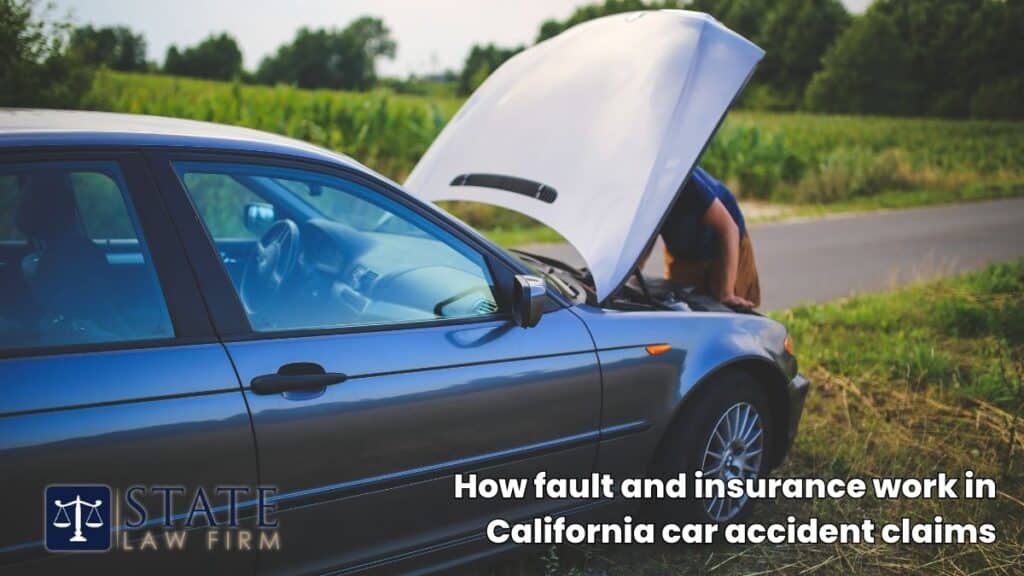
Insurance companies often talk like they are “just investigating,” but the reality is simple: they are managing risk and minimizing payout. If you want to understand how adjusters evaluate cases and why early statements matter, read: El papel de las compañías de seguros en los casos de lesiones personales.
Tickets matter, but evidence matters more
A citation can influence the story, but it is not the whole story. Your civil claim is built on evidence, documentation, and how fault is supported. Get the practical breakdown here: how traffic citations affect your personal injury case.
If you received a ticket and you are unsure what your options mean for your license and your case, start here: police citations in California and what to do.
When adjusters try to split fault 50 50
A common insurer move is the “shared blame” approach. They may call it unclear, call it he said she said, or say it is “50 50.” If that happens, you need proof and a strategy, not frustration. Use: how to fight a 50 50 insurance claim.
Rear end crashes have patterns, but still need proof
Rear end collisions are among the most familiar claim types, and insurers often start with a presumption that the following driver caused the crash. Still, they can look for ways to argue “sudden stop” or mechanical issues. Learn the legal framework and common defenses here: why the rear driver is almost always at fault in California.
If someone borrowed a car, liability can get complicated
Sometimes the driver is not the owner. Coverage disputes can follow, especially if the insurer argues the driver was not permitted or was excluded. Get clarity here: third party car liability when someone borrows your car.
Be careful with recorded statements and early settlement pressure
Adjusters can sound friendly while aiming for quick, low resolution outcomes. If you are dealing with a major carrier, learn what to watch for: Tratar con los ajustadores de reclamaciones de GEICO, State Farm claim disputes, y Farmers insurance claim disputes.
When an insurer crosses the line into unfair tactics, delays, or unreasonable denials, bad faith issues can surface. Learn the difference between first party and third party bad faith here: insurance bad faith in California.
What your claim can include
A strong case is not just “medical bills plus car repairs.” A complete claim accounts for how the crash changed your health, work, and day to day life. If you want a clear explanation of the categories used to value a claim, start with: special damages vs general damages.
Facturas médicas y costos de tratamiento
Medical billing in a California crash often becomes a coordination puzzle. Treatment can involve health insurance, liens, and delayed reimbursement from the at fault carrier. This guide breaks down what typically happens: who pays medical bills after a car accident in California.
If you are worried about affording care while the case is pending, there are tools that may help bridge the gap in certain situations. Learn how a Letter of Protection may work here: letter of protection guide.
Pain, suffering, and the human cost of an injury
Your recovery is not just physical therapy receipts. It can include disrupted sleep, stress, limited mobility, and the inability to do what you used to do. If you want to understand how non economic damages are evaluated, read: how to estimate pain and suffering in California.
Emotional distress and psychological impact
Anxiety after driving, panic attacks, insomnia, and PTSD symptoms can be real after serious collisions. Start with: emotional distress claims after a car accident, then go deeper on legal pathways here: IIED vs NIED in California.
Hidden and underestimated injuries
Soft tissue injuries can be painful and disruptive even when early imaging looks “normal.” Documentation matters. Learn what insurers look for and how medical records support your recovery here: soft tissue injury claim guide.
Traumatic brain injuries can range from concussion style symptoms to long term cognitive changes. If you are dealing with headaches, dizziness, memory problems, mood changes, or concentration issues, start here: TBI legal rights after an accident, ¿Qué es una lesión cerebral traumática?, y long term effects of traumatic brain injury.
If you had prior back pain, a previous injury, or a chronic condition, the insurance company may try to blame your symptoms on the past. California law still allows recovery when a crash worsens an existing condition, but the strategy must be handled carefully. Read: pre existing conditions and personal injury claims.
Property damage and diminished value
Even after repairs, a vehicle can lose resale value because it now has an accident history. If you want to understand diminished value and the different categories, read: diminished value claims after an accident.
When you should call a car accident lawyer

Some collisions can be handled through insurance with minimal friction. Others look minor and then spiral when symptoms show up, liability gets disputed, or the adjuster starts pushing a fast payout. If you are on the fence, start with: should I get a lawyer for a minor car accident.
A “fender bender” can still trigger headaches if vehicle damage is understated, if the other driver changes their story, or if your neck and back tighten up over the next day or two. Read: what a fender bender means legally.
If you want a clear explanation of what an attorney actually does in a claim, review: Beneficios de contratar a un abogado especializado en lesiones personales y top reasons to hire a personal injury attorney.
When you are ready for a real conversation about your options, start here: schedule a free consultation.
Mission Viejo crashes with special complications
Not every crash is a simple two car scenario. Complexity usually means more insurance carriers, more finger pointing, and more need for evidence.
Common crash types that tend to create disputes
If you want a quick overview of common collision types, review: most common types of car accidents.
Broadside collisions often happen at intersections and frequently involve right of way disputes. Evidence collection is crucial. If your crash was a side impact event, read: broadside collisions and liability.
If your collision involved a side impact with serious injuries, this helps with fault and next steps: T bone accident fault and legal steps.
Multi vehicle chains and secondary impacts
One driver can cause a chain reaction. Liability can spread across drivers, and the insurer may try to push you into the middle of the blame story. If you were forced into another car or caught in a sequence, read: opciones legales en caso de accidentes con varios vehículos.
Hit and run scenarios
When a driver flees, the process changes. You may rely on collision coverage, uninsured motorist paths, and any available footage. Start here: hit and run with no witness.
If you left the scene of a one car accident or you are unsure what counts as “leaving,” do not guess. Learn the stakes here: legal consequences of fleeing the scene of a one car accident.
Uninsured and underinsured complications
Crashes involving missing coverage can create stress fast. If you were uninsured, or the other driver was, understanding the potential consequences and next steps matters. Start with: handling a car accident without insurance y what happens when you hit someone with no insurance.
Vehicle safety tech, airbags, and defect questions
Modern crashes can involve more than driver behavior. Airbag deployment can injure children, smaller adults, seniors, and pregnant occupants depending on position and distance. Learn more here: ¿Son peligrosos los airbags?.
Sensor failures can also contribute to collisions when drivers rely on warnings, braking systems, or lane features. If winter conditions or sensor malfunctions played a role, read: cold weather and safety sensor malfunctions.
If a defective product may have contributed to injury, this practice area explains how those cases are handled: defective products attorney.
Drunk driving trends and legal changes that can affect cases
DUI collisions can create life changing injuries and wrongful death outcomes. If impaired driving played a role, review: drunk driving crash risks and liability.
Laws can change. For 2026 updates that may affect crash cases and negotiations, read: new California traffic laws in 2026.
Weather, road conditions, and dangerous driving choices
Rain changes traction and stopping distance, and it can increase the severity of impacts. If weather was a factor, read: how rain makes California roads dangerous.
If your collision involved mountainous driving conditions, this guide helps: driving on icy or wet mountain roads in California.
If the other driver brake checked you or claimed you “came out of nowhere,” learn how the law looks at that behavior: is brake checking illegal in California.
If distraction and phone use are part of the story, review: California no touch law y calling while driving and phone laws.
How a law firm builds your case and what happens next
A strong case is built, not hoped for. That typically means documentation, medical clarity, and a plan that forces the insurer to take your losses seriously.
Demand packages and negotiation strategy
Most cases begin to move when the insurer has a clear story, supported by records, and a demand that explains what the claim is worth. Here is a plain language explanation of what goes into that process: Guía para cartas de demanda por lesiones personales.
Settlement vs lawsuit
Settling can be faster and more private, but only when the offer is fair and covers both present and future needs. If you want an overview of how these paths differ, read: lawsuit vs settling out of court.
If litigation becomes necessary, understanding timeline stages helps you plan around medical treatment and life logistics: cronología del litigio.
If you are wondering how long cases take overall, including negotiation and the factors that slow or speed resolution, read: how long it takes to settle a car accident claim.
Deadlines that can quietly end a case
Waiting too long can destroy an otherwise strong claim. California has strict filing deadlines, and special rules can apply in certain cases. Start here: statute of limitations for personal injury claims in California.
Evidence preservation matters more than most people realize
A case can rise or fall on evidence that disappears fast, including footage, vehicle data, repair documentation, and scene proof. If you are worried the other side is trying to “clean up” the evidence trail, read: spoliation of evidence in personal injury claims.
Liens, subrogation, and what you actually take home
Settlements are not always “check arrives and you are done.” Medical liens and reimbursement rights can affect net recovery. Start with: personal injury liens in California y subrogation in personal injury cases.
If you ever change attorneys, you still have rights to your file
Your case materials matter. If representation ends and you request your file, ethical rules apply. Learn more here: attorney client file request rights.
Local help for Mission Viejo drivers
If your crash happened in Mission Viejo or nearby, getting local help early can protect your medical timeline, your evidence, and your negotiation leverage. To learn more about the firm, start here: about the firm, attorney profiles, testimonios de clientes, y estudios de caso.
For a broader library of related resources, you can browse: auto accident articles y the blog.
If you need guidance now, start here: consulta gratuita.
Additional practice areas that may be relevant if your crash involved other injury scenarios: accidentes de viajes compartidos, accidentes de motocicleta, lesiones personales, y wrongful death representation.
This content is for informational purposes and is not legal advice. Each case depends on specific facts.