Spanish
 English

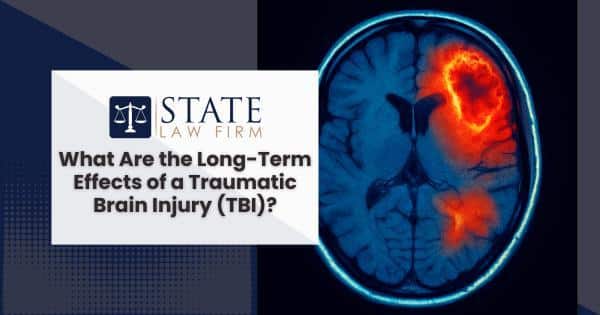
The long-term effects of a traumatic brain injury can include problems with memory, concentration, movement, sleep, communication, mood, or everyday independence. Some effects improve; others persist. The pattern depends on the injury and the individual, so a TBI diagnosis alone does not establish permanent disability or predict a particular recovery.
Medical evaluation should come first. If another person’s conduct caused the injury, a California claim also needs evidence connecting the incident to the person’s condition and documenting the resulting losses. A useful record explains what changed in daily life, not just the name of the diagnosis.
What is a traumatic brain injury?
A TBI is an injury affecting how the brain works after trauma such as a blow, jolt, or penetrating injury. It can occur in a vehicle collision, fall, or another incident. Clinicians assess the injury using the history, examination, and appropriate tests rather than a single symptom or a family member’s estimate of unconsciousness.
El FDA’s TBI guide explains that diagnosis and treatment depend on the injury. Do not use an online symptom checklist to diagnose TBI or rule out a serious condition.
Which effects can last after a brain injury?
El CDC describes several possible effects of moderate or severe TBI, including changes in thinking, coordination, sensory function, emotions, and behavior. A person may experience some of these problems without experiencing all of them, and their needs can change over time.
| Area | Changes to discuss with a clinician |
|---|---|
| Thinking and memory | Difficulty learning information, staying focused, organizing tasks, or remembering appointments. |
| Physical and sensory function | Problems with balance, coordination, strength, hearing, or vision. |
| Communication | Difficulty expressing thoughts or understanding information. |
| Mood and behavior | Irritability, anxiety, depression, impulsivity, or changes noticed by family. |
| Daily independence | New difficulty carrying out work, household tasks, or personal routines. |
Physical symptoms and sleep
Headaches, dizziness, fatigue, sleep changes, and sensitivity to light or noise can occur after a brain injury. Persistent or changing symptoms deserve follow-up rather than an assumption that they are an unavoidable part of recovery. The National Institute of Child Health and Human Development’s symptom guide describes the range of possible symptoms.
Tell the treating clinician how symptoms affect specific activities. For example, describe how long you can read before symptoms increase or whether dizziness occurs with particular movements. Be accurate about better days as well as difficult ones.
Cognitive and communication difficulties
A person may struggle to process information, plan a sequence of tasks, follow a conversation, or remember instructions. The NICHD overview of TBI effects also describes possible changes in reasoning, communication, senses, behavior, and emotions.
Practical examples can help explain the concern: missed steps in a familiar recipe, difficulty following a work meeting, or repeated confusion about a schedule. These observations are useful to report, but they do not replace clinical assessment or prove the cause on their own.
Emotional and relationship changes
Changes in mood or behavior can affect relationships and recovery. Family observations may be helpful when the injured person has trouble recognizing or describing changes. Avoid treating every disagreement or emotional symptom as proof of brain damage. Pain, sleep disruption, other health conditions, and the circumstances of the accident may also need assessment.
Ask the care team how to access appropriate mental health or rehabilitation support. Family members should also communicate their own support needs and limits instead of assuming they must manage every difficulty alone.
Are long-term TBI effects always permanent?
No. “Long-term” describes persistence, not a guaranteed lifelong outcome. Recovery can differ substantially between people, and a prognosis may become clearer as clinicians observe progress and response to treatment.
El CDC’s mild TBI guidance explains that concussion is a form of mild TBI and that a CT scan is not required to identify every concussion. A normal scan should not be used by a layperson to dismiss symptoms. At the same time, ongoing symptoms do not automatically prove permanent structural damage.
Research about later neurological disease describes risks across populations. It cannot establish that a particular injured person will develop dementia or another disease. An individual prognosis should come from qualified clinicians using the person’s history and findings.
When do symptoms require emergency care?
Call 911 or seek emergency care for danger signs after a head injury, such as a worsening headache that does not go away, repeated vomiting, seizures, increasing confusion, or difficulty waking. The CDC’s symptom and danger-sign guide provides additional warning signs. Do not wait for an insurance decision or legal consultation when urgent care is needed.
Treatment, rehabilitation, and returning to daily activities
Care may involve several disciplines depending on the person’s needs. Rehabilitation can address physical abilities, communication, cognitive skills, and everyday tasks. The appropriate services, pace, and goals should be determined with the treating team.
MedlinePlus describes TBI care and recovery, including individualized guidance about returning to activities. Ask for clear instructions about work, driving, exercise, and activities that risk another head injury. A return-to-work plan should reflect the actual job demands and medical recommendations.
- What symptoms should trigger an earlier appointment or urgent care?
- Which rehabilitation services are appropriate now?
- What restrictions apply, and when will they be reassessed?
- How should progress and persistent difficulties be recorded?
- Who coordinates recommendations when several providers are involved?
Choose treatment for health needs. A legal claim should not dictate unnecessary care or delay recommended treatment.
How long-term effects matter in a California injury claim
An injury claim requires more than showing that symptoms exist. The evidence must address responsibility for the incident, causation, and legally recoverable losses. Prior health conditions and earlier injuries may be relevant; report them accurately rather than omitting them.
Medical expenses and future care
Future medical costs need support for the care reasonably certain to be needed and its reasonable cost. The Judicial Council’s CACI 3903A addresses this damages category. A general statement that someone “might need care” is different from a supported plan identifying expected services.
For significant ongoing needs, the evidence may include treating recommendations and appropriate expert evaluation of services, frequency, duration, and costs. A spreadsheet alone does not establish medical necessity.
Lost earnings and earning capacity
Missed pay and reduced ability to earn are related but distinct issues. Preserve wage records, job duties, work restrictions, and information about attempted accommodations. CACI 3903C and 3903D address these categories. The analysis should reflect the person’s circumstances rather than assume that any TBI prevents future employment.
Daily limitations and noneconomic harm
A factual record can help explain changes in independence, activities, relationships, and enjoyment of life. Record assistance actually provided and tasks that have become difficult. Avoid exaggerated descriptions or copying a symptom list that does not match the person’s experience.
A useful documentation checklist
- Keep incident reports, witness details, and available photographs or video.
- Maintain a list of treating providers and preserve care recommendations.
- Record specific symptom changes and their dates without guessing at diagnoses.
- Retain work records, restrictions, and relevant accommodation communications.
- Document actual assistance with household or personal tasks.
- Keep insurance correspondence and review any proposed release before signing.
Do not assume ongoing treatment pauses a lawsuit deadline. California Courts’ limitations guide explains the general personal injury period and important exceptions. Government involvement and other circumstances can require earlier steps.
Frequently asked questions
Can a mild TBI cause persistent symptoms?
Yes. The word “mild” does not mean that every person’s symptoms resolve immediately. Persistent symptoms should be evaluated by a clinician.
Does a normal CT scan rule out concussion?
No. Concussion assessment is not based on CT findings alone. A clinician determines which examinations or tests are appropriate.
Can someone return to work while still receiving care?
Possibly. The decision depends on symptoms, job demands, safety, and medical recommendations. Restrictions or accommodations may be appropriate.
Does a TBI diagnosis establish a specific settlement value?
No. Liability, causation, documented losses, prognosis, coverage, and other case-specific issues affect the evaluation.
Can family observations help explain the changes?
Yes. Specific firsthand observations can provide context. Separate what the person actually observed from assumptions about the medical cause.
Discussing a lasting brain injury after an accident
State Law Firm can review the incident and available records when another party may be responsible. Our catastrophic injury information explains the broader issues raised by serious, lasting injuries. Bring treatment recommendations, work information, and insurance correspondence so the discussion can focus on the person’s actual needs.
General medical and California legal information. Medical diagnosis, treatment, and prognosis require evaluation by a qualified clinician.