English
  Spanish
A Local, Evidence-Based Review of a Clovis Crash
Clovis drivers regularly move between State Route 168, Shaw Avenue, Herndon Avenue, and Clovis Avenue. A crash in that network should be evaluated from the actual route, traffic movement, vehicle positions, and available records, not from generic city-swapped assumptions.
Trips between Clovis neighborhoods, Fresno, schools, shopping areas, and the freeway can place local and commuter traffic on the same routes. Our evaluation focuses on facts that can be supported: the collision sequence, responsible parties, available insurance, treatment records, time away from work, and other documented effects. The same checklist does not fit every crash.
From the Collision Location to a Usable Case Record
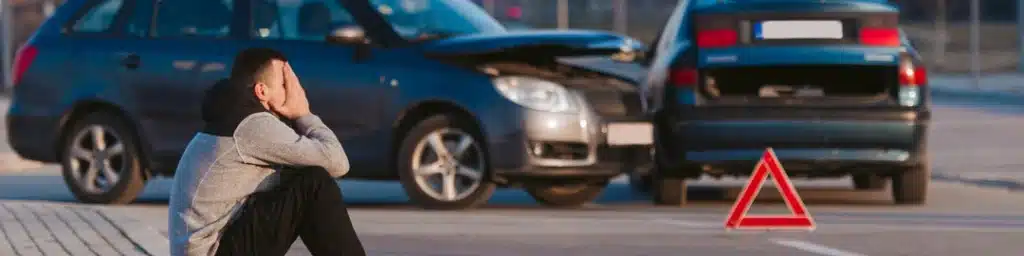
A rear impact in stop-and-go traffic creates different factual questions from a left-turn collision, sideswipe, pedestrian conflict, or multi-vehicle freeway event. Around State Route 168, Shaw Avenue, Herndon Avenue, and Clovis Avenue, the useful evidence depends on the movement being disputed, not simply the severity of the visible damage.
Wide arterial intersections and traffic entering or leaving SR-168 can make lane position, signal phase, and turning movement central evidence. A complete review also considers whether more than two parties, more than one policy, or a vehicle owner or employer may be relevant to the coverage analysis.
A Clovis-Specific Preservation Plan
The first map of a Clovis crash should mark the approach, point of impact, final vehicle positions, nearby driveways, traffic controls, camera locations, and where each witness stood. Matching that map to State Route 168, Shaw Avenue, Herndon Avenue, and Clovis Avenue can reveal whether additional photographs or measurements are needed before the area changes.
Wide arterial intersections and traffic entering or leaving SR-168 can make lane position, signal phase, and turning movement central evidence. Medical and collision timelines should be kept separate at first, then compared. This avoids using later treatment information to fill gaps in the scene evidence or using vehicle damage alone to characterize the full injury course.
Records Worth Preserving After the Collision
- Scene material: Original photographs and video, the exact location, travel direction, lane, traffic controls, lighting, weather, debris, and visible damage.
- Vehicle information: Driver and owner details, policy cards, plate and vehicle identification information, towing records, repair estimates, and available electronic data.
- Independent sources: Witness contact information, nearby camera locations, dispatch or incident identifiers, and names of businesses or agencies that may hold records.
- Medical chronology: Symptoms reported, provider names, appointments, restrictions, referrals, prescriptions, and changes in daily activity documented by date.
- Financial records: Bills, receipts, wage or schedule records, property-loss documents, and insurance communications kept in their original form.
Questions the Evidence Must Answer
Fault and insurance are related but separate questions. The evidence may support reviewing a driver, vehicle owner, employer, contractor, public entity, product issue, or another participant, depending on the facts. Insurance identification should include policy type, named insured, vehicle, exclusions raised, and the position taken by each carrier.
The injury portion of the file should show what was reported, when care began, how recommendations changed, and what limitations were documented. Property and income losses require their own supporting records. A consultation can identify missing material without assigning a guaranteed value.
Preparing for a Clovis Case Consultation
For a Clovis consultation, bring the collision exchange or report number, photographs and video in original format, insurance correspondence, medical-provider information, repair or total-loss documents, and any work-impact records. A simple date-by-date timeline is often more useful than a polished narrative.
Fresno County may be relevant to some local claims, although the correct court, agency, or claims process depends on who is involved. That determination should be made from the file, not solely from the crash address.
Turning the Available Records Into a Reviewable File
Once the records are collected, they should be indexed by date, source, and issue. For a Clovis collision, that means separating scene and roadway material from vehicle, insurance, medical, employment, and expense records. The index makes it easier to identify conflicts, missing periods, and records that require a focused request.
A responsible review also identifies facts that do not support the initial theory. The purpose is to understand the strengths, limits, and unresolved questions in the evidence. That allows advice to be based on the actual Clovis collision instead of a generic promise about compensation or case value.
Clovis Car Accident Questions
What if the drivers disagree about how the crash happened?
Conflicting accounts make preservation more important. Scene images, timestamps, damage patterns, neutral witnesses, camera locations, and available vehicle records can be compared before a liability position is accepted.
Should I keep communicating with the insurance company?
Keep every letter, email, text, estimate, and claim number. Before providing a recorded statement, signing a release, or accepting a final offer, consider obtaining advice based on the specific policy and file.
What can State Law Firm evaluate during a consultation?
The firm can review the known collision facts, available evidence, parties, insurance information, medical timeline, documented losses, unresolved questions, and possible next steps. A consultation is an evaluation, not a promise of recovery.
Request a free consultation about a Clovis car accident. Bring the records you have; the first review can identify what is missing and what should be preserved next.
Related legal resources: California car accident resources, Carlsbad Car Accident Lawyer, Concord Car Accident Lawyer, Car Accident Lawyers in Mission Viejo, CA: Local Help After a Crash, Downey Car Accident Lawyer, Lemon Law Lawyers for Defective Used Cars in Riverside, CA, E-Scooter Accident Attorney Stockton, Woodland Hills Pedestrian Accident Attorney, Bus Accident Lawyer Sherman Oaks, Free consultation.