English
  Spanish
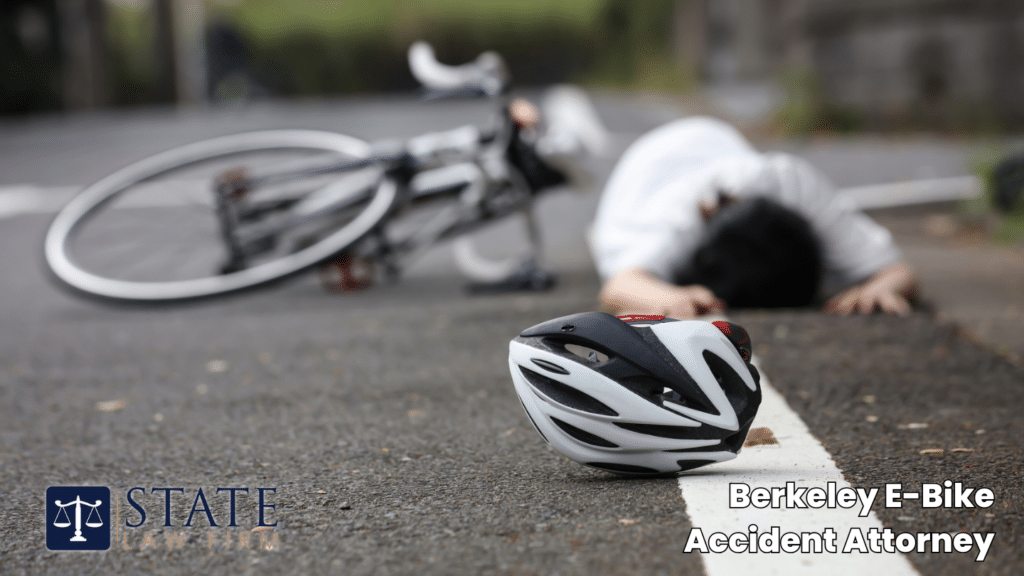
Electric bicycles (e-bikes) have become a common sight on the streets of Berkeley, providing an eco-friendly and efficient way to get around. Unfortunately, with the rise in e-bike usage comes a rise in e-bike accidents and injuries. If you’ve been hurt in an e-bike crash, you may be facing serious injuries, mounting medical bills, and confusing insurance issues. It’s crucial to understand your legal rights and options. In this comprehensive guide, we’ll cover everything you need to know – from common causes of e-bike accidents to California e-bike laws, what steps to take after a crash, and how an experienced attorney can help you pursue the compensation supported by the evidence and applicable law. Throughout, we’ll also provide helpful resources and internal links (with anchor text) to deepen your understanding of related topics.
Whether your accident was caused by a negligent driver, a road hazard, or a defective bike part, a knowledgeable Berkeley e-bike accident attorney can be your advocate in seeking justice. Let’s dive in.
Why E-Bike Accidents Are on the Rise in Berkeley
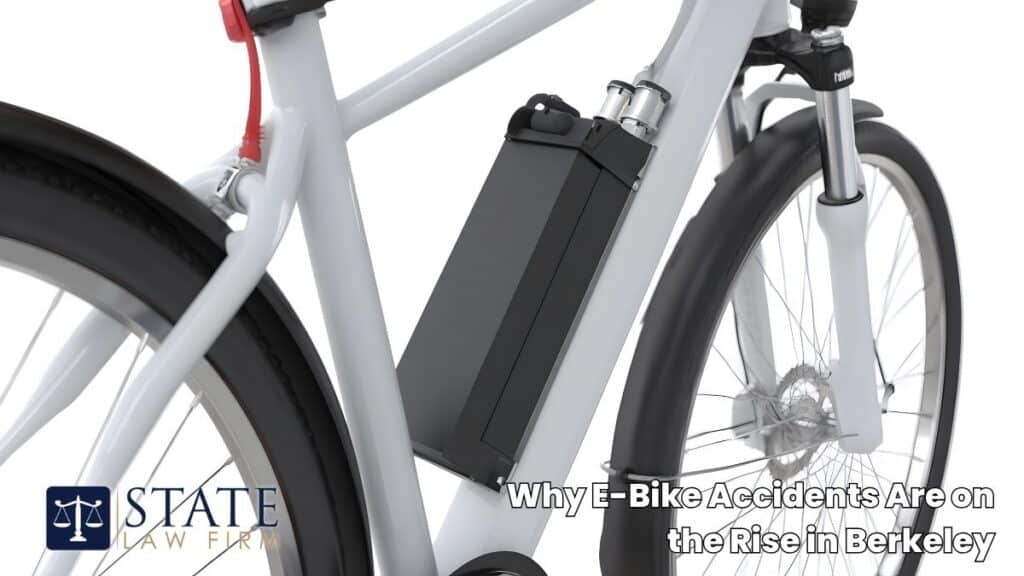
Berkeley’s bike-friendly culture and dense traffic mean more people are turning to e-bikes for commuting and recreation. E-bikes allow riders to travel faster and farther with less effort – but those same advantages can increase accident risk. In fact, California has seen significantly rising numbers of e-bike collisions in recent years as these bikes grow in popularity. Here are a few reasons why e-bike accidents are becoming more common:
- Higher Speeds: Many e-bikes can reach speeds of 20–28 mph. At these speeds, accidents can be as severe as motorcycle or car crashes. Drivers may underestimate an e-bike’s speed and fail to yield or misjudge distances, leading to collisions.
- Inexperienced Riders: Unlike motorcycles, e-bikes don’t require a license or formal training to operate. New riders might not be fully versed in traffic rules or safe riding techniques, increasing the chance of mistakes. A simple lapse – like running a stop sign or riding against traffic – can result in a serious accident.
- Traffic and Congestion: Berkeley’s busy streets mean e-bike riders must often share the road with cars, trucks, buses, and pedestrians. Heavy traffic creates more conflict points. For example, a distracted rideshare driver might swing open a car door or make a sudden turn without seeing an oncoming e-bike. (This type of “dooring” or turning accident is similar to other auto accidents involving bikes.)
- Lack of Infrastructure: While Berkeley has bike lanes, they may not be available on every route. E-bike riders sometimes must ride in regular traffic lanes. Poorly designed intersections or limited bike lanes can force unsafe interactions between e-bikes and vehicles. Road defects or debris in bike lanes can also cause riders to swerve into traffic (a potential premises liability issue if caused by poor road maintenance).
- Comparatively Quiet: E-bikes are nearly silent compared to motorcycles or cars. Pedestrians and drivers may not hear an e-bike approaching. This can lead to collisions, especially if a car is reversing or a pedestrian steps out unexpectedly.
As e-bikes become more common, awareness hasn’t caught up. Many drivers simply aren’t used to sharing the road with fast-moving bicycles. This learning curve contributes to accidents. Regardless of the cause, if you’re injured on an e-bike due to someone else’s negligence, you have the right to seek compensation through a personal injury claim. E-bike accidents fall under personal injury law just like car or bicycle accidents – meaning you should treat them seriously and consider consulting an attorney. (Visit our personal injury resource page to learn more about your rights in any injury case.)
Common Causes of E-Bike Accidents
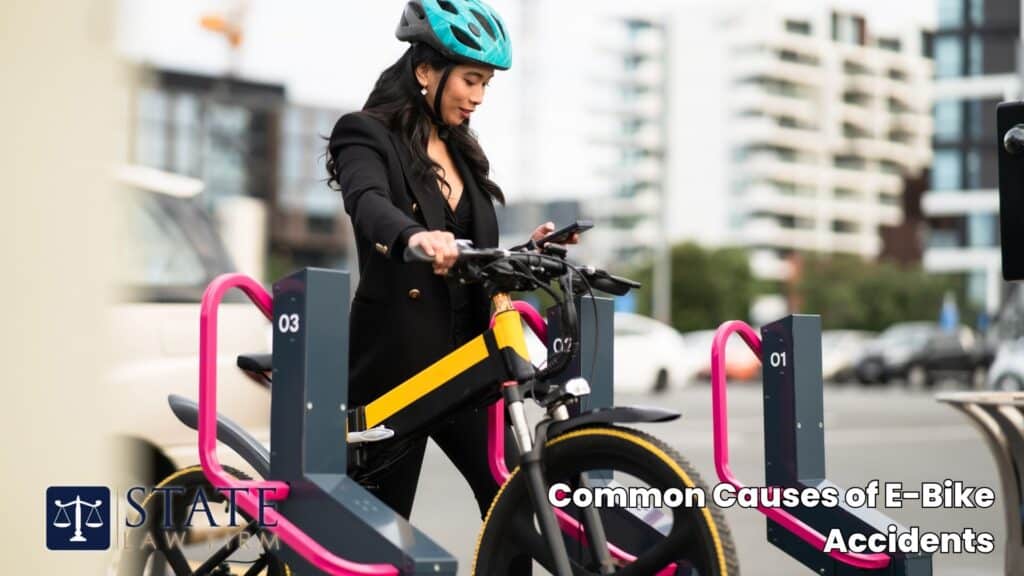
E-bike crashes can happen in many of the same ways as traditional bicycle accidents or motorcycle accidents, but there are some unique factors too. Understanding what caused your accident is key to determining who is liable. Here are some of the most common causes of e-bike accidents in Berkeley and beyond:
- Driver Negligence: The majority of serious e-bike collisions involve a motor vehicle. Common scenarios include a car driver making a left turn across the path of an oncoming e-bike, a right hook turn across a bike lane, or simply failing to see the cyclist in time. Distracted driving is a major culprit – for instance, a driver texting or talking on the phone may not notice an e-bike until it’s too late. (California’s phone laws prohibit handheld use while driving; see our guide on cell phone use while driving and liability for more on this.) Speeding, running red lights, or impaired driving by motorists are other forms of negligence that frequently lead to e-bike riders being hit.
- Dooring Accidents: A parked car’s door suddenly opening into the path of a cyclist can cause a brutal crash. E-bikes, traveling faster than normal bikes, give a rider even less time to react to a swinging door. Drivers and passengers have a duty to check for cyclists before opening doors, but not everyone does. These “dooring” incidents are unfortunately common in cities. The car occupant who opened the door can be held liable for the cyclist’s injuries as it’s a clear act of negligence.
- Road Hazards and Poor Conditions: E-bike wheels are relatively small and can easily be thrown off balance by potholes, uneven pavement, gravel, or debris on the road. Hitting a deep pothole at 20+ mph can send a rider flying. If the hazard was on a public road, the city or government agency responsible for maintenance could potentially be liable for failing to fix a known danger. (Pursuing a claim against a government entity involves special rules – see suing a government entity in California to understand sovereign immunity and claim deadlines for public agencies.)
- Mechanical Failures and Defective E-Bikes: Sometimes the e-bike itself causes the accident. For example, a manufacturing defect in the brakes, wheels, or electrical system could lead to a sudden failure. We’ve seen cases of throttles sticking, brake cables snapping, or even batteries catching fire mid-ride. If an equipment failure caused your crash or made your injuries worse, you could have a product liability claim against the manufacturer or retailer. Our firm’s defective product injury attorneys understand how to handle these complex cases. (Keep the bike in its post-accident condition as evidence – more on preserving evidence later.)
- Pedestrian or Cyclist Collisions: Not all e-bike accidents involve cars. You might collide with a pedestrian or another cyclist on a crowded path or sidewalk. In Berkeley’s busy downtown or campus areas, foot traffic and bike traffic often intersect. If a pedestrian suddenly steps into a bike lane, or if a regular bicycle and an e-bike are sharing space, crashes can occur. Fault in these cases will depend on who had right-of-way and who was acting carelessly. For example, an e-bike rider zipping through a crosswalk full of pedestrians could be deemed negligent, whereas a pedestrian jaywalking into the path of an oncoming e-bike might bear responsibility. (If you were a pedestrian hit by an e-bike, you may also have a claim – similar to any pedestrian accident case, liability hinges on negligence.)
- Weather and Visibility: Rain, fog, or nighttime conditions can increase accident risk. Wet roads reduce tire traction and braking ability, which might cause an e-bike to slide or take longer to stop. Low visibility means drivers are even less likely to notice a cyclist. Always use lights and reflectors at night (required by law) and ride cautiously in bad weather. However, if a driver was going too fast for conditions or not using headlights appropriately and hit you, they can still be found negligent despite the weather.
Bottom line: Most e-bike crashes ultimately trace back to someone’s negligence – often that of a motor vehicle driver, but sometimes another party. Identifying the exact cause of your accident will help your attorney figure out who should be held accountable. In some cases, multiple factors combine (for instance, a speeding driver hits a rider who was swerving to avoid a pothole – both the driver and the city’s poor road upkeep could be fault contributors). An experienced lawyer will investigate all angles to build a strong case on your behalf.
Common Injuries in E-Bike Accidents
Because e-bike riders have minimal protection, the injuries from a crash can be severe. In fact, e-bike accident injuries often resemble those seen in high-speed motorcycle accidents or serious bicycle crashes. Even when wearing a helmet, a cyclist’s body takes the full force of impact in a collision or fall. Some of the most common injuries we see in e-bike accident cases include:
- Head Injuries: Traumatic brain injuries (TBIs) and concussions are a major concern, especially if the rider wasn’t wearing a helmet (or even sometimes despite helmet use). A hard blow to the head can cause anything from a mild concussion to severe brain trauma with lifelong effects. Symptoms might not be immediately obvious, which is why prompt medical evaluation is critical after any impact to the head. (Learn more about the signs and legal implications of head injuries in our article on traumatic brain injury accidents and your legal rights.) In worst-case scenarios, a catastrophic brain injury from an e-bike accident could lead to permanent cognitive impairment or even wrongful death.
- Broken Bones and Orthopedic Injuries: Broken arms, wrists, collarbones, ribs, and legs are extremely common when a cyclist is thrown to the ground or strikes a car. E-bike riders often extend an arm to brace during a fall, leading to fractured wrists or forearms. Collarbones and shoulders can break on impact. Leg fractures can occur if the bike topples or if a car strikes the rider’s lower extremities. These injuries may require surgery, casting, and months of rehabilitation.
- Spinal Cord Injuries and Paralysis: A high-impact crash can damage the spine. If a rider is hit by a vehicle or lands awkwardly, they could suffer herniated discs, vertebral fractures, or even spinal cord damage. In extreme cases, this can lead to partial or complete paralysis (paraplegia or quadriplegia). Spinal injuries are life-altering and fall under the category of catastrophic injuries. Victims may face permanent disabilities, requiring ongoing care. (Our catastrophic injury team has experience securing compensation for long-term needs in such cases.)
- Road Rash and Skin Abrasions: When an e-bike rider is thrown from the bike, they often skid or slide across asphalt. This can result in road rash – painful scrapes that can remove skin down to the flesh. Severe road rash can lead to infections or scarring. Protective clothing can help, but many cyclists ride in normal attire that doesn’t prevent abrasions. (Motorcyclists often wear leather or armored gear to minimize road rash; e-bike riders generally don’t, so they’re more vulnerable. See our overview of road rash injuries to learn about the different degrees of severity.)
- Facial and Dental Injuries: Impact with the ground or another object can cause broken noses, facial fractures, eye injuries, or dental damage (chipped/cracked teeth). Hitting face-first can require reconstructive surgery or dental surgery. Even if a full brain injury is avoided, facial injuries are painful and can have cosmetic and functional consequences.
- Internal Injuries: The blunt force trauma of a crash can damage internal organs without any external wounds. Riders might sustain bruised or lacerated organs (such as the liver, spleen, or kidneys), internal bleeding, or collapsed lungs (from broken ribs puncturing lung tissue). These injuries are life-threatening and might not be immediately apparent at the scene. Always get a thorough medical check—internal injuries often only show up via scans and tests.
- Psychological Trauma: Not all injuries are physical. Being hit by a car or getting into a bad accident can be an extremely traumatic experience. Victims may suffer emotional distress, anxiety, PTSD, or flashbacks that make it difficult to ride or even drive again. Depression and psychological injury are compensable as pain and suffering damages. (For example, emotional distress after a crash can significantly impact quality of life and should be addressed in your claim.)
It’s important to seek medical attention immediately after an e-bike accident, even if you think you’re “okay.” Adrenaline can mask symptoms of injuries like concussions or internal bleeding. Prompt treatment not only protects your health but also creates documentation linking your injuries to the accident, which will be important evidence in a legal claim.
Remember, when pursuing a claim, you can seek compensation for all of these injuries – not just the immediately obvious ones. That includes the full scope of your physical injuries, mental anguish, and any long-term complications. We’ll discuss the types of compensation available later on.
California E-Bike Laws and Safety Requirements for Riders
E-bikes occupy a unique space in California law – they are not quite traditional bicycles, but they aren’t treated the same as motorcycles either. Knowing the rules that apply to e-bikes can not only help prevent accidents but also affect how liability is determined if a crash occurs. Here’s a quick rundown of California e-bike laws and safety requirements every rider (and driver) should know:
- E-Bike Classification: California classifies e-bikes into three categories based on their speed and operation:
- Class 1: Pedal-assist only (no throttle), with a motor that assists up to 20 mph. These are allowed wherever regular bicycles are allowed, including bike paths.
- Class 2: Throttle-assisted (you can use a throttle without pedaling), but the motor is limited to 20 mph. These are also generally permitted on bike paths, but local authorities can impose restrictions.
- Class 3: Pedal-assist with higher speed – motor assists up to 28 mph. These are the fastest e-bikes. Riders must be 16 or older, and helmets are required for all Class 3 e-bike riders (even adults). Class 3 e-bikes are prohibited from certain trails or paths unless explicitly allowed by local law.
- Class 1: Pedal-assist only (no throttle), with a motor that assists up to 20 mph. These are allowed wherever regular bicycles are allowed, including bike paths.
- No License or Registration Required: Unlike motor vehicles or motorcycles, you do not need a driver’s license, registration, or insurance to operate a low-speed e-bike (Classes 1-3) in California. E-bikes are treated similarly to bicycles in this regard. However, this also means if an e-bike rider is at fault in an accident, they might not have an auto insurance policy to cover liability – a factor that can complicate injury claims.
- Helmet Laws: For traditional bicycles, California law requires anyone under 18 to wear a helmet while riding (CVC 21212). Adults 18+ are not legally required to wear a helmet on a standard bike (though it’s strongly recommended for safety). For e-bikes, the rules are stricter: If you’re riding a Class 3 e-bike (28 mph capable), the law mandates helmet use for all ages. Class 1 and 2 e-bikes follow the same helmet rule as regular bikes (mandatory for minors, recommended for adults). We urge all e-bike riders to wear a helmet regardless of age or bike class – it’s the single most effective way to prevent fatal head injuries. (Read about California’s helmet requirements and how not wearing one could even affect an injury claim in our California bicycle helmet law guide.)
- Traffic Laws and Right-of-Way: E-bike riders must follow the same traffic laws as other vehicles on the road. This means stopping at red lights and stop signs, riding in the same direction as traffic, using bike lanes when available (in the direction of travel), and yielding to pedestrians in crosswalks. You cannot ride an e-bike on sidewalks in business districts or where local ordinances prohibit it (similar to bikes). Essentially, treat your e-bike as you would a car or regular bike in terms of obeying rules of the road. Violations (like running a red light) could not only lead to citations but also make you partially at fault in an accident.
- Prohibited Behavior: Certain things are illegal while operating any bicycle or e-bike in California:
- No Earbuds/Headphones in Both Ears: You cannot wear a headset or earbuds in both ears while riding (one ear is okay). This law (CVC 27400) exists so you can still hear traffic. Riding with music blasting in both ears could not only get you a ticket, but if an accident happens, it might be seen as negligence on your part. (Learn more about this in our discussion of using earbuds while driving or biking.)
- No Riding Under the Influence: It is illegal to ride a bicycle or e-bike under the influence of alcohol or drugs. California has a specific law for cycling under the influence (CVC 21200.5), and while it’s not exactly the same as a DUI for driving a car, it can still result in legal penalties and impact any accident claim. If you were hit by an impaired driver, that driver faces DUI charges; conversely, if you as the e-bike rider were impaired, it could hurt your case or even lead to your own citation. (For reference, yes – you can get a DUI on a bicycle. See our article on bicycling under the influence for details.)
- No Passengers on E-bikes (Unless Designed for Two): Most e-bikes are designed for a single rider. Carrying a second person on the handlebars or an improvised seat is dangerous and usually illegal unless the bike has a designated passenger seat and footrests. This is more of a safety issue – an overloaded e-bike is harder to control and more likely to crash.
- No Earbuds/Headphones in Both Ears: You cannot wear a headset or earbuds in both ears while riding (one ear is okay). This law (CVC 27400) exists so you can still hear traffic. Riding with music blasting in both ears could not only get you a ticket, but if an accident happens, it might be seen as negligence on your part. (Learn more about this in our discussion of using earbuds while driving or biking.)
- Local Regulations: Cities can impose their own rules on e-bikes. Berkeley, for example, might have specific ordinances about e-bike usage on certain trails, parks, or campus areas. Always stay updated on local laws – especially regarding where high-speed e-bikes (Class 3) can or cannot be ridden. Some jurisdictions require e-bikes to stay off pedestrian paths, while others treat them like bicycles. When in doubt, stick to bike lanes or roads and ride courteously.
Understanding these laws can help in two ways. First, safety – following the rules (like helmet use and traffic laws) reduces your risk of a crash or serious injury. Second, liability – if an accident happens, compliance or non-compliance with laws can influence fault. For instance, if a car hits you but you were riding against traffic or violating a law, the driver might argue you were partly to blame. This doesn’t bar you from recovery in California (which has pure comparative negligence), but it could reduce your compensation. On the flip side, if you were following all laws and the driver was clearly negligent, it strengthens your claim.
Safety Tips for E-Bike Riders
Beyond the legal requirements, here are some practical safety tips to help you avoid accidents and injuries on your e-bike:
- Wear Proper Gear: Always wear a helmet (we can’t stress this enough). Additionally, consider gloves and padding. While you might not dress in full motorcycle armor, even basic protective clothing (long sleeves, long pants) can reduce road rash. Eye protection (glasses or goggles) keeps debris or insects out of your eyes at high speeds.
- Be Visible: Increase your visibility to drivers. Use a bright white front light and a red rear light (required at night by law). Wear reflective clothing or add reflective tape to your bike. During the day, wearing bright colors can make you stand out. The more visible you are, the less likely a car will overlook you. Many accidents occur simply because the driver “didn’t see” the cyclist in time.
- Ride Defensively: Assume that drivers do not see you. Ride in a position where you are most visible (usually the center of a bike lane or rightmost part of a traffic lane). Be cautious at intersections – even when you have right of way, watch for turning vehicles that might cut you off. Keep a safe distance from parked cars to avoid dooring. Make eye contact with drivers when possible to confirm they see you.
- Mind Your Speed and Braking: E-bikes pick up speed quickly. Slow down in heavy traffic or on crowded multi-use paths. High speed is a factor in many solo e-bike crashes (like losing control on a turn). Also, practice braking – e-bikes are heavier and may take longer to stop, especially if only one brake is applied. Use both front and rear brakes smoothly to avoid flipping or skidding.
- Avoid Distractions: Just as drivers shouldn’t text, neither should e-bike riders. Stay off your phone while riding. Keep both hands on the handlebars (except when indicating turns with hand signals). And as mentioned, don’t block your hearing with loud music or earbuds in both ears – you need to hear horns, sirens, or shouts that could warn you of danger.
- Watch for Road Hazards: Pay attention to the road surface. Slow down for potholes, sewer grates, or any debris in your path. When crossing train tracks or other grooves, go perpendicular to avoid your wheel getting caught. If you need to maneuver around a hazard into a traffic lane, check behind you and signal if possible – sudden swerves cause many accidents.
- No Riding Side by Side in Traffic: If you’re riding with another cyclist, it’s safer (and often legally required) to ride single file when cars are around. Riding two abreast can frustrate drivers and lead to unsafe passing. Save side-by-side social riding for empty paths or wide bike lanes.
- Stay Sober and Alert: Never ride after drinking or using substances that impair you. Alcohol slows reaction time and balance – a recipe for disaster on a bike. Likewise, avoid riding when extremely tired or unwell. You need to be fully alert, as cycling (especially in traffic) requires quick reflexes.
Following these tips can significantly reduce your risk of being in an accident. However, even the most cautious e-bike rider cannot control the actions of drivers or eliminate all hazards. If despite your best efforts you end up in a crash, know that the law is on your side to seek recovery from the responsible parties. Next, we’ll discuss how fault and liability are determined in e-bike accidents.
Determining Liability: Who Is Responsible for an E-Bike Accident?
One of the most important roles of an e-bike accident attorney is to sort out who is liable (legally at fault) for the accident. Sometimes it’s straightforward – for example, a drunk driver runs a red light and hits a cyclist in a crosswalk. Other times, liability can be contested or shared among multiple parties. Here are the potential parties that might bear responsibility in an e-bike accident and how fault is determined:
- Negligent Drivers: In crashes involving a motor vehicle and an e-bike, the car driver is often at least partly at fault. If the driver violated a traffic law or was driving carelessly, they will likely bear liability. Common driver faults include speeding, failing to yield, running stop signs, distracted driving, and impaired driving. Evidence like police reports, witness statements, and any available video can help prove the driver’s negligence. California is a fault-based state for car accidents, meaning the at-fault driver (through their insurance) must pay for the damages. If you were hit by a driver who was on the job – say, an Amazon delivery van or a utility truck – the driver’s employer could also be vicariously liable for your injuries. (Employers are generally responsible for accidents their employees cause while working. Read more about vicarious liability and employer accountability in our legal insights.)
- Rideshare or Commercial Drivers: Special considerations apply if the vehicle that hit you was an Uber, Lyft, taxi, or other commercial vehicle. For instance, Uber/Lyft drivers have additional insurance coverage when carrying passengers or en route to pick up (up to $1 million liability coverage in California). If you were struck by a rideshare driver, you may be dealing with a claim against that larger policy – but it can be complicated to navigate whose insurance pays first (the driver’s personal policy may deny coverage if they were “driving for hire” at the time). Our firm has experience with these nuances; in fact, we have dedicated rideshare accident attorneys. (Check our guide on third-party liability in car accidents and rideshare cases for more details.) Likewise, if a commercial truck or bus hit you, those cases involve corporate insurers and potentially higher stakes – and thus you’ll want an attorney familiar with trucking laws.
- The E-Bike Rider (You): Sometimes, the injured e-bike rider may share some portion of fault. California follows a pure comparative negligence rule, meaning each party is liable for the percentage of damage equal to their percentage of fault. If you were riding against traffic, blew through a stop sign, didn’t have required lights at night, or otherwise did something negligent, expect the opposing insurance to argue you contributed to the crash. Don’t panic – even if you were partially at fault, you can still recover damages, just reduced by your fault percentage. For example, if you’re found 20% at fault, you could still recover 80% of your losses. Insurance companies often try to exaggerate a cyclist’s fault to pay less; a good attorney will fight those claims. (If an insurer is unfairly blaming you 50/50 without evidence, we know how to fight a 50/50 claim and prove liability in your favor.)
- Government or Property Owner: If a road defect or hazardous condition caused or contributed to the accident, the entity responsible for that property might be liable. For instance, imagine you’re riding in a bike lane and hit a huge pothole, causing you to be thrown into traffic where a car then hits you. The city’s negligence in maintaining the road could be a factor. Or if poor design of an intersection regularly causes collisions (e.g., confusing signage or signal issues), that could be a claim against the municipality. Suing a government entity in California involves filing a special claim notice typically within 6 months of the incident – much shorter than the normal statute of limitations. This is a complex area; if you suspect a road defect was involved, contact an attorney right away to preserve your rights. Similarly, if your crash happened on private property (say an e-bike tour on a privately owned trail, or you crashed due to a dangerous condition in a parking lot), the property owner or manager could be liable under premises liability law. Each situation is unique, but our team can analyze if a premises liability claim applies. (For related reading on property owner responsibilities, see our posts on slip and fall liability – different context, but the legal concept of owner negligence is similar.)
- Product Manufacturers or Bike Companies: If a mechanical failure or defective part on the e-bike led to the accident, the manufacturer, distributor, or bike shop could be liable under product liability law. These cases might involve proving a design defect (e.g., the brakes are inherently prone to failure), a manufacturing defect (a one-off flaw in your particular bike, like a cracked frame), or a failure to warn (inadequate instructions or safety warnings). Product liability doesn’t require proving negligence – you generally must show the product was defective and it caused the injury. For example, if your e-bike’s pedal-assist sensor malfunctioned causing an unexpected surge of power that threw you off the bike, that could be a product defect case. Our product liability attorneys can coordinate engineering experts to examine the bike and determine if a defect was present. Keep in mind, if you still have the damaged e-bike, do not repair or dispose of it – it’s critical evidence. (Destroying or losing key evidence could hurt your case; in legal terms, spoliation of evidence can even lead to sanctions. Read our article on preserving evidence in injury claims to understand why this is so important.)
- Other Cyclists or Pedestrians: If another cyclist’s recklessness caused your wreck (for instance, another bike swerved into you or caused a chain-reaction crash on a group ride), that cyclist could be held liable similar to a driver would. Pedestrians can also be at fault – e.g., a pedestrian jaywalks or steps into a bike lane without looking and you collide while trying to avoid them, resulting in your injury. These scenarios can be tricky because individuals often don’t have insurance that covers bike-pedestrian collisions (whereas drivers have auto insurance). Your own health insurance or uninsured motorist coverage (discussed below) might end up covering your bills if the at-fault party has no applicable insurance.
In many accidents, more than one party is at fault. For example, consider a scenario: a car passes a cyclist without giving enough clearance, and at the same time the cyclist veers left to avoid broken glass on the shoulder. The car clips the bike. Here, the driver failed to safely pass (their fault) but the cyclist also left the designated bike lane due to a hazard (arguably not the cyclist’s fault, but the hazard’s fault lies with whoever should have cleared it, maybe the city). It can become a mix of driver and possibly a third party’s fault (city). Determining liability might require accident reconstruction experts or traffic engineers, especially if serious injuries are involved and insurance companies are fighting over who pays.
Insurance Tip: What if the driver who hit you has no insurance or fled the scene (hit-and-run)? This is an unfortunate reality we see too often. In such cases, your own auto insurance can step in if you carry Uninsured/Underinsured Motorist (UM/UIM) coverage. Many people don’t realize it, but UM coverage on your car insurance typically covers you as a bicyclist or pedestrian if you’re struck by a motor vehicle. So, if you have a car insurance policy, and an uninsured driver injures you on your e-bike, you can make a UM claim with your own insurer to cover medical bills, lost wages, etc., up to your policy limits. It’s basically standing in for the at-fault driver’s missing insurance. (Check out our FAQ on what happens when someone doesn’t have insurance for more insight on uninsured scenarios.) If you don’t have auto insurance yourself, an experienced attorney can help explore other avenues – for example, if the at-fault driver was driving a company vehicle, maybe the company is on the hook, or if it was a hit-and-run, California has a Victim’s Compensation Fund for certain cases. The key is, don’t assume you have no options just because the driver was uninsured or unidentified.
In summary, identifying and proving liability in an e-bike accident can be complex. That’s why having a skilled attorney is so valuable – we will investigate the cause of the crash from every angle, gather evidence of fault, and make sure all responsible parties are brought into the claim. This might mean filing multiple insurance claims or lawsuits (for example, against a driver and a product manufacturer simultaneously). Our job is to cast a wide net and leave no stone unturned in securing justice for you.
What to Do After an E-Bike Accident
The moments and days after an accident can be overwhelming. You might be injured, in shock, and unsure of what steps to take. However, what you do (and don’t do) after an e-bike accident can significantly impact your health and your ability to recover compensation later. Here are the critical steps to follow if you are ever involved in an e-bike crash:
- Prioritize Safety and Call 911: Your immediate safety and health come first. If you’re able, move out of the roadway to avoid any further danger from traffic. Check yourself for injuries. Even if injuries seem minor, call 911 to report the accident and request medical assistance if needed. Many e-bike injuries (like head trauma or internal injuries) aren’t fully apparent in the moment, so it’s better to get evaluated. If you are seriously hurt and cannot move, ask someone to call for you. In any collision involving a motor vehicle or significant injuries, police should be called to the scene.
- Get Medical Attention Right Away: Allow paramedics to examine you at the scene. If they recommend going to the hospital, do it. Adrenaline can mask pain – you might feel “okay” and later discover you have a concussion or fracture. Early treatment not only improves your recovery prospects but also documents that the injuries were caused by the accident (a crucial point for any insurance claim). If you don’t go to the ER immediately, at least see a doctor as soon as possible, preferably the same day. Follow all medical advice and attend any follow-up appointments. Keep records of all diagnoses, treatments, and prescribed medications.
- Police Report: If the accident involved a motor vehicle or significant injury or property damage, insist on a police report. When officers arrive, tell them exactly what happened to the best of your recollection. Do not admit fault – even polite statements like “I’m sorry, I didn’t see you either” can be misconstrued in a report. Just state the facts of what occurred. The police will document the scene, talk to witnesses, and often determine an initial fault assessment in their report. This report will be important evidence for your claim. (For a deeper dive, see how to file a police accident report in California – including what to do if officers don’t come to the scene.)
- Exchange Information: Get the contact and insurance information of any other parties involved. For a car driver, this means their name, phone, address, driver’s license number, license plate, and auto insurance details. If the driver is in a work vehicle, also note the company name. If another cyclist or pedestrian was involved, get their contact info as well. Also gather contact info for any witnesses who saw what happened – independent witness statements can make or break a dispute on liability. If a bystander or driver who stopped can testify that the motorist was speeding or ran a red light, that’s golden evidence.
- Document the Scene: If you are able (or have a companion help), take photos and even video of the accident scene. Important things to capture include:
- Your e-bike and any damage to it.
- The vehicle involved and its damage (if a car, take pictures of the license plate, and the position of the car relative to the bike, etc.).
- The road or location where it happened, including skid marks, broken glass, potholes or hazards, road signs, traffic signals – anything that might have contributed to the crash.
- Your visible injuries (cuts, bruises, torn clothing, helmet damage). These may worsen or heal over time, so initial photos are useful.
- Weather or lighting conditions if relevant (e.g., if it was getting dark but the driver didn’t have lights on).
All this visual evidence can later support your version of events. It’s often true that a picture is worth a thousand words when negotiating with insurance adjusters or presenting to a jury.
- Your e-bike and any damage to it.
- Preserve Evidence: Do not throw away or fix anything. Keep your damaged e-bike, even if it’s in pieces. Do not attempt to repair it until the claim is resolved (and even then, check with your attorney). Also save your helmet (it may have impact marks), your clothing (don’t wash out the blood or dirt), and any other damaged gear. These items can serve as evidence of the force of impact and extent of damage. If your bike has an onboard computer or app that recorded data (speed, route) during the crash, save that data. Important: If you suspect a mechanical failure caused the accident, preserving the bike is absolutely critical for expert inspection. (The concept of spoliation of evidence means if you discard key evidence, it could hurt your case . Our advice: store the bike in a safe place and let your lawyer know so we can have an expert examine it if needed.)
- Avoid Admissions and Social Media: At the scene and afterward, be mindful of what you say. Don’t apologize for anything, as this can be interpreted as admitting fault. When speaking to the police or medical staff, stick to facts. You should also avoid posting about the accident on social media. Insurance companies do monitor claimants’ social media for anything to use against you. A seemingly innocent post like “I’m okay, just a bit banged up” could be twisted later to downplay your injuries. It’s best to stay off social media entirely or keep all privacy settings maxed out and don’t discuss the incident.
- Notify Insurance (If Applicable): If the accident involved a motor vehicle, you will likely be contacted by the driver’s insurance company. It’s usually wise not to give a recorded statement to the other party’s insurer until you’ve spoken with an attorney. You can report the basics of the incident to them or refer them to your attorney once hired. If you have auto insurance yourself (for a car you own), you should report the accident to your insurer as well, especially if there’s any chance you’ll be making an uninsured/underinsured motorist claim or a medical payments claim. Many auto policies have coverage that can apply to you as a bicyclist. If you have an umbrella insurance policy or specific cyclist insurance, notify those carriers too. Reporting to your own insurance (even if you weren’t driving) protects you in case the at-fault party later alleges you were partly at fault or if you need to use your coverage. When in doubt, consult your attorney on what to report.
- Consult an E-Bike Accident Attorney: This is a critical step. An experienced personal injury attorney can guide you through the process from day one. We recommend contacting a lawyer as soon as you’re medically stable, even before speaking to any insurance adjusters. Most reputable injury attorneys (including us) offer a free consultation, so it won’t cost you anything to get advice. Why so early? Because evidence can disappear quickly – skid marks fade, witnesses move on, and memories fog. A lawyer can act swiftly to preserve evidence, obtain traffic or security camera footage, and handle communications with insurance so you don’t accidentally say something that harms your case. They can also advise you on medical liens, vehicle repair, and all those headaches that come post-accident. Essentially, having legal counsel early lets you focus on healing while they focus on building your case. (We’ll dive deeper into how an attorney can help in the next section.)
- Keep a File and Journal: Start a file for all accident-related documents: police report, medical records, hospital bills, repair estimates, correspondence from insurance companies, etc. Also, consider keeping a personal journal of your recovery. Record daily or weekly notes about your pain levels, difficulties in daily activities, emotional state, and medical appointments. This journal can serve as evidence of your pain and suffering and how the injuries impact your life. For example, note if you couldn’t sleep due to pain, or you missed your child’s school event because of mobility issues, or how many days of work you miss. These details tend to fade from memory but are very powerful in demonstrating the human impact of your injuries.
By following these steps, you greatly strengthen your position should you decide to pursue a claim. It creates a solid foundation of evidence and ensures you’re doing everything possible to recover physically and financially. If you’re ever unsure about what to do, err on the side of caution and reach out to a legal professional for guidance.
One more thing: Hit-and-Run Accidents – if the driver who hit you fled the scene, try to get any identifying details immediately. This might include the license plate number (even a partial), the make/model/color of the car, or descriptions of the driver. Check if any surveillance cameras or nearby businesses might have caught footage of the incident. Police should investigate, but your own quick thinking can make a huge difference in catching the offender. In hit-and-run cases, notifying police and your insurance promptly is crucial. (For a detailed guide, see Legal Steps to Take After a Hit-and-Run Bicycle Accident – the advice for bicyclists applies to e-bikes as well.)
Seeking Compensation for Your Injuries and Losses
After an e-bike accident, once your immediate medical needs are addressed and you’ve taken the initial steps, your focus will turn to financial recovery. Medical bills add up fast, you might be missing work, and the bike itself may be ruined. You have the right to seek compensation (damages) from the at-fault party for all these losses. In a personal injury claim or lawsuit, damages are typically divided into two categories: economic damages (tangible financial losses) and non-economic damages (intangible losses like pain). Let’s break down what you can potentially recover:
- Medical Expenses: You are entitled to compensation for all medical bills related to the accident. This includes emergency room visits, hospital stays, surgeries, doctor appointments, medications, diagnostic tests (X-rays, MRIs), physical therapy, chiropractic care, and any specialist treatment. Don’t forget medical equipment (crutches, braces) or home modifications if needed (like installing a ramp if you’re wheelchair-bound). Importantly, you can also claim future medical costs if your injuries will require ongoing care. For instance, if your doctor states you’ll need a future surgery or years of therapy, those estimated costs should be factored into a settlement. We often work with medical experts to project the lifetime cost of care for serious injuries. The goal is to ensure you’re not paying a penny out-of-pocket for accident-related treatment, now or in the future.
- Lost Income and Earning Capacity: If your injuries caused you to miss work, you can recover the income you lost during recovery. This includes not just salary or hourly wages, but also lost commissions, bonuses, vacation or sick days you had to use, and self-employment income (substantiated by prior tax returns or invoices). If you’re still recovering and using unpaid leave, those lost wages accumulate until you can return to work. Beyond the immediate lost income, there’s loss of earning capacity: if your injuries permanently limit your ability to work or force you to take a lower-paying job, you should be compensated for that reduction in future earnings. For example, if an e-bike accident injury prevents a construction worker from doing physical labor ever again, the difference between their former earning potential and what they can do now is a significant damage element. We may bring in vocational experts or economists to quantify this in major cases.
- Property Damage: This covers the cost to repair or replace your e-bike and any other personal property damaged in the crash. If your $3,000 electric bike is a total loss, you should get its market value. Same for your helmet, which should be replaced after any impact, and any other gear (e.g., your phone if it was destroyed, your clothing if cut off by paramedics, etc.). Property damage is usually handled separately from personal injury in terms of insurance adjusters, but we ensure it’s not overlooked.
- Pain and Suffering: These are non-economic damages for the physical pain and emotional anguish you’ve endured. There’s no exact formula, but factors include the severity of the injury, the pain duration, and how it affects your daily life. A broken leg that heals in 8 weeks is different from a spinal injury causing chronic pain for years – the latter merits far more compensation for pain and suffering. Insurance companies often use multipliers or algorithms to value pain and suffering, but an attorney will fight for an amount that truly reflects your experience. Evidence like your medical records (showing pain complaints), your personal journal, and even testimony from friends/family about how you’ve suffered can support these damages. (For an idea of how such damages are assessed in California, see our guide on estimating pain and suffering.)
- Emotional Distress: Beyond physical pain, many accident victims suffer psychological injuries: PTSD, anxiety, depression, sleep disorders, fear of riding or driving, etc. Emotional distress is compensable. If you had to see a therapist or take medication for mental health due to the accident, those costs can be reimbursed, and you should receive additional compensation for the very real mental anguish. Sometimes this is folded into “pain and suffering,” but it can also be highlighted separately in severe cases (e.g., a cyclist develops a severe anxiety disorder and can no longer enjoy cycling or even being outdoors – that’s a significant loss).
- Loss of Enjoyment of Life: This is a subset of non-economic damages reflecting how the injuries have reduced your ability to enjoy the activities and life you had before. Maybe you can no longer cycle at all, or you had to give up a beloved hobby like running or playing an instrument because of injuries. Perhaps you can’t play with your kids as you used to. These are real losses, and while money can’t truly replace them, it’s the only compensation the civil system can offer. We make sure to humanize your case by explaining these personal losses.
- Scarring or Disfigurement: If the accident left you with visible scars, burns, or other disfigurement (for instance, road rash scars or facial injuries requiring reconstructive surgery), you should receive damages for the psychological impact of that disfigurement. This is especially considered if the scars are permanent and visible (face, arms, etc.) or if you needed cosmetic surgery. The law recognizes that scarring can be emotionally traumatic, affecting one’s self-esteem and social interactions.
- Loss of Consortium: If your injuries have affected your relationship with your spouse or family, your spouse may have a claim for loss of consortium. This refers to the loss of companionship, affection, and marital intimacy caused by your injuries. For example, if you are bedridden for months and unable to be a partner to your spouse in the same way, or if a permanent injury strains your relationship, these are compensable through a derivative claim. (We have more on this in our article about loss of consortium claims.) Generally, a spouse has to be the one to claim this, and it can be included in a settlement or lawsuit in addition to your own damages.
- Punitive Damages: In ordinary negligence cases (like a typical car vs. bike accident), punitive damages are not available. They are reserved for cases involving egregious misconduct – basically when the at-fault party’s actions go beyond negligence into willful, malicious, or extremely reckless behavior. For example, if a driver intentionally swerved into you out of road rage, or a drunk driver was extremely intoxicated and driving on a suspended license, those situations might justify punitive damages to punish and deter. Punitive damages are rare and come into play mostly if a case goes to trial (a jury could award them). While you shouldn’t count on punitive damages, we will identify if your case has any factors that could warrant them and pursue accordingly. (Read more on what qualifies for punitive damages in our California punitive damages guide.)
- Wrongful Death: If a loved one was killed in an e-bike accident, immediate family members (through a wrongful death claim) can seek compensation for their losses. Wrongful death damages include funeral and burial expenses, loss of financial support, and the loss of love, companionship, and guidance that the deceased provided. While this is beyond the scope of a personal injury case (it becomes its own type of case when a fatality occurs), it’s worth noting. We handle wrongful death cases with care and compassion – no amount of money replaces a life, but holding the negligent party accountable can provide justice and financial security for the family. (See our resource on wrongful death claims in California if you unfortunately need this information.)
In calculating the value of your claim, an experienced attorney will gather all relevant documentation – medical bills, proof of income loss, expert opinions on future needs – and craft a demand that fully encapsulates your damages. Often, people are surprised at some things they can claim. For instance, if a friend has to drive you to appointments, the mileage can be compensated. Or if you paid someone to do housework you normally would do while you were injured (cleaning, lawn care), that can be included. We take a comprehensive approach: anything that you had to spend or any negative effect on your life due to the accident has a place in the negotiations.
Insurance companies, on the other hand, will often try to minimize your payout. They might dispute medical treatments as unnecessary, or argue your pain isn’t as bad as you claim, or that you were partially at fault (as discussed earlier). They often start with a lowball offer, hoping you’ll take a quick check and close the case. That’s why having an attorney is crucial – we know their tactics and how to counter them with solid evidence and legal arguments. If the insurer won’t be fair, we are prepared to file a lawsuit and take the case toward trial to get you what you deserve.
It’s important to note that most personal injury cases settle out of court, often without needing a lawsuit at all. Our job is to present a compelling case to the insurance company that paying a fair settlement now is in their best interest, because we are ready to fight and win in court if they don’t. Sometimes just the presence of an aggressive, prepared attorney can make insurers up their offer significantly.
Be cautious of quick settlement offers. Soon after your accident, you might be contacted by the at-fault driver’s insurance adjuster who offers a fast settlement, maybe even before you’re done treating. These offers are usually far below what the case is worth, especially if you end up needing additional medical care. Once you settle and sign a release, you generally cannot go back for more if your injuries turn out to be worse than thought. This is why we advise not to rush – make sure you either reach maximum medical improvement (i.e., you know the full extent of your injuries and recovery prospects) or have a clear projection of future medical needs before settling. We often work with your doctors to get reports on whether you’ll have any permanent impairment or future treatment.
Lastly, California has a statute of limitations that sets a deadline for filing a personal injury lawsuit. In California, for an accident injury, you typically have 2 years from the date of the accident to either settle your claim or file a lawsuit. (If you’re making a claim against a government entity, as mentioned, you must file a special claim within 6 months.) Don’t let these deadlines slip by. If the statute of limitations passes and you haven’t acted, you could lose your rights to recover anything, no matter how valid your case. (For more, here’s our explainer on the personal injury statute of limitations in California.) When you hire an attorney, we track these deadlines and ensure everything is filed timely.
Why You Need an Experienced E-Bike Accident Attorney
You might wonder, “Do I really need a lawyer for this? Can’t I just handle the insurance claim myself?” While it’s possible to go it alone in a very minor incident (like a low-speed bike fall with no injuries, or a minor scrape where bills are small), in most e-bike accident cases the stakes are high enough that having an attorney will significantly benefit you. Here’s why working with an experienced e-bike or bicycle accident attorney – essentially a seasoned personal injury attorney – is so important:
- Legal Expertise and Guidance: Personal injury law is complex, and e-bike accidents can involve nuances of traffic law, product liability, and insurance coverage that most people aren’t familiar with. As attorneys with decades of experience in injury cases, we know the laws and how to apply them. We’ll advise you on your rights, what kind of compensation to expect, and the best strategy to get it. This includes explaining comparative fault (if it’s an issue), dealing with liens from health insurers or hospitals, and ensuring you don’t miss any potential sources of recovery. You’ll have a legal expert in your corner to answer questions and handle the heavy lifting.
- Investigation and Evidence Gathering: We have the resources to fully investigate your accident. This can mean visiting the scene, taking measurements or drone footage, obtaining traffic camera or surveillance footage (there are often city cameras or business CCTVs that might have caught the incident – but they overwrite quickly, so we act fast to save that footage for you ), and tracking down witnesses. We can subpoena cell phone records if we suspect the driver was on their phone, or obtain the vehicle’s event data recorder (black box) if speed or braking is in question. We also gather all your medical records and consult with your doctors to document your injuries thoroughly. A well-documented case is key to a successful outcome, and we know exactly what evidence is needed to prove liability and damages.
- Dealing with Insurance Companies: Insurance adjusters handle claims for a living – they are trained to protect the insurance company’s bottom line. They might sound friendly, but their goal is to pay you as little as possible. When you have an attorney, the insurance company is generally required to communicate through us, not directly with you. This means no more harassing phone calls or pressure to give statements or accept quick offers. We handle all communications, present the evidence in a compelling way, and negotiate aggressively for a fair settlement. We’re also adept at countering the common tactics adjusters use, such as disputing medical treatment or suggesting you were partly at fault. Simply put, we level the playing field – instead of you versus a billion-dollar insurance company, it’s our team (with legal knowledge and negotiation experience) versus the insurance company.
- Evaluating available compensation: Perhaps the most tangible benefit of hiring a lawyer is that we work to maximize the value of your claim. Studies have shown that injury victims with legal representation recover significantly more on average than those without – even after accounting for attorney fees. We know how to calculate a fair value for not just your economic losses but also your pain and suffering. We won’t let the insurer get away with lowballing future medical costs or undervaluing your non-economic damages. For example, if you suffer a seemingly “whiplash” type injury, an adjuster might shrug it off as minor soft tissue – but we know soft tissue injuries can cause chronic pain, so we’d gather medical opinions and maybe even narratives from friends/family to show how this injury diminished your life, thereby demanding appropriate compensation. Every case is unique, but our goal is to get you every dollar you are entitled to under the law.
- Handling the Paperwork and Legal Process: Personal injury claims generate a ton of paperwork – insurance forms, medical liens, legal filings, settlement agreements, etc. If a lawsuit is needed, there are strict procedures and deadlines to follow (filing complaints, discovery requests, court motions, etc.). We take care of all the procedural requirements so you don’t have to worry about making a mistake that could derail your claim. This includes filing the lawsuit within the statute of limitations, responding to any legal motions from the defense, and guiding you through the litigation process.
- Access to Experts: We maintain relationships with various experts who can be critical in proving your case. These might include accident reconstructionists (to recreate how the collision occurred, especially if liability is disputed), biomechanical engineers (to explain how the forces of impact caused your injuries), medical specialists (to provide second opinions or independent medical examinations), economists (to calculate future lost earnings), and life care planners (to outline future medical needs and costs for serious injuries). Having the right expert testify or provide a report can neutralize an insurance company’s attempts to downplay your injuries or shift blame. Hiring these experts can be expensive, but we advance those costs and only recover them if we win, so you don’t pay out of pocket.
- Negotiation and Settlement Skills: Negotiating with an insurance company is an art and science that we’ve honed over many years. We know what arguments resonate with adjusters and defense attorneys. We will present a strong demand package with evidence and legal precedent, and we’re not afraid to stand firm. Often, cases go through multiple rounds of offers and counter-offers. We’ll advise you on each offer’s fairness. Our priority is to get you a fair settlement without unnecessary delay, but we will not recommend settling for less than your case is worth. If the insurer sees that we are fully prepared to go to trial (and have the evidence to back it up), they are much more likely to put a respectable number on the table.
- Trial Experience (When Needed): While many cases settle, some do end up in litigation and even go to trial if the insurer refuses to be reasonable. In such an event, you want a seasoned trial lawyer on your side. Our firm’s attorneys are experienced in the courtroom – presenting arguments to judges and juries, cross-examining witnesses, and making compelling cases for our clients. We prepare every case from day one as if it will go to trial. This thorough preparation serves two purposes: it positions you to win at trial if necessary, and it often forces the other side to settle rather than face us in court. Essentially, we call their bluff – and if it’s not a bluff, we are ready to win in front of a jury. Many law firms shy away from trials or have little trial experience; we take pride in being true litigators when required.
- Contingency Fee – No Upfront Cost: Our firm (like most personal injury firms) works on a contingency fee basis. This means you pay nothing upfront and no hourly fees. We only get paid if we win your case (usually a percentage of the settlement or judgment). If we don’t recover money for you, you owe us nothing for our services. This arrangement allows anyone, regardless of financial status, to afford top-quality legal representation. It also aligns our interests – we are motivated to get you the maximum compensation because our fee is directly tied to your recovery. You can hire us without worrying about out-of-pocket legal bills while you’re already dealing with medical bills. Essentially, we shoulder the financial risk of the case.
- Support and Peace of Mind: Beyond the tangible legal work, having an attorney provides peace of mind. You don’t have to stress about saying the wrong thing to an adjuster or missing a critical deadline. You can focus on healing while we focus on the case. We also provide guidance on practical issues: dealing with vehicle repairs, getting a rental (if a car was involved), finding doctors if you need referrals, etc. We often help clients navigate how to get their medical bills paid in the interim (through Med-Pay, health insurance, or letters of protection with providers). Knowing that a professional is handling the legal side can relieve a huge burden during an already difficult time.
In summary, hiring an experienced personal injury attorney is an investment in your case that almost always pays off significantly. We like to say: you handle getting better, we’ll handle everything else. And at the end of the process, our aim is that you walk away not only fully healed (to the extent possible) but also with a financial recovery that covers your losses and acknowledges your suffering.
If you’re worried about cost – remember, the consultation is free and there are no fees unless we win. So it’s worth at least discussing your case with us. We’ll give you an honest assessment. If we think you can settle it on your own, we’ll tell you that too. But if we take on your case, it means we genuinely believe we can add value and improve the outcome for you.
How State Law Firm Can Help with Your E-Bike Accident Case
Choosing the right attorney can make all the difference. At State Law Firm, we’re not just experienced personal injury lawyers – we’re also passionate advocates for cyclist safety and rights. Our team has successfully handled numerous bicycle and e-bike accident cases across California, and we understand the unique challenges these cases present. Here’s why you might consider our firm as your ally:
- Decades of Combined Experience: With over 25 years (and counting) of combined legal experience in personal injury law, we’ve seen it all. Our attorneys have helped injured clients in all types of accidents – from car and motorcycle crashes to complex product liability cases and everything in between. We know the ins-and-outs of California injury law, and we stay updated on the latest changes and precedents. When you hire us, you get a seasoned team that knows how to build a winning case strategy tailored to your situation.
- Proven Track Record of Success: We pride ourselves on a strong history of results. Our case results include substantial settlements and verdicts for injured cyclists and pedestrians. For instance, we’ve recovered six- and seven-figure compensation in cases where motorists initially denied fault but evidence and our advocacy proved otherwise. While every case is different (and we never guarantee a specific outcome), our success stories and client testimonials speak to our dedication. (Feel free to see some of our case studies for examples of how we’ve helped clients in challenging cases.)
- Client-Centered Approach: At State Law Firm, clients come first. We know how disruptive and painful an accident can be, so our goal is to make the legal process as smooth as possible for you. That means clear communication, compassionate service, and honest advice. You’ll have direct access to your attorney and our support staff for any questions or concerns. We keep you informed about your case’s progress every step of the way. And we truly care – we treat our clients like family, not case numbers. Many of our past clients stay in touch long after their case is resolved, which we consider the ultimate compliment.
- Comprehensive Resources: As a full-service personal injury firm, we have the resources needed to take on powerful insurance companies. From the latest accident reconstruction technology to a network of top medical and engineering experts, we invest in the tools and professionals that give your case an edge. Our attorneys are adept at using evidence like video footage, 911 call recordings, and digital data to strengthen claims. For e-bike cases, we can even consult specialized bicycle mechanics or industry experts if needed to understand any bike-related issues. We prepare every case thoroughly, as if it will go to trial, which often positions us to negotiate very favorable settlements.
- Statewide Representation: Although this article focuses on Berkeley, our firm handles cases throughout California. We have offices in Los Angeles (Sherman Oaks) and San Diego, and we routinely represent clients in Northern California as well. Whether your accident happened in Berkeley, Oakland, San Francisco, or anywhere else in the state, we can assist. We’re familiar with local regulations and road conditions in different cities and have a network of local contacts. If needed, we can travel to you, or handle many aspects of the case remotely – whatever is most convenient for you. Our goal is to make high-quality legal representation accessible wherever you are in California. (For example, we have dedicated teams for various regions: our Sherman Oaks car accident lawyers serve the Los Angeles area, and we even have resources for the Bay Area and Central Valley, such as our Stockton personal injury attorneys. No matter where you are, we’ll bring our A-game to your case.)
- Special Insight into Cycling Cases: Not every personal injury lawyer understands cycling. Our firm does. We know the common biases (like the assumption cyclists are reckless – which we fight against with facts). We know how to read police reports critically – sometimes officers unfamiliar with cycling might misinterpret evidence, and we can set the record straight. If needed, we can download data from fitness apps or devices (Garmin, Strava, etc.) that some cyclists use, to show your exact path and speed, backing your version of events. We’re also aware of technology like GoPro cameras that many riders use; if you had one recording, we can use that footage. In essence, we speak the language of cycling and can convey to a jury or adjuster exactly how the accident happened and why the cyclist was not at fault.
- Holistic Support: Beyond the legal case, we aim to support our clients in their overall recovery. We can refer you to trusted medical providers, including specialists like orthopedists, neurologists, or physical therapists, if you need additional care. If you’re worried about medical bills, we negotiate with hospitals and doctors to hold off on collections while your case is pending (using what’s called a letter of protection or by coordinating with your health insurance). If you’re having trouble with your bike repair or replacement, we can assist with the property damage claim at no extra fee. Basically, if it’s related to your accident, we’re here to help or point you to someone who can.
- Free Consultation and No Fee Unless We Win: We offer a free initial consultation to evaluate your case. We’ll listen to what happened, ask questions, and give you a straightforward assessment of your options. There’s no obligation to hire us afterward. And as mentioned, if you do hire us, you pay nothing upfront – no legal fees unless and until we recover money for you. We work on contingency because we believe every injured person deserves quality representation regardless of their financial situation. This arrangement also gives you confidence that we’re fighting to get you the best result, because our compensation depends on it too.
At the end of the day, our mission is simple: to help accident victims get justice and fair compensation so they can move forward with their lives. We handle the battles with insurance companies and at-fault parties, so you can focus on healing and getting back to what you love.
If you or a loved one has been injured in an e-bike accident in Berkeley or anywhere in California, don’t hesitate to reach out. We’re ready to put our experience to work for you.
Contact Us for a Free Consultation
E-bike accidents can be traumatic and confusing experiences, but you don’t have to navigate the aftermath alone. The attorneys at State Law Firm are here to answer your questions, protect your rights, and pursue the compensation you need to rebuild your life. We genuinely care about our clients and we’re passionate about holding negligent drivers and other parties accountable.
Time is of the essence in injury cases – the sooner you get legal help, the better we can preserve evidence and build a strong claim. So, let us help you turn a bad situation around.
Contact us today for a free, no-obligation consultation. We’ll review the details of your e-bike accident, advise you on your legal options, and outline the next steps. If you choose to hire us, remember: you pay no fee unless we win. That’s our commitment to you.
Your road to recovery – physically, emotionally, and financially – is important to us. Let our experienced Berkeley e-bike accident attorneys fight for the justice and compensation supported by the evidence and applicable law.
Don’t let an insurance company minimize your claim or blame you unfairly. Get a seasoned advocate on your side. Call us at (877) 659-9223 or fill out our quick contact form on our website to schedule your free consultation. We’re available to help and answer your questions 24/7.
Stay safe, and know that if the worst happens, State Law Firm has your back. We’ve helped countless injury victims across California, and we’re ready to help you too.
Your recovery is our priority – legally, financially, and personally. Let’s get you back on the path to wellness and ensure you’re compensated for every harm you’ve suffered.
Reach out today, and let’s start seeking justice for you.
Related legal resources: Bicycle and micromobility resources, E-Scooter Accident Attorney Stockton, Bicycle Accident Lawyers in Torrance, CA, Free consultation.