English
  Spanish
State Law Firm | Anaheim, California
Anaheim Pedestrian Accident Lawyer
A pedestrian collision can disrupt your mobility, work, and daily life. State Law Firm helps injured people in Anaheim review crossing evidence, insurance questions, and the next steps in an injury claim.
Free initial consultation
Pedestrian injury claims
Crossing and insurance review
Serving Anaheim from Sherman Oaks
Start with the collision date, exact crossing or driveway location, responding agency, and any incident number. You do not need a completed police report to request a consultation. Prioritize safety and medical care, preserve information you already have, and ask promptly about footage and filing deadlines.
Help After a Pedestrian Collision in Anaheim
Being struck while walking can interrupt far more than a trip across the street. Treatment, difficulty getting around, missed work, and calls from an insurer can leave you trying to manage several problems at once. State Law Firm helps injured pedestrians understand which records matter, what responsibility is disputed, and what questions to ask before making decisions about a claim.
Whether you live in Anaheim or were visiting when the collision happened, you can start with the information you already have. You do not need a completed police report or every medical bill to request a consultation. Call (877) 659-9223 or request a free consultation. For broader information, visit our pedestrian accident practice.
Anaheim Crossings, Driveways, and Walking Routes
A collision near Harbor Boulevard and Katella Avenue needs more precise location information than simply saying it happened near the Resort Area. Identify the intersection corner, direction you were walking, and whether the contact occurred in a street crossing, across a business driveway, or within a parking or drop-off area. Those details help separate the pedestrian route from the vehicle’s path.
The City’s Anaheim Resort Mobility Study pedestrian chapter discusses walking connections along Harbor Boulevard, Katella Avenue, and Convention Center routes, including conflicts involving turning traffic and driveways. It provides planning context, not a current crash ranking or proof of fault in an individual case. Conditions at the actual location and time still need to be documented.
Four Crossing Details Worth Recording
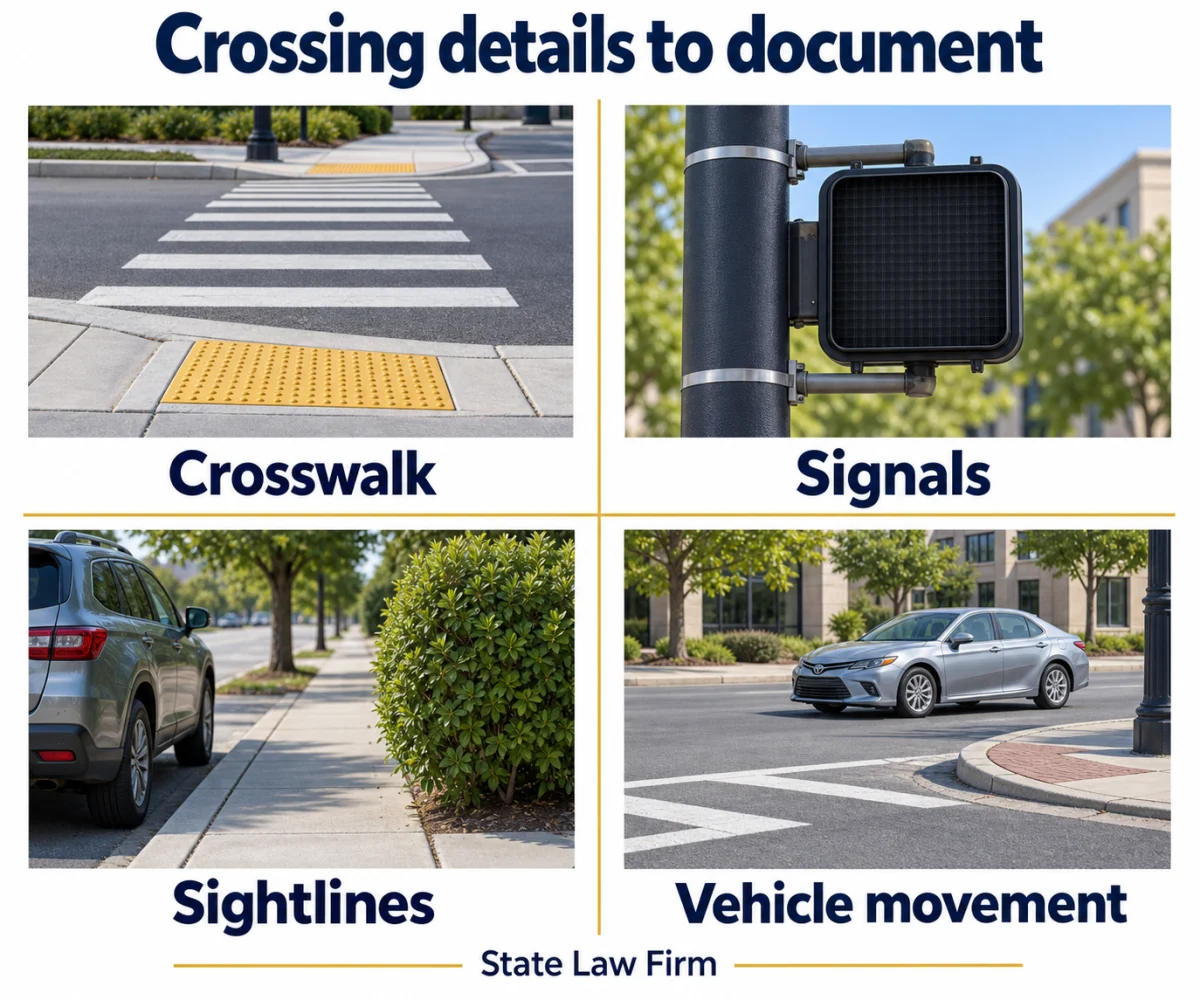
Seek medical help and get to safety first. Do not enter traffic or return to a dangerous location to collect evidence. If details can be recorded safely, or a trusted person can help afterward, organize them into these four categories:
- Crosswalk: The exact crossing, curb ramp, lane markings, and point of impact. A nearby business address or intersection photograph can help distinguish similar corners.
- Signals: What you actually saw when you started crossing and when the collision occurred. Separate your recollection from something another person later told you.
- Sightlines: Lighting, parked vehicles, landscaping, construction, or other conditions that may have affected visibility. Keep the date and time with photographs taken later.
- Vehicle movement: Whether the vehicle was turning, traveling straight, backing, or entering or leaving a driveway. Note its direction, plate, and any available driver information without guessing speed or distance.
Tell the attorney what is uncertain. A sketch can organize your memory, but it is not a substitute for measurements, footage, or witness accounts. Our crosswalk collision resource explains how crossing evidence relates to a negligence investigation.
Right of Way Requires More Than a Crosswalk Photo
California Vehicle Code section 21950 generally requires drivers to yield to pedestrians within marked crosswalks and unmarked crosswalks at intersections, subject to applicable exceptions. It also requires care from pedestrians and drivers. A pedestrian must not suddenly enter the path of a vehicle so close that it presents an immediate hazard; that does not erase a driver’s separate duty of care.
Signal instructions, the crossing location, visibility, and each person’s actions all matter. The absence of painted stripes does not by itself establish that there was no crosswalk. An insurer’s assertion that a pedestrian was at fault should be compared with the available evidence, not treated as the final answer.
California’s comparative-fault framework can reduce damages by the injured person’s share of responsibility. See California civil jury instruction CACI 405 and our pedestrian comparative-fault guide. Whether that framework affects your claim requires an assessment of the facts and applicable law.
Keep the Records That Connect the Collision to Your Losses
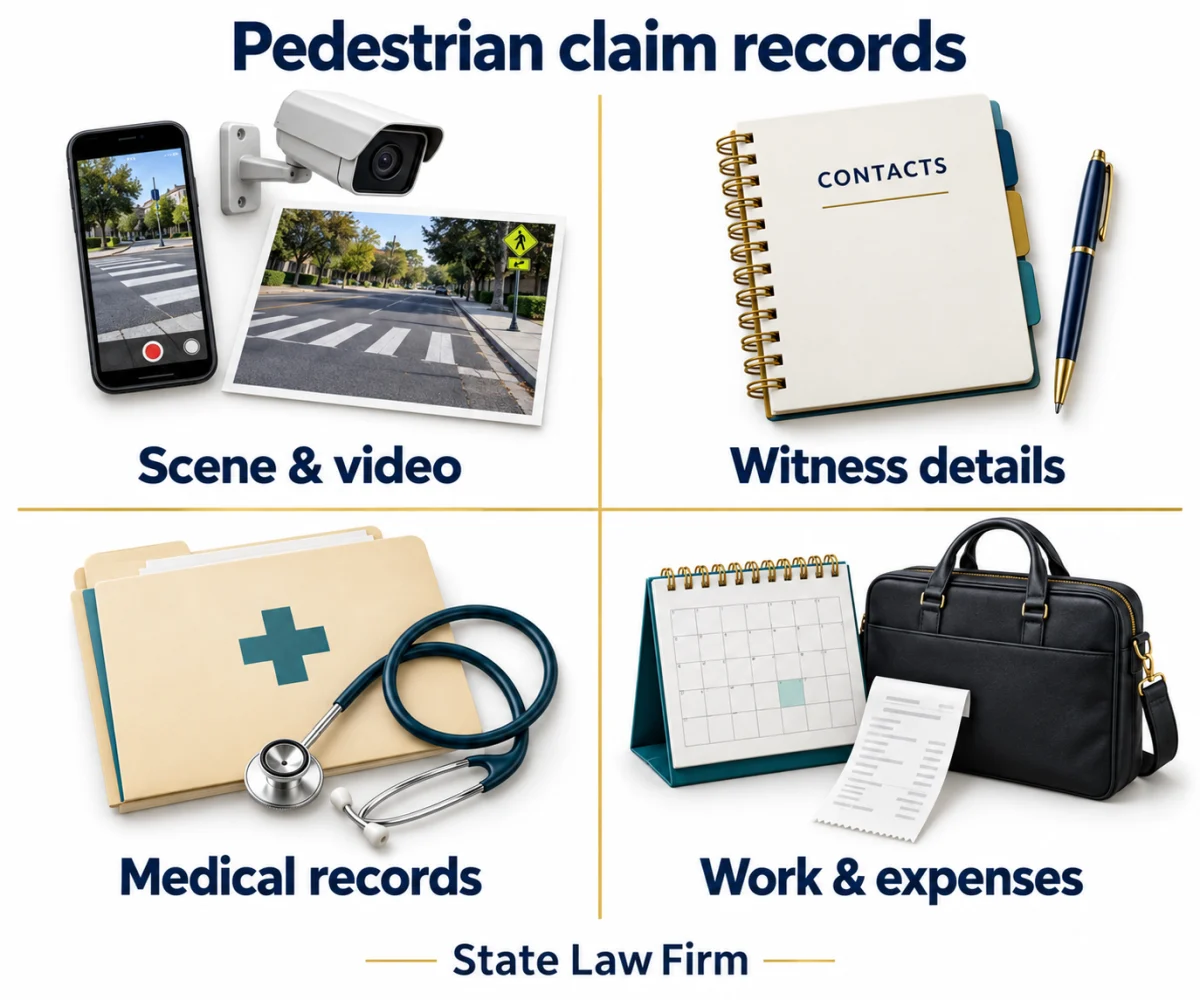
A useful claim file includes both what happened at the scene and how the injury affected daily life. Preserve original files rather than only screenshots or edited versions. Let the team know about possible nearby cameras promptly; footage may not exist or remain available.
- Scene and video: Photographs, original recordings, the collision time, incident number, and names of businesses that may have relevant cameras. Identify possible footage without assuming a camera recorded or retained it.
- Witness details: Names, contact information, and where each person was standing. Keep their account separate from your own recollection.
- Medical records: Provider names, visit dates, bills, treatment recommendations, and follow-up instructions. Include care received after returning home if you were visiting Anaheim.
- Work and expenses: Missed shifts, employer records, transportation receipts, and a factual record of activity limitations. Future losses need supporting evidence, not estimates based on another person’s case.
Ask about a secure way to share records; an initial website inquiry does not need your full medical history. Our camera-evidence guide discusses questions about footage, while our crosswalk visibility resource addresses parking and sightline issues.
Requesting an Anaheim Collision Report
If Anaheim Police handled the incident, start with the department’s official report-request page. It lists authorized requesters and provides a separate link for non-fatal traffic collision reports. Check the current eligibility and request requirements rather than assuming every report is immediately available online.
Keep the incident number, date, location, and responding agency’s name. If another agency investigated, request its records through that agency. Ordering a report is different from reporting an incident, opening an insurance claim, or starting a lawsuit. You can discuss the matter with the firm while a report request is pending.
Insurance Questions and Filing Deadlines
Keep letters from insurers, claim numbers, any proposed release, and information identifying the vehicle and driver. If the driver left or may be uninsured, ask which coverage options should be investigated. Coverage depends on the policy and circumstances; being a pedestrian does not establish that a particular auto policy will pay. Do not pursue a departing vehicle to collect information.
When retained, State Law Firm can review responsibility and available coverage, organize injury documentation, communicate with insurers, and evaluate negotiation or litigation. Medical expenses, lost earnings, and the effects of an injury must be supported. No recovery amount or resolution date is guaranteed.
California generally allows two years for a personal-injury lawsuit under Code of Civil Procedure section 335.1, but exceptions and other claims can have different deadlines. If a public entity may be involved, an administrative injury claim generally must be presented within six months, with separate lawsuit deadlines afterward. Review the California Courts government-claim guidance and ask for a case-specific deadline assessment. Insurance discussions do not replace filing requirements.
Meet the Attorneys
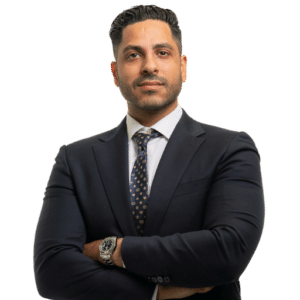
Eddie Tehrani
Eddie Tehrani founded State Law Firm after working in Los Angeles law offices handling personal injury and civil litigation. Review his background and discuss the firm’s approach to your pedestrian injury matter.
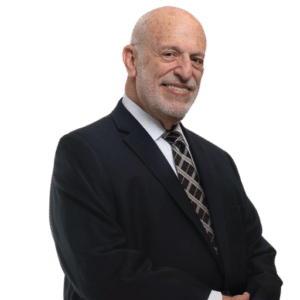
Arnold Gross
Arnold Gross’s firm biography describes personal injury and wrongful death trial work, along with mediation and arbitration experience. Read his professional background on the firm’s attorney page.
Serving Anaheim From Our Sherman Oaks Office
State Law Firm’s main office is at 15490 Ventura Blvd #205, Sherman Oaks, CA 91403. Anaheim residents and visitors can begin by phone or online and ask about meeting arrangements before traveling. Check Locations for office information or contact the team at (877) 659-9223.
If you were injured inside a vehicle rather than on foot, see our Anaheim car accident page. The pedestrian information here focuses on crossing conditions, driver movement, and injuries to people walking.
Frequently Asked Questions
Can I ask about a claim if there were no painted crosswalk lines?
Yes. Some intersection crosswalks are unmarked. The exact location, applicable crossing rules, signals, and conduct of both parties need review. A photograph showing no stripes does not by itself resolve responsibility.
What if the driver says I stepped out suddenly?
Preserve your recollection and any witness or video information. A claim of sudden entry is an allegation to investigate, not a finding of fault. The review should consider the vehicle’s movement, visibility, timing, and duties of care.
What if the driver left the scene?
Prioritize safety, seek help, and report what happened. Keep any plate details, vehicle description, footage, and witness contacts you already have without pursuing the vehicle. Ask the attorney about identification efforts and policy-specific coverage questions; payment cannot be assumed.
Do I need the police report before contacting the firm?
No. Start with the date, location, incident number if available, and responding agency. Tell the team whether a request is pending. Missing records can be discussed during the initial consultation.
Can I start a consultation after returning home from an Anaheim visit?
Yes. You can contact the firm by phone or online about the Anaheim incident. Keep California treatment information together with records from follow-up care at home, and ask how to share documents securely and arrange any necessary meetings.
Is the initial pedestrian accident consultation free?
Yes. The initial consultation is free. Ask the team to explain any proposed attorney fees, case costs, and representation terms before signing an agreement.
Request an Anaheim Pedestrian Accident Consultation
Tell us how to reach you about the collision. Have the date, exact crossing or driveway location, responding agency, and any available incident number ready for the follow-up conversation.
This page provides general information, not legal advice. Contacting the firm does not by itself establish an attorney-client relationship. A case-specific review is needed to assess your rights and deadlines.