English
  Spanish
A Local, Evidence-Based Review of a Palmdale Crash
Crashes around Palmdale often involve movement between State Route 14, Palmdale Boulevard, Rancho Vista Boulevard, and Pearblossom Highway. A careful review separates the local setting from the legal and factual questions: who controlled each vehicle, what evidence still exists, which coverage may apply, and how the injuries are documented.
Palmdale drivers often cover longer distances between Antelope Valley neighborhoods, employment centers, and regional highways. State Law Firm reviews the police exchange information, scene material, vehicle records, medical timeline, insurance communications, and any disputed account before recommending next steps. No result can be promised, and the value of a claim depends on its evidence and applicable law.
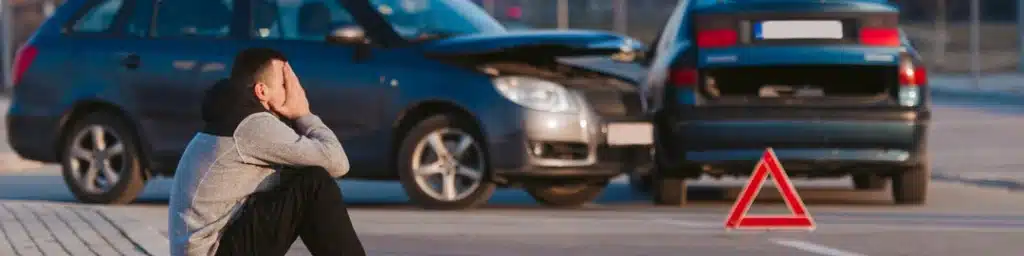
From the Collision Location to a Usable Case Record
The route through Palmdale matters because records are often held by different people or entities. Material may come from drivers, passengers, nearby businesses, public agencies, towing companies, repair facilities, or vehicle systems. A focused request starts with the exact corridor and time window.
Higher-speed travel, wind and visibility conditions, and longer emergency-response routes can make timestamps and scene documentation particularly useful. The most useful case file connects that setting to verifiable details, including vehicle damage, electronic information when available, contemporaneous statements, and the course of medical care.
A Palmdale-Specific Preservation Plan
Local evidence is often time-sensitive. Around State Route 14, Palmdale Boulevard, Rancho Vista Boulevard, and Pearblossom Highway, traffic or business video may be retained for a limited period, road work can alter markings, and damaged vehicles may be repaired or sold. A written preservation list should assign each item to a source and record the request date.
Higher-speed travel, wind and visibility conditions, and longer emergency-response routes can make timestamps and scene documentation particularly useful. Vehicle type, trip purpose, passenger status, and ownership may add separate record sources. Those details can determine whether employer, rideshare, rental, delivery, or commercial material should be preserved.
Records Worth Preserving After the Collision
- Scene material: Original photographs and video, the exact location, travel direction, lane, traffic controls, lighting, weather, debris, and visible damage.
- Vehicle information: Driver and owner details, policy cards, plate and vehicle identification information, towing records, repair estimates, and available electronic data.
- Independent sources: Witness contact information, nearby camera locations, dispatch or incident identifiers, and names of businesses or agencies that may hold records.
- Medical chronology: Symptoms reported, provider names, appointments, restrictions, referrals, prescriptions, and changes in daily activity documented by date.
- Financial records: Bills, receipts, wage or schedule records, property-loss documents, and insurance communications kept in their original form.
Questions the Evidence Must Answer
A liability review should account for every participant whose conduct may have contributed to the event. The coverage review then asks which policies correspond to those people, vehicles, and roles. Keeping those questions separate reduces the risk of accepting an unsupported insurance conclusion.
Damages also require documentation rather than a prediction. Medical records, billing, work records, repair material, photographs, and a consistent symptom timeline help explain the effects of the collision. Gaps or prior conditions should be addressed directly instead of ignored.
Preparing for a Palmdale Case Consultation
For a Palmdale consultation, bring the collision exchange or report number, photographs and video in original format, insurance correspondence, medical-provider information, repair or total-loss documents, and any work-impact records. A simple date-by-date timeline is often more useful than a polished narrative.
The fact that a collision happened in Palmdale does not answer every procedural question. Party residence, public-entity involvement, insurance positions, and other facts can affect where and how a claim proceeds, including whether Los Angeles County is relevant.
Turning the Available Records Into a Reviewable File
The next step is not simply sending every document to an insurer. The file should first be checked for missing identifiers, inconsistent dates, unreadable images, incomplete medical periods, and coverage questions. A Palmdale claim becomes easier to evaluate when each assertion can be traced to a document, witness, or clearly labeled personal account.
Insurance correspondence should be matched to the policy, claim number, sender, date, and issue being discussed. Medical and income records should be matched to the period claimed. This organization does not determine the result, but it creates a more reliable basis for deciding whether and how to proceed.
Palmdale Car Accident Questions
What if the drivers disagree about how the crash happened?
Conflicting accounts make preservation more important. Scene images, timestamps, damage patterns, neutral witnesses, camera locations, and available vehicle records can be compared before a liability position is accepted.
Should I keep communicating with the insurance company?
Keep every letter, email, text, estimate, and claim number. Before providing a recorded statement, signing a release, or accepting a final offer, consider obtaining advice based on the specific policy and file.
What can State Law Firm evaluate during a consultation?
The firm can review the known collision facts, available evidence, parties, insurance information, medical timeline, documented losses, unresolved questions, and possible next steps. A consultation is an evaluation, not a promise of recovery.
Request a free consultation about a Palmdale car accident. Bring the records you have; the first review can identify what is missing and what should be preserved next.
Related legal resources: California car accident resources, Orange Car Accident Lawyer, Richmond Car Accident Lawyer, Oakland Car Accident Lawyer, San Buenaventura Car Accident Lawyer, Free consultation.