English
  Spanish
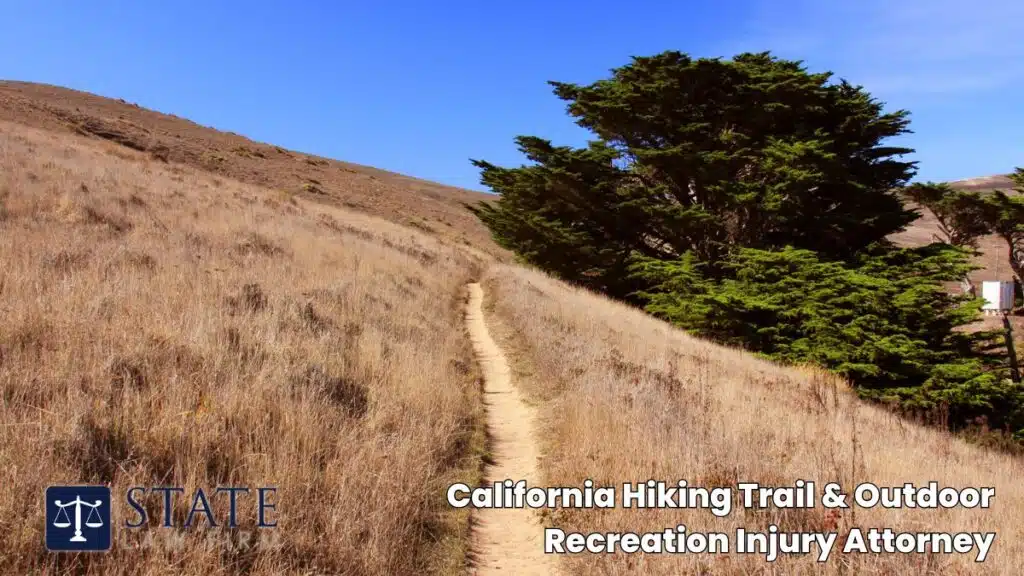
California’s hiking trails and outdoor recreation areas offer breathtaking scenery and adventure. However, poorly maintained trails, park facilities, and lookout points can turn a fun outing into a disaster. A single loose board on a footbridge, an eroded trail edge without warning, or a broken handrail on a viewpoint can cause a serious fall. If you or a loved one has been injured in a fall due to a poorly maintained trail or facility, you may be wondering who is responsible and what your legal options are. This comprehensive guide will explain how premises liability law applies to outdoor recreation injuries, the challenges of claims on public land, and why consulting an experienced attorney is crucial. We’ll walk through what to do after a hiking injury, how to pursue compensation for your losses, and how a seasoned lawyer can help you navigate the complex legal landscape.
The Hidden Dangers of Poorly Maintained Trails and Facilities
Hiking accidents often happen when you least expect them. Trails in California’s parks and wilderness can pose hidden dangers if not properly maintained. Examples include:
- Erosion and unstable ground: Washed-out trail sections, loose rocks, or unstable soil can lead to slips or trips. Without regular maintenance or warnings, these natural hazards become accidents waiting to happen.
- Damaged structures: Many popular trails feature man-made structures like wooden bridges, stairways, railings, or viewing platforms. If these structures rot, rust, or break due to neglect, they can collapse or give way under a hiker’s weight. A broken step or loose railing on a steep trail can easily cause a fall and serious injuries.
- Overgrown or obstructed paths: Vegetation overgrowth or fallen trees/debris on the path can force hikers into dangerous detours. Poor lighting at campsites or trail facilities, especially near dusk or dawn, may prevent you from seeing a hazard in your path.
- Lack of warning signs: Trails that have known hazards (such as a slippery waterfall crossing or a steep drop-off) should be marked with clear warnings or barriers. When parks fail to put up warnings about non-obvious dangers, unsuspecting hikers are put at risk.
These hazardous conditions are preventable with proper upkeep and caution. Park authorities and property owners responsible for recreational areas should be conducting routine inspections and repairs. For instance, just as a business must mop up spills or put out “wet floor” signs to prevent indoor slip-and-falls, those managing outdoor sites should regularly inspect trails for hazards, fix problems promptly, and warn visitors of any dangers that aren’t obvious. Ignoring these duties can be considered negligence under premises liability law .
Premises liability is the body of law that holds property owners (or those in control of property) accountable when unsafe conditions cause injuries to lawful visitors . This applies not only to grocery stores or apartment complexes, but also to outdoor areas like parks, trails, and campgrounds. If a park agency or private landowner knew about a dangerous condition and failed to fix it, or should have known through reasonable inspections yet did nothing, they can be found negligent . For example, if park rangers received reports of a broken footbridge but left it unrepaired for weeks, or a campground owner never inspected and discovered a hidden wasp infestation in a trail restroom, they may be liable when someone gets hurt as a result.
Who Is Liable for a Hiking Trail Fall Injury?

Determining who is responsible for your injury is a crucial step. Liability for a hiking trail or outdoor facility accident typically depends on where the accident happened and who owns or manages that land:
- Public Trails (Government-Owned Land): Many hiking areas in California are in state parks, national parks, national forests, county parks, or city open spaces. These are managed by government entities (like the National Park Service, U.S. Forest Service, California State Parks, or local municipalities). Suing a government agency is not as straightforward as suing a private party due to the legal doctrine of sovereign immunity. Sovereign immunity means government entities are protected from lawsuits except in specific circumstances. California’s Government Code provides exceptions that allow you to sue a public entity for negligence – notably, claims involving “dangerous conditions” on public property (e.g. broken sidewalks or unsafe trails) . If a public agency failed to properly maintain a trail or facility and it created a dangerous condition that caused your injury, they can be held liable in theory. For instance, if a county park knew a trail’s wooden bridge was unsafe but didn’t repair or close it, they could be responsible for injuries from a collapse. However, public entities also have special protections – one big example is “trail immunity.” Under California law (Government Code §831.4), public entities are immune from liability for injuries caused by the condition of unpaved roads and trails used for recreational purposes . In simple terms, if your injury was caused by the natural or physical condition of a recreational trail, a city or county might claim absolute immunity from your lawsuit. Trail immunity has been used to defend against cases like a cyclist injured by an obscured cable fence on a bike trail or a hiker who fell from an unfenced drop-off beside a trail . The rationale is to encourage governments to keep trails open to the public without fear of constant litigation . This doesn’t mean every claim against a public park is impossible, but it raises the bar for holding them accountable. Often, success requires showing the injury was due to something beyond the inherent condition of the trail – for example, a negligently maintained facility (like a viewing platform or campground restroom) or extreme misconduct by the agency. Each situation is unique, so it’s wise to consult an attorney who can analyze whether an exception to immunity applies in your case .
- Private Land (Individuals, Companies, or Organizations): If your injury occurred on privately owned land – for example, a privately run campground, an adventure park, a hiking trail on a homeowner’s association property, or even someone’s expansive private land where they allow hikers – the rules are a bit different. Private landowners in California also have a duty to maintain safe premises for invited guests, but there is a law known as the recreational use statute (California Civil Code §846) that can shield landowners from liability when they open their land for free recreational use. In essence, if you were not charged any fee to be there and were not expressly invited for a specific benefit to the owner, the landowner “has no duty to make the land safe” for recreational activities like hiking . This law exists to encourage landowners to allow hiking, biking, and similar activities on their property without the fear of lawsuits. So, if you wandered onto private land or used a community trail that’s technically private property, the owner might invoke this immunity. Exceptions do apply: a private landowner can still be liable if they willfully or maliciously failed to warn about a dangerous condition (for example, a known hidden well or an abandoned unstable structure on the property) , or if they charged a fee for entry (charging money generally voids the immunity). Additionally, if you were expressly invited (not just a member of the general public), the owner owes you a higher duty of care. In short, on private land the case may hinge on whether you were there with permission and payment or not. If, say, you paid for a guided hike on a private ranch or an adventure tour, the company or owner absolutely owes you a duty of care like any business would to its customers (similar to an invitee at a theme park ).
Identifying the correct defendant – whether it’s a government agency, a private landowner, a commercial operator, or some combination of parties – is critical. Sometimes multiple parties may share liability. For example, imagine a state park that contracted maintenance of its trails to a private company: both the government and the contractor could potentially be defendants if negligence in maintenance caused your fall. Or if you fell due to a defective piece of equipment (like a poorly designed railing that gave way), a product manufacturer or installer might be partly responsible. An experienced attorney can investigate all angles and determine who exactly owed you a duty of care and who failed to uphold it.
Challenges of Claims Involving Government Entities (Sovereign Immunity)

As noted, pursuing a claim against a public entity in California brings special challenges. Sovereign immunity doesn’t mean you can never sue the government – but you must navigate the strict rules of the California Tort Claims Act (CTCA). If your hiking injury happened on public land (like a state or national park, or a county trail), keep these key points in mind:
- Short Deadlines: Unlike the standard personal injury deadline of two years, claims against government agencies are subject to a much shorter timeframe. You generally must **file an official claim with the appropriate government entity within 6 months of the injury . This is essentially a written notice letting the agency know you were injured, how, when, and that you intend to seek compensation. If you miss this 6-month claim deadline, you could lose your right to sue entirely. Once the claim is submitted, the agency will review it. If they deny or ignore it (which is common), you then have another 6 months from the denial to file a lawsuit in court . Timing is critical, so do not delay if you’re considering action against a city, county, state, or federal park authority. (Federal claims, such as against a National Park, have a similar process under the Federal Tort Claims Act, with a standard 2-year administrative claim deadline – still, acting sooner is better.)
- Procedural Hurdles: Suing a public entity involves specific procedures and paperwork. The claim must be filed in the proper format and with the correct agency. There are often government claim forms to fill out. Mistakes in this process (like filing with the wrong department or providing incomplete information) can derail your case. Additionally, certain types of damages might be limited when suing the government. For example, you generally cannot recover punitive damages (meant to punish) from public entities, and some public agencies have liability caps in particular situations. A knowledgeable attorney ensures all rules are followed so your claim isn’t tossed out on a technicality.
- Immunity Defenses: Even if you file on time, be prepared for the government to assert defenses under various immunity statutes. Trail immunity is one we discussed – if they succeed in arguing your injury was due to a condition of a trail (or an access road to recreational areas, which is also covered by the statute), the case can be dismissed no matter how negligent the maintenance might seem. Other immunities can include things like not being liable for natural conditions of undeveloped public property (e.g. a wild tree branch falls on you – Government Code §831.2 gives immunity for natural condition of unimproved property). Overcoming these defenses often requires nuanced legal arguments. Sometimes it hinges on whether the injury truly arose from the “condition of the trail” or something else. For instance, if you were hurt in a designated campsite area or a park parking lot, the agency might not be immune because those aren’t “trails.” Or if the park engaged in gross negligence or willful misconduct, immunity statutes might not protect them. Each immunity has exceptions that a skilled lawyer can identify. For example, dangerous condition of public property (Gov. Code §835) is the basic rule that if a public entity knew or should have known of a dangerous condition and injury was foreseeable, they can be liable – but you have to fit within an exception to any specific immunity like the trail immunity. It’s a complicated balancing act of laws.
- Expert Legal Help: Because of these challenges, it’s highly advisable to work with an attorney experienced in premises liability and public entity claims if you were injured on government property. They will know how to draft the claim notice properly, how to investigate the incident (e.g. obtaining park maintenance records, prior complaints of the hazard, incident reports, etc.), and how to fight immunity claims. Going up against a city or state’s legal team is daunting – they often have attorneys whose job is to deny claims or minimize payouts. With a strong legal advocate on your side, you improve your odds of getting through the procedural minefield and proving that your case falls under an exception where the government can indeed be held responsible . Remember: missing the 6-month filing deadline or other CTCA requirements can break your case before it starts, so get legal advice early.
Proving Negligence in a Trail Fall Injury Case

Whether your claim is against a private campground owner or a public parks department, you will generally need to prove negligence to win a premises liability case. In a hiking trail or outdoor facility context, proving negligence involves showing all of the following:
- A dangerous condition existed on the property. This is the hazard that caused your fall. It could be a physical defect like a hidden pothole on a trail, a rickety footbridge, broken stairs on a lookout tower, loose rocks in a path that should have been shored up, or an unsafe situation like lack of barriers at a known cliff edge or slippery algae on a frequently used river crossing. You need to identify exactly what the unsafe condition was. Photographs, video, or witness descriptions of the scene can be powerful evidence here. For example, pictures of a collapsed railing or measurements of a deep rut in the trail help illustrate the danger. If the hazard was something that developed over time (like erosion or rot), that often supports that it was foreseeable and should have been addressed.
- The owner/manager knew or should have known about the danger. This is the knowledge element. You must show the liable party was aware (or would have been aware with reasonable care) of the hazardous condition before your accident. Direct evidence could be prior complaints or reports: maybe other hikers notified rangers of a washed-out section days earlier, or there were comments in a trail register about a broken bridge. In a private setting, perhaps employees had noted a problem in maintenance logs. Even without direct proof, you can show they “should have known” because the condition existed long enough or was obvious enough that any reasonable inspection would have caught it . For instance, if a wooden platform had clearly been rotting for months, park officials should have noticed and fixed it during routine inspections. On the flip side, if a hazard had formed just minutes before (say a sudden landslide or flash flood washed out the trail), it may be unreasonable to expect the owner to know in time. Part of this step is establishing how long the danger was present and the adequacy of the property owner’s inspections. Standards can vary – public parks might have periodic ranger patrols, while private facilities might require daily checks of high-traffic areas. Maintenance records, surveillance footage, or witness testimony (e.g. “I saw that railing broken a week ago”) can help prove notice.
- The responsible party failed to repair, warn, or safeguard against the hazard in a reasonable time. This is where the negligence really lies – knowing of the danger, they did not take appropriate action. What’s “appropriate” depends on context. Typically, property owners should fix dangerous conditions within a reasonable timeframe or at least warn visitors until a fix can be made . Did the park post a “Trail Closed” sign or rope off the area around the hazard? Did they put up a warning at the trailhead (“Bridge out 1 mile ahead”)? If not, why not? If a repair was complex, did they do something interim to reduce risk (like install a temporary footbridge or divert the trail)? Ignoring the issue or doing shoddy, incomplete repairs can be seen as failing this duty. For example, if a campground owner knew the stairs to the cabin area were broken and simply hoped no one would get hurt, that’s unacceptable. Even a warning sign might not absolve them if the condition was extremely dangerous and easy to fix. Here, industry standards or park policies can come into play – e.g., a well-run facility would have a protocol to address hazards promptly. Skipped inspections, ignored complaints, or lack of any safety protocol bolster your claim that the defendant did not act as a reasonable property owner would under the circumstances . Expert witnesses (like safety engineers or park management experts) sometimes testify on what the proper maintenance standards are for such trails or structures.
- The hazard caused your injuries. Finally, you must connect the dangerous condition to the accident and your injuries. Causation means showing that you would not have been hurt but for this hazard. This might seem obvious (“I stepped on the broken plank and fell off the bridge, causing my injuries”), but expect insurance companies or defense lawyers to scrutinize this. They might claim you were injured due to your own missteps or an unrelated factor. It’s important to have clear documentation of the incident: where and how exactly you fell, and that the fall directly led to your injuries. Medical records will need to tie your injuries (e.g. a broken ankle, concussion, spinal injury) to the fall event on that date. If you had any pre-existing conditions that got worse due to the fall (say a prior knee issue that was aggravated when you tripped), your attorney will gather medical opinions on how the accident exacerbated them. Essentially, you need to shut down arguments that “maybe you got hurt elsewhere” or “it was just an unavoidable accident.” Eyewitness accounts can be very helpful here – e.g., another hiker saw you fall when the handrail collapsed. So can physical evidence: torn clothing, the actual piece of broken wood or rusted bolt (if obtainable), and photos of the scene right after the fall. All of this paints a picture that the negligent maintenance (and not just your own clumsiness or a random act of nature) caused the harm.
All four of these elements are necessary to prevail in a negligence claim. It’s worth noting that in some cases more than one party’s negligence may have contributed. For example, a park might have failed to maintain a trail and a hiking tour company led you through a clearly unsafe route – both could share blame. Or there may be an aspect of product liability if, say, a piece of safety equipment like a railing was defectively manufactured. An attorney will explore all of these possibilities to ensure you pursue all avenues for compensation.
It’s also important to anticipate common defenses that might be raised. One frequent argument in outdoor injury cases is assumption of risk – the idea that by hiking, you voluntarily assumed the inherent risks of that activity (like rough terrain, the possibility of falls, etc.). While it’s true that hikers accept certain obvious risks (like natural terrain variations), you do NOT assume the risk of a property owner’s negligence. You don’t agree to hidden man-made dangers or an owner ignoring basic safety requirements . For instance, if a trail is naturally steep and you slip, that’s an inherent risk; but if the park built a staircase on that steep section and let it fall apart, causing your fall, that’s not a risk you signed up for. California law generally won’t enforce waivers or “enter at your own risk” signs to shield gross negligence or reckless disregard for safety . So, don’t be discouraged by a waiver or posted disclaimer – they might not bar your claim, especially if negligence is egregious. Another defense could be comparative negligence – the defendant might claim you were partly at fault (for example, by running on the trail, not paying attention, or going into a closed area). California follows pure comparative negligence, meaning you can still recover damages even if you were partially to blame, but your compensation can be reduced by your percentage of fault. If this comes up, your lawyer will work to minimize any unfounded blame on you. Maybe you were careful and the hazard was impossible to avoid – that would mean you had little to no comparative fault. Or even if you bear some responsibility, that doesn’t erase the landowner’s larger negligence.
In summary, proving a hiking injury claim requires a solid strategy: gather evidence of the dangerous condition, establish the owner’s knowledge and inaction, and clearly link it to your injuries. It’s a lot to handle, especially while recovering, which is why having legal representation is so beneficial. Our firm’s premises liability team knows how to investigate these incidents thoroughly – from digging into maintenance logs to interviewing witnesses – so that you have the evidence needed to hold the negligent party accountable.
Important Steps to Take After a Hiking Accident
A hiking or outdoor recreation accident can be chaotic and frightening, but what you do in the aftermath can significantly affect your health and your legal case. If you suffer a fall or injury on a trail or in a park facility, try to remember the following steps (many of these mirror the important steps to take after a slip and fall accident in any setting):
1. Seek medical attention immediately. Your safety and well-being come first. If you’re seriously hurt, call 911 (or have someone with you call) so that search and rescue or paramedics can reach you. Even if your injuries seem “not too bad,” get a medical evaluation as soon as possible – preferably the same day. Hiking injuries can be deceptive; what feels like a mild sprain or a bump on the head could be a fracture or concussion that worsens later. Prompt medical care not only ensures proper treatment but also creates documentation of your injuries and when they occurred. Let the doctor know you fell on a trail, so they note it in records. These medical records will be key evidence linking the accident to your injuries.
2. Report the incident to authorities or property management. If you’re in a park with rangers or staff, notify them as soon as possible about what happened and where. In a state or national park, find a park ranger or go to the visitor center to file an incident report. For local trails, you might need to contact the city/county parks department. If on private property (like a resort or campground), report to the manager or owner. Filing an official report serves two purposes: it creates a record of the accident (date, time, location, circumstances) and it alerts the property owner of the dangerous condition. Ask for a copy of any written report. If park personnel investigate, cooperate and note the names/titles of whoever you speak with. This report can later support your claim by showing it was reported promptly and consistently.
3. Collect evidence at the scene (if safe to do so). If your condition allows, document the hazard and scene immediately. Conditions on trails can change quickly – a hazard might be fixed or cleaned up by the next day, or weather could alter the landscape – so preserve evidence of how it was at the time of your accident . Use your phone to take photos or video from multiple angles. Key things to capture include: the exact spot where you fell, the hazardous condition (e.g. the broken plank, the hole, the debris, the missing sign or guardrail), and context like trail signs or landmarks. Also photograph any injuries visible (cuts, bruises) or torn clothing/gear. If there were witnesses, get their contact info (names, phone numbers). Fellow hikers or bystanders might later provide statements supporting your account (“I saw her fall when the railing collapsed”). If a helpful stranger took photos or video, see if they can share those with you. The more evidence you gather, the stronger your case will be. Pro tip: If the hazard is something temporary (like a slick patch or loose rock) that you can actually take with you (for example, a piece of broken stair), keep it secured as physical evidence.
4. Preserve any related documents and information. Keep records of everything related to the accident. Save your park entry ticket or receipt (to show you were legitimately there). Write down in a journal your own recollection of exactly how the accident happened while it’s fresh in your mind – these notes can be very useful later since memory can fade. If you spoke to any park staff or property owners afterward, jot down what was said. Also, do not throw away any item involved in the accident: for instance, your hiking boots or backpack (they might become evidence if the defense tries to claim improper gear was an issue), the clothing you were wearing (blood-stained or ripped clothing can visually demonstrate the violence of a fall). If the park or insurance company sends you any forms or correspondence, save them and consider consulting your attorney before filling anything out. Additionally, avoid posting on social media about the accident or your injuries – these posts can be misconstrued by insurance adjusters. For a detailed checklist on post-accident steps, you can refer to our guide on important steps to take after a slip and fall accident (the principles apply similarly to outdoor accidents).
5. Consult a personal injury attorney before dealing with insurance or signing anything. After a serious injury, you may start getting calls from insurance adjusters representing the property owner (or even from government risk management if it’s a public entity). They might ask for a recorded statement or offer you a quick settlement. Be very cautious: their goal is often to minimize liability and pay you as little as possible. It’s usually wise not to give a recorded statement or accept any payout until you’ve gotten legal advice. An attorney can guide you on your rights and communicate with the insurance company on your behalf, ensuring you don’t accidentally say something that hurts your claim or settle for far less than you deserve . Most personal injury lawyers offer a free consultation, so it costs nothing upfront to get an expert opinion on your case. Remember, when you’re recovering from an injury, you should focus on healing – let a lawyer handle the legal complexities and protect your interests from the start.
By taking these steps, you greatly increase the chances of a successful claim. You’ll have protected your health, created an official record, gathered crucial evidence, and set yourself up to pursue justice. Many of the same steps apply whether you fell in a supermarket or on a mountain trail , but outdoor cases bring extra importance to evidence preservation (since nature and repairs can erase the hazard) and to prompt reporting (because of the shorter timelines for government claims). Acting quickly and methodically can make all the difference between a weak he-said/she-said claim and a strong case backed by photos, documents, and witnesses.
Compensation for Injuries from Falls on Trails or Outdoor Facilities
A serious fall on a trail can leave you with much more than a bruised ego – you might be facing steep medical bills, significant pain, and life-altering consequences. If your injury was caused by negligence, you have the right to seek compensation (damages) from the responsible party. In California personal injury cases, including premises liability incidents, damages are typically divided into two categories: economic (specific financial losses) and non-economic (general losses related to quality of life). Here’s what you may be able to recover in a hiking injury claim:
- Medical Expenses: This covers the cost of all medical care related to your injury. It includes emergency response (ambulance or helicopter rescue from a trail, if that was needed), hospital bills, doctors’ fees, surgery costs, medication, medical devices (braces, crutches, etc.), physical therapy, and any rehabilitation services. Don’t forget future medical costs – if your injuries will require ongoing treatment, follow-up surgeries, or long-term therapy, those estimated future expenses should be included as well. Keep receipts and bills for every treatment. Even out-of-pocket costs like prescriptions or travel to medical appointments are compensable. Catastrophic injuries (like a severe spinal injury or traumatic brain injury) can run into hundreds of thousands or millions in lifetime medical needs, so it’s crucial to account for everything.
- Lost Wages and Earnings: If you had to miss work due to your injury (for recovery, doctor appointments, or because your physical condition temporarily prevented you from doing your job), you can claim the income you lost. Provide pay stubs or employer statements to document how much work (and pay) you missed. Beyond missed paychecks, consider loss of earning capacity: if your injury has long-term effects that limit your ability to perform your job or advance in your career, you may be entitled to compensation for the reduction in your future earnings. For example, a mountain tour guide who suffers a permanent leg injury might not return to that line of work and therefore loses future income. Calculating future losses often requires expert analysis (e.g. an economist or vocational expert), but it’s a significant component if your injuries are disabling.
- Pain and Suffering: These are non-economic damages compensating you for the physical pain and emotional distress you’ve endured. A hard fall on a rocky trail can cause severe pain – broken bones, torn ligaments, or head injuries that bring not just immediate pain but ongoing suffering during recovery (and sometimes lifelong pain). You also might experience mental and emotional trauma: fear of hiking or outdoors (loss of enjoyment of a hobby you loved), anxiety, depression, or PTSD-like symptoms especially if the fall was terrifying. There’s no exact dollar for pain and suffering; factors include the severity of your injury, the duration of pain, and how it affects your daily life. In California, juries or insurance adjusters often use a “multiplier” method (multiplying medical bills by a number reflecting severity) or per diem method to value pain and suffering. Our firm has a dedicated guide on how to estimate pain and suffering in a California personal injury case – essentially, the more serious and long-lasting your suffering, the greater this portion of damages . Documenting your experience can help: keeping a pain journal, noting days you couldn’t sleep or missed important life events, etc., strengthens your claim here.
- Loss of Enjoyment of Life: This is related to pain and suffering but specifically addresses how the injury has diminished your ability to enjoy the activities and life you had before. Perhaps you’re an avid hiker or runner and now you can’t partake in those activities, or even simple pleasures like playing with your kids are limited by your injury. Maybe a planned vacation was ruined or you can no longer travel comfortably. Compensation can acknowledge these life impacts, even though they aren’t financial losses. We want to convey how the injury stole certain joys or experiences from you.
- Scarring or Disfigurement: If your fall resulted in visible scars, disfigurement, or permanent physical changes (for instance, facial scars from hitting rocks, or a limp from a badly healed fracture), you can receive damages for that permanent impact on your appearance and the psychological toll it may bring. This often comes up in cases of severe lacerations or orthopedic injuries that lead to lasting impairment.
- Property Damage: Though usually smaller in hiking cases, you can also claim any personal property that was damaged or lost in the incident. For example, perhaps your expensive hiking gear was ruined in the fall – torn backpack, broken smartphone, damaged camera, etc. If you were using any equipment that broke when you fell (trekking poles, eyeglasses, etc.), keep those as evidence and include the value. In some cases, a bicycle or off-road vehicle might be involved if you were biking or ATV riding on a trail – repairs or replacement of those can be significant.
- Wrongful Death Damages: If the worst tragedy occurs – for instance, a fatal fall from a negligently maintained overlook – the surviving family (spouse, children, or other heirs) may pursue a wrongful death claim. This would allow recovery for funeral expenses, loss of the loved one’s financial support, and the loss of companionship and emotional support the deceased provided . Wrongful death cases arising from outdoor accidents are heartbreaking, and while money can never replace a life, it can help families deal with the financial fallout and hold the negligent party accountable for the loss of life. (Our firm’s wrongful death lawyers can guide families through this difficult process.)
It’s important to comprehensively calculate your damages. Don’t underestimate costs – sometimes people only think of the hospital bill and forget the ongoing physical therapy or the fact they needed to hire help at home during recovery. Also consider the intangible losses like your pain and the experiences you’ve missed out on. In negotiations or at trial, we will paint a full picture of how this injury affected you. We often use evidence like medical expert testimony, therapists’ notes, photographs of your injuries, and personal testimony from you and loved ones to convey the extent of your suffering.
Be aware that insurance companies will often try to lowball these damages, especially pain and suffering. They might downplay your injuries or argue that you’re recovering “just fine.” That’s where having an attorney makes a huge difference – we know the strategies to maximize your settlement or award. For example, if the insurance’s first offer ignores future medical costs or lost earning capacity, we counter with solid proof and sometimes expert reports that justify a higher amount . We’ll also use any leverage like evidence of clear negligence or prior similar accidents on that property to push for full compensation.
Every case is unique – a relatively minor fracture that heals in a month will be valued differently than a spinal cord injury causing permanent disability. Some real-life premises liability settlements illustrate this range: for instance, a case where an elderly person fell on a poorly maintained staircase in an apartment complex resulted in a $250,000 settlement due to a hip fracture and permanent mobility issues . While that example is from an apartment slip-and-fall, it parallels how serious injuries from falls (especially with lasting impacts) can command high compensation. On the other hand, a simpler injury with full recovery might settle for much less. The key is ensuring all your damages are accounted for and backed by evidence.
How a Seasoned Attorney Can Help You Recover

Pursuing a trail or outdoor injury claim can be an uphill climb – but you don’t have to go it alone. Engaging an experienced personal injury attorney (especially one well-versed in premises liability and recreational injury cases) can dramatically improve your ability to secure justice and fair compensation. Here’s how our legal team can assist:
- Investigation and Evidence Gathering: Right away, an attorney will launch a thorough investigation of the incident. We will revisit the scene (often with experts or investigators) to understand exactly where and how it happened. We take photographs, drone footage, measurements – whatever is needed to document the hazard if it still exists. If the condition has been repaired or changed, we look for evidence of what it was like (maintenance records, witness photos, etc.). We’ll track down witnesses and get their statements while memories are fresh. Importantly, we also put the responsible parties on notice to preserve evidence – for example, sending a letter to a park agency instructing them to retain all maintenance logs, or to a business to save any surveillance video of the area. This prevents the “loss” or destruction of key evidence. By building a solid evidence file early, we prepare to counter any denials and prove negligence convincingly.
- Navigating Complex Laws: As we’ve covered, cases involving outdoor injuries can invoke various complex laws – from government immunities to recreational use statutes to the nuances of premises liability standards. An attorney with decades of experience (our firm’s legal team has been handling personal injury cases in California for 25+ years, giving us deep insight) will know how to navigate these. We stay updated on the latest court decisions and statutory changes that could affect your claim. For instance, knowing the fine distinctions of trail immunity case law might enable us to argue that your case falls outside its scope. Or we might identify if a public entity failed to meet a specific legal duty (like a city not following its own park safety ordinances). We’ll also ensure compliance with all procedural requirements – such as filing that government claim on time – so the case isn’t lost on a technicality.
- Calculating True Damages: Lawyers experienced in injury cases understand how to assess the full value of your claim. We often work with medical experts to project future medical needs and with financial planners or economists to quantify long-term income loss. We won’t let an insurance adjuster gloss over your pain and suffering either – we know the arguments to substantiate a high value for intangible losses, often referencing similar past cases or using illustrative evidence. By presenting a well-documented demand package (including medical reports, expert opinions, and detailed narratives of how the injury affected you), we push the insurance company or defendant to treat your claim seriously. Our goal is to maximize every category of damages so you are not left footing bills or struggling without support down the line .
- Dealing with Insurance Companies and Legal Opponents: Once you have an attorney, you can refer all insurance calls to us. This alone is a huge relief for many clients – you won’t have to worry about saying the “wrong thing” or being pressured into a quick settlement. We handle the negotiations, and because insurance companies know which law firms are ready to go to trial, having a reputable firm like ours sends a message that we won’t settle for pennies on the dollar. If the defendant is a government entity, we’ll communicate with their legal counsel on your behalf. We’re adept at countering the common tactics: for example, if they try to blame you for the accident, we provide evidence of your caution and the unreasonableness of the hazard; if they argue immunity, we cite the exceptions and factual differences that keep your case alive. Our attorneys are essentially your advocates and buffers, shielding you from aggressive adjusters and legal traps .
- Expertise in Premises Liability Trials: While many cases settle out of court, we prepare each case as if it could go to trial. If the other side won’t offer a fair settlement, we are fully ready to file a lawsuit and present your case to a jury. Our firm has trial experience specifically in premises liability and injury cases – we know how to explain to jurors about maintenance duties, how an accident happened, and the impact on your life in a compelling way. We work with top experts (like safety engineers, biomechanical experts to explain how the fall caused the injuries, doctors, etc.) to testify on your behalf if needed. Importantly, when the opposition knows we’re ready and willing to litigate, they’re more likely to come to the negotiating table with a reasonable offer. Our readiness to take the case all the way can be a key leverage in getting you the compensation you deserve.
- No Upfront Costs & Contingency Fee: Concerned about attorney fees? Almost all reputable personal injury attorneys (including us) work on a contingency fee basis for cases like this. That means you pay nothing upfront – our firm only gets paid if we win or settle your case. Our fee is a percentage of the recovery. This arrangement aligns our interests with yours: we’re motivated to get the maximum compensation possible, as efficiently as possible. It also means anyone can afford quality legal representation, regardless of financial status, because you don’t pay out-of-pocket during the case. We also typically front the costs of investigation, filing fees, expert witnesses, etc., and those are reimbursed from the settlement or verdict. If we don’t win, you owe us nothing for fees or costs. So there’s minimal risk on your end in hiring a lawyer – and a huge potential upside in terms of outcome.
- Personal Guidance and Support: Beyond the legal fight, a good attorney provides peace of mind. We guide you through the process, keep you updated, and advise you before any big decisions (like whether a settlement is fair or not). Dealing with an injury is stressful enough; we aim to lift the legal burden so you can focus on healing. We can also connect you with resources – perhaps recommending doctors or specialists if you need referrals, or helping you navigate issues like medical liens, insurance claims, and time off work. Our team truly cares about our clients’ well-being, not just the case.
In complex cases like falls on poorly maintained trails, experience matters. Our firm has successfully handled numerous slip and fall and premises liability cases over the years, including those involving unique locations and defendants. We know the tricks insurance companies play, we know how to build a rock-solid case, and we’re passionate about holding negligent parties accountable, whether it’s a major public agency or a private campground owner.
The aftermath of a hiking injury can be overwhelming – you might be facing physical pain, financial strain, and frustration that what was supposed to be a pleasant outing turned into a trauma due to someone else’s negligence. You don’t have to face it alone. Enlisting a skilled advocate can make all the difference in the outcome and in your stress level along the way.
Get Help from a California Hiking Injury Attorney Today
A fall on a hiking trail or in an outdoor recreational area can upend your life. You might be coping with injuries, medical appointments, and uncertainty about the future. But remember, if that fall was caused by a property owner’s or agency’s failure to maintain safe conditions, you have legal rights. State Law Firm is here to help you exercise those rights and obtain the compensation you need to move forward.
Our premises liability lawyers in Sherman Oaks have extensive experience handling slip and fall cases and outdoor injury claims across California. We understand the nuances of premises liability law and the special rules for public entity claims. When you reach out to us, we will listen to your story, evaluate the strength of your case, and outline your options – all with no obligation and no fee unless we win.
Time is of the essence, especially for incidents on government property (remember that 6-month filing deadline!). Don’t wait to get the guidance you need. Contact State Law Firm today to set up a free consultation. We’ll answer your questions, help preserve crucial evidence, and aggressively pursue justice on your behalf.
You went out to enjoy California’s great outdoors – and if someone’s negligence turned that experience into an injury, they should be held responsible. Let us fight for you while you focus on healing. With our skilled personal injury attorneys by your side, you can confidently navigate the legal trail ahead.
Reach out now for your free case evaluation and let our team help you get back on your feet and on the path to recovery, compensation, and closure. Your well-being is our priority, and we’re ready to champion your rights every step of the way.