English
  Spanish
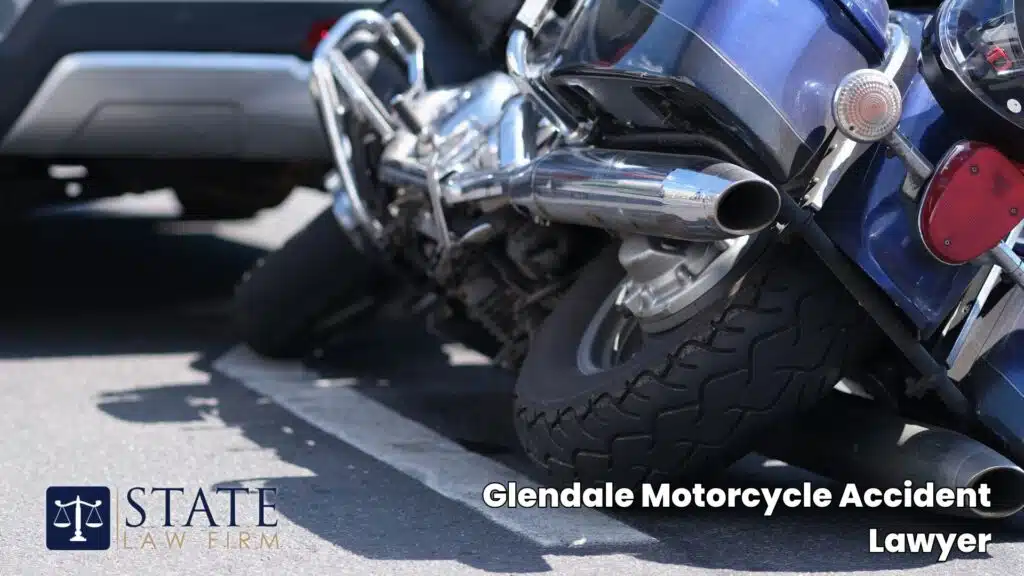
Living and riding in Glendale, California, offers beautiful weather and scenic routes year-round – but it also comes with heavy traffic and increased accident risks. If you or a loved one has been in a motorcycle accident in Glendale, you understand how quickly a leisurely ride can turn life-altering. In such a situation, a Glendale motorcycle accident lawyer can be your strongest ally. Our aim in this guide is to explain why these accidents happen, what to do afterward, and how an experienced attorney can help you secure the compensation you deserve. Riding on two wheels is exhilarating, but when a crash happens, having the right information and legal support is crucial.
The High Risk of Motorcycle Accidents in Glendale
Glendale’s busy streets and freeway corridors (like the 5, 134, and 2) mean motorcyclists often must navigate through dense traffic and drivers who may not always be attentive. Commuters rushing through downtown Glendale or tourists exploring local attractions can inadvertently create dangerous situations for riders. Motorcycles lack the protective metal frame of a car, so when collisions occur, riders are extremely vulnerable to serious injuries. In fact, nationwide statistics highlight the risk: the odds of getting into a motorcycle accident are about 1 in 100 for the average rider, and per mile traveled, motorcyclists are roughly 28 times more likely to be killed in a crash than passenger car occupants . These sobering facts underscore that even the most skilled and cautious rider faces a high level of danger on the road.
Glendale sees its share of motorcycle crashes each year as part of the greater Los Angeles area. The city’s mix of congested urban roads and high-speed freeways creates a challenging environment for motorcyclists. Riders must contend with vehicles merging on short notice, drivers making quick lane changes, and frequent stop-and-go conditions on major arterials. Glendale’s vibrant economy means lots of delivery vans, rideshare drivers, and commuters on the road – and unfortunately, more traffic means a greater chance of accidents. Given these realities, it’s important for Glendale riders to stay aware of common accident scenarios and to know their legal rights if an injury occurs.
Common Causes of Motorcycle Crashes
Motorcycle accidents can happen for a variety of reasons, but certain common causes come up again and again – especially in busy areas like Glendale. Understanding these causes can help riders stay vigilant and also illustrate why many crashes aren’t the biker’s fault at all. Some leading causes of motorcycle accidents include:
- Lane Splitting – California is one of the few states where lane splitting (riding between lanes of slow or stopped traffic) is legal. Glendale’s traffic jams often tempt riders to carefully filter between cars. However, lane splitting remains risky because many drivers do not expect a motorcycle to zip by in between lanes . A slight swerve or an inattentive lane change by a car can cause a serious collision. (Learn more about the specific lane splitting laws in California and guidelines for doing it safely.)
- Failure to Yield (Left-Turn Collisions) – One of the most dangerous situations for motorcyclists is when a car turns left in front of an oncoming motorcycle or pulls out of a side street without seeing the bike. Intersections in Glendale – from the large junctions on Brand Boulevard to smaller neighborhood crossings – are frequent sites of such crashes. Often, drivers misjudge the motorcycle’s speed or simply fail to notice it due to its smaller profile. In fact, studies show that in roughly two-thirds of multi-vehicle motorcycle accidents, the driver of the other vehicle violated the motorcyclist’s right-of-way (often by making an unsafe left turn or pull-out) . This means the majority of motorcycle wrecks involving another vehicle are caused by the car driver, not the rider.
- Distracted Driving – Driver distraction is a major factor in many accidents on Glendale roads. Texting, talking on the phone, fiddling with the GPS, or other distractions can easily lead a car driver to drift into a motorcycle or fail to stop in time. Even though using a handheld phone while driving is illegal under California’s phone use laws, plenty of drivers still sneak a quick text or call – with deadly consequences. A driver taking their eyes off the road for just a moment might not see a motorcycle slowing down or changing lanes, resulting in a crash. Similarly, a distracted rider can also miss critical road hazards, so staying alert is vital for everyone.
- Drunk or Impaired Driving – Despite strict DUI laws, drunk driving remains a leading cause of crashes in Southern California. An intoxicated driver’s slowed reaction time and poor judgment are a nightmare scenario for motorcyclists. A drunk driver might swerve into other lanes, run red lights, or fail to yield when required. For a rider, there’s often little chance to avoid a collision with a car or truck being operated erratically. Late-night riders in Glendale, especially on weekends, need to be cautious of motorists who may be coming from bars or parties under the influence. Alcohol is a factor in many severe motorcycle accidents because an impaired driver can easily overlook a motorcycle or misjudge distances, causing high-speed, life-threatening impacts.
- Speeding and Reckless Driving – Excessive speed greatly increases the likelihood and severity of any collision. On Glendale’s freeways like the I-5 and highways through the Verdugo Mountains, vehicles often exceed the speed limit. Whether it’s a car driver flying through a yellow light or a motorcyclist taking a curve too fast, speeding reduces reaction time and makes crashes more catastrophic. Reckless behaviors such as weaving through traffic, tailgating, or street racing pose extreme dangers to motorcyclists. A bike may be agile and quick, but it cannot easily dodge a speeding two-ton vehicle that appears suddenly. Both riders and drivers need to observe speed limits and drive prudently – unfortunately, when they don’t, the motorcyclist usually pays the bigger price.
Each accident has its own unique circumstances, but these common causes highlight a theme: many motorcycle accidents in Glendale happen because of another party’s negligence or inattention. Motorcyclists often have very little time to react when a car makes a mistake on the road. It’s also worth noting that even if a rider is partially at fault (for example, slightly exceeding the speed limit when a car turned left in front of them), California’s comparative negligence law allows the rider to still recover compensation in proportion to the other driver’s fault. Don’t let an insurance adjuster automatically pin the blame on the motorcyclist – the facts often show the car driver could have prevented the crash. An experienced attorney can help investigate the cause and make sure liability is assigned fairly, not based on unfair biases against motorcycle riders.
Common Motorcycle Accident Injuries
A motorcycle offers virtually no protection in a crash, so it’s no surprise that injuries tend to be serious. Glendale riders involved in an accident can suffer a wide range of injuries – from painful road scrapes to life-threatening trauma. Here are some of the most common motorcycle accident injuries and their effects:
- Road Rash – This is the term for severe skin abrasions that occur when a rider slides across asphalt or concrete. Friction can scrape off layers of skin. Road rash injuries range in severity from first-degree (painful scrapes) to third-degree (deep wounds exposing tissue). Serious cases can lead to infections or scarring and may require skin graft surgeries. Protective gear (durable jackets, pants, gloves) significantly reduces road rash, but many riders in our warm climate opt for T-shirts or minimal gear – increasing their risk. (For a detailed look at treatment and prevention, see our guide on the degrees of road rash after a motorcycle accident.)
- Head and Brain Injuries – Even with California’s universal helmet law (which requires all riders to wear a helmet), motorcyclists can still sustain serious head injuries in a crash. The impact force can cause concussions, skull fractures, or traumatic brain injuries (TBI). A severe brain injury may not be immediately visible, but it can lead to long-term cognitive issues, memory loss, or personality changes. Riders who hit their head may lose consciousness or suffer internal brain bleeding. Prompt medical evaluation (CT/MRI scans) is critical after any blow to the head. Recovery from a TBI can be prolonged and may require extensive therapy. (Learn more about the effects and legal implications of traumatic brain injuries in accidents in our article on TBI facts and legal recourse.)
- Spinal Cord Injuries – A violent collision can eject a rider from the bike or collapse them under a bike’s weight, potentially damaging the spine. Spinal cord injuries are among the most devastating outcomes, as they can lead to partial or complete paralysis. A broken neck or back (fractured vertebrae) can compress or sever the spinal cord, causing paraplegia (paralysis of the lower body) or quadriplegia (paralysis of all four limbs). Even less severe spinal injuries, like herniated discs, can cause chronic pain and mobility issues. These injuries often require surgery and long-term rehabilitation. The costs for medical care, home modifications, and nursing assistance in paralysis cases are enormous, which is why securing a fair settlement or award is so important for the injured rider’s future.
- Broken Bones and Orthopedic Injuries – It’s very common for motorcyclists to suffer fractures in an accident. The impact can break legs, arms, wrists, shoulders – essentially any bone that takes a direct hit. A rider’s legs are especially vulnerable if the motorcycle tips or slides onto them. Broken ribs are also frequent when a rider’s chest hits the ground or another object. Some fractures heal with casting and time, but others need surgical fixation (plates, screws) and extensive physical therapy. Multiple broken bones can put someone out of work for months and limit their activities long-term.
- Internal Injuries – The blunt force trauma of a crash can cause hidden but life-threatening injuries. Riders may sustain internal organ damage (such as a punctured lung, spleen laceration, or kidney injury) or internal bleeding. These injuries might not be obvious at the scene – a rider could be lucid and walking around with internal bleeding that becomes critical hours later. This is why immediate medical evaluation after a motorcycle accident is so crucial, even if you feel “okay” initially. Internal injuries often require emergency surgery. They also carry a risk of complications like infections, organ failure, or permanent impairment of organ function.
- Fatal Injuries (Wrongful Death) – Tragically, some motorcycle accidents are not survivable. The impact forces involved in high-speed crashes can cause fatal injuries on the spot or soon after (for example, severe head trauma or massive internal bleeding). Losing a loved one in a motorcycle accident is a heartbreak no family should endure. In such cases, the surviving family members may have the right to pursue a wrongful death claim against the at-fault driver or other responsible party. Through a wrongful death lawsuit, the family can seek compensation for funeral expenses, loss of financial support, and the emotional devastation of losing their loved one. (Our firm’s wrongful death lawyers can guide families in Glendale and across Los Angeles through this legal process to obtain justice and financial support after a tragic loss.)
In the aftermath of a motorcycle crash, getting prompt medical attention is priority number one. Many injuries – especially head, neck, and internal injuries – can worsen or turn fatal if not treated quickly. Always accept medical evaluation at the scene or go to an ER/Urgent Care as soon as possible after an accident, even if you think you’re mostly fine. Not only does this protect your health, but medical records also document your injuries, which will be important evidence if you pursue a personal injury claim later. Keep copies of all medical reports, diagnoses, treatment plans, and bills. These documents will help your attorney demonstrate the extent of your injuries and related costs.
Steps to Take After a Motorcycle Accident in Glendale
The moments and days following a motorcycle accident are chaotic and stressful. However, what you do (and don’t do) after the crash can significantly affect both your physical recovery and your legal rights. Here are the key steps to take if you’re involved in a motorcycle accident in Glendale:
- Call 911 and Get to Safety: Your first action should be to report the accident and seek emergency help. If you’re able, move yourself out of further harm’s way (e.g. off the roadway or shoulder) to avoid secondary accidents. Call 911 (or ask someone to call) to dispatch Glendale police and paramedics to the scene. Tell the dispatcher your location (look for the nearest street names or landmarks like intersections; e.g., “At the corner of Brand and Glenoaks in Glendale” or “on the 134 freeway near exit X”). When police arrive, they will secure the scene and create an official accident report. Cooperate with the officers – give them the basic facts of what happened – but do not speculate or admit fault. Simply state the sequence of events as you recall them. The police report will be a vital piece of evidence for your claim, so ensure it’s filed. (Later, you can obtain a copy of the report; see our guide on filing and obtaining a police accident report in California for more on this process.)
- Seek Medical Attention Immediately: If you are seriously hurt, an ambulance will take you to the nearest hospital (such as Glendale Memorial or USC Verdugo Hills). Even if you think your injuries are minor, get a thorough medical evaluation as soon as possible. Adrenaline can mask symptoms of concussions, internal injuries, or even fractures. Let a medical professional check you out – this could mean getting treated at the scene, going to an ER the same day, or visiting your doctor promptly. Early treatment not only can be lifesaving (especially for head or internal injuries) but also creates a medical record linking your injuries to the accident. Follow all medical advice and attend any needed follow-up appointments. Keep in mind that gaps or delays in treatment can be used by insurance companies to argue your injuries weren’t that serious or weren’t caused by the crash. Don’t “tough it out” – protect your health first and foremost.
- Document the Scene and Collect Evidence: If you are physically able at the accident scene (or have someone you trust do it for you), gather as much information as possible. Exchange contact and insurance details with the other driver(s) involved. Use your phone to take photos of everything: the positions of the vehicles, damage to your motorcycle and the car, skid marks on the road, debris, traffic signals or signs nearby, and any visible injuries you have. Photos can serve as crucial evidence later, helping accident reconstruction experts understand what happened. If there are witnesses, politely ask for their names and phone numbers – their testimonies might prove invaluable if there is a dispute about fault. In Glendale’s busy downtown or intersections, there may also be traffic cameras or security cameras (from nearby businesses) that recorded the accident. Make a mental note of any cameras you see. Footage from these can provide hard proof of how the crash occurred, but it is often overwritten quickly. This is something your attorney can help obtain soon after the accident. The more evidence you collect early on, the stronger your claim will be. Memories fade and physical evidence can vanish, so doing this immediately is important.
- Report the Accident to Your Insurance (But Be Cautious): Most auto insurance policies require that you notify your insurer of an accident within a reasonable time. Call your insurance company and inform them of the basic facts (where, when, type of accident). However, do not give a recorded statement or detailed commentary without consulting a lawyer first. When speaking with any insurance adjuster, stick to the facts and never admit fault or downplay your injuries. You can simply say, “I was involved in an accident on [date] in Glendale. The police were called and a report was made. I was injured and am seeking medical treatment.” You are not obligated to discuss specifics with the other driver’s insurance company – and in fact, it’s usually best not to speak to the at-fault party’s insurer at all until you have legal counsel. Insurance adjusters (even your own) may try to get you to say things that could hurt your claim or use tactics to minimize their payout. Be polite, but firm: do not speculate about the cause, do not accept blame, and do not agree to any quick settlement. It’s wise at this stage to let an attorney handle further communications with insurance companies to avoid saying something that could be misconstrued. (Sadly, insurance bad faith tactics are not uncommon – companies sometimes delay, deny, or lowball valid claims. Being cautious and having an advocate can protect you from this. See our overview of insurance bad faith in California for examples of insurer tactics to watch out for.)
- Consult a Qualified Motorcycle Accident Attorney: As soon as you’re able, reach out to a personal injury attorney with experience in motorcycle accident cases. This step can dramatically affect the outcome of your claim. An attorney will advocate for your rights from the start – they can advise you on pitfalls to avoid, handle communications with insurance companies, and start investigating the crash on your behalf. In serious accidents, evidence like skid marks or vehicle “black box” data can fade or be lost quickly, so having a lawyer gather and preserve evidence early is crucial. For example, an attorney can send preservation letters to obtain any available traffic camera footage from the City of Glendale or nearby businesses before it’s erased . They can also help you find quality medical specialists and document your injuries properly. Most importantly, a lawyer will shield you from pressure to settle too soon or for too little. Remember that the other party’s insurance adjusters are not on your side – but your lawyer is. Tip: Nearly all personal injury attorneys (including our firm) offer free consultations and work on a contingency fee basis, meaning you pay nothing upfront. If we don’t win compensation for you, you owe nothing. This fee structure allows accident victims to access legal help without added financial stress. Given that California’s statute of limitations for injury claims is generally two years from the accident date , it’s wise not to delay seeking legal advice. Getting an attorney involved early will ensure all deadlines are met and that you take the right steps from day one.
Following these steps will put you in the best possible position to heal and to pursue a claim for your losses. It’s understandable that you may feel overwhelmed after an accident – you’re dealing with pain, medical appointments, and financial worries. That’s why enlisting a legal professional to guide you can make a world of difference. While you focus on your recovery, your attorney can focus on protecting your interests and building your case.
How a Glendale Motorcycle Accident Lawyer Can Help You
Dealing with the aftermath of a motorcycle crash is not just physically and emotionally draining – it also involves a complex legal process. From filing insurance claims to possibly suing the at-fault driver, there are many steps where things can go wrong if not handled correctly. This is where an experienced Glendale motorcycle accident attorney steps in. An attorney who knows California traffic laws and has handled motorcycle cases will take on the heavy lifting for you. Here are several important ways a lawyer can help maximize your claim and reduce your stress:
- Thorough Investigation & Evidence Gathering: A skilled attorney will launch an in-depth investigation into your accident. They will collect all relevant evidence to prove how the crash happened and who was at fault. This includes obtaining the police report, examining the accident scene, taking photographs, and gathering any video footage. Attorneys can interview witnesses while memories are fresh and get statements that support your case. They may also work with accident reconstruction experts to piece together the sequence of events. If there were surveillance or traffic cameras that recorded the crash, your lawyer will know how to retrieve that evidence promptly. For example, if an intersection camera or nearby business’s CCTV caught the accident, your lawyer can quickly send requests or subpoenas to secure that footage (which can be pivotal in demonstrating liability). By building a strong evidence file – including physical evidence, witness testimony, and possibly traffic camera footage – your attorney puts you in a powerful position to demand fair compensation . Essentially, they make sure no stone is left unturned in proving what really happened.
- Handling Insurance Companies & Protecting Your Rights: Once you have a lawyer, insurance adjusters must communicate through your attorney, relieving you of the pressure of those calls and questions. This is hugely beneficial because insurers often try to trip up claimants or get them to settle cheap. Your Glendale motorcycle accident lawyer will take over all correspondence and negotiations with the insurance companies (both yours and the other party’s). They’ll shield you from common insurance tricks – like unjustly blaming you for the accident or downplaying your injuries – and will counter those tactics with facts and evidence. Insurance companies, at the end of the day, are businesses aiming to pay out as little as possible. Some might act in bad faith by delaying your claim or questioning the necessity of your medical treatments. Your attorney anticipates these moves and won’t let the insurer take advantage of you. If an insurance company makes a lowball settlement offer, your lawyer will advise you not to accept and will push back to negotiate a fair amount. And if the insurer outright denies a valid claim, your attorney can escalate the matter (including preparing for a lawsuit if needed). By having legal counsel, you’re basically saying: “I know my rights, and I won’t be bullied.” This greatly increases the odds of a favorable outcome.
- Accurately Valuing Your Claim (Damages Assessment): One of the most critical roles of a personal injury lawyer is to calculate the true value of your losses. This goes far beyond just your current medical bills. A seasoned attorney will work with you and perhaps financial experts to tally all forms of damages you’ve suffered. This includes your economic damages like medical expenses (hospital bills, surgery costs, medication, rehabilitation, future treatment you may need), lost wages from time off work, and any loss of earning capacity if your injuries affect your ability to work long-term. It also includes non-economic damages such as pain, suffering, mental anguish, and loss of enjoyment of life. These intangible losses can be significant – chronic pain, scarring, or the emotional trauma of the accident can greatly diminish your quality of life. Attorneys experienced in motorcycle cases know how to document and quantify pain and suffering damages (see our article on estimating pain and suffering in California for insight into how these may be calculated). They might use your medical records, testimony from you and your family, and even expert evaluations to convey how deeply the injuries have impacted you. Additionally, if your motorcycle or gear was damaged, property damage is accounted for. By understanding the full extent of your special damages and general damages, your lawyer ensures that when it comes time to demand a settlement, the amount requested truly covers everything you’re owed . This comprehensive valuation is crucial because once you settle, you typically can’t go back for more. You get one bite at the apple, so it needs to be the right amount.
- Negotiation and Legal Advocacy (Settlement or Lawsuit): Not all cases need to go to court. In fact, many motorcycle accident claims in Glendale are resolved through settlements with the insurance company. However, achieving a fair settlement often requires tough negotiating and the willingness to litigate if necessary. Your attorney will present the evidence and demand letter to the insurer, and then engage in negotiations aiming to settle for an amount that fully compensates you. If the insurance company sees that your lawyer has built a strong case and is prepared to take it to trial, they are far more likely to offer a reasonable settlement to avoid a lawsuit. But if the insurer still won’t budge or disputes liability, a good lawyer won’t hesitate to file a personal injury lawsuit on your behalf. From there, they handle all the litigation steps – drafting the complaint, conducting depositions, dealing with defense attorneys, and representing you in front of a judge or jury. Rest assured, having a lawyer who knows the courtroom puts pressure on the other side. They know you mean business. Your attorney will advise you on the pros and cons of settling versus going to trial, based on their experience and the specifics of your case (for a deeper discussion, check out our post on the difference between filing a lawsuit and settling out of court). Whether through a negotiated agreement or a court verdict, your lawyer’s goal is singular: to get you the maximum compensation available under the law.
- Guidance, Support, and No Upfront Costs: Beyond the nuts and bolts of legal work, a dedicated motorcycle accident lawyer provides peace of mind and personal support. They guide you through each stage of the process, keeping you informed of important developments and answering your questions. When you have an attorney handling the paperwork, deadlines, and legal strategy, you can focus more on your recovery instead of stressing over insurance forms or legal jargon. Importantly, hiring a personal injury lawyer should not add financial strain. Credible firms operate on a contingency fee – meaning they do not charge any upfront fees and only get paid when they win you a settlement or judgment. In other words, you pay nothing out of pocket to have a top-notch lawyer fighting for you. This aligns your lawyer’s interests with yours: they are motivated to get you the best possible outcome. It also opens the doors of justice to everyone, regardless of income – you can afford a great lawyer because the payment comes out of the winnings, not your wallet. During a time when medical bills are piling up and you might be missing work, this fee structure is a huge relief. Our firm, for example, also advances all necessary case costs (for investigators, expert witnesses, etc.), and those are simply reimbursed from the settlement at the end. If we don’t win, you owe nothing for fees or costs. This way, there is zero financial risk to you in seeking justice.
In summary, having an experienced Glendale motorcycle accident lawyer in your corner can make all the difference. They level the playing field against insurance companies, bring expert knowledge of California injury law, and handle the complex tasks that would be nearly impossible to manage on your own when you’re hurt. From day one, your attorney becomes your champion – fighting for the compensation you need to rebuild your life. At State Law Firm, for instance, we pride ourselves on providing compassionate, aggressive representation for accident victims in Glendale and beyond. Our team has decades of experience and a proven track record of success. We understand the unique challenges motorcyclists face and we’re prepared to overcome the biases and hurdles to get you justice.
Free Consultation with a Glendale Motorcycle Accident Attorney
A motorcycle crash can turn your life upside-down in seconds – but you don’t have to face the aftermath alone. If you or a loved one has been injured in a motorcycle accident in Glendale, don’t hesitate to reach out for knowledgeable legal help. The sooner you have an attorney involved, the better your chances of securing the compensation you need for medical bills, lost income, and other damages.
State Law Firm is here to support you. Our experienced Glendale personal injury lawyers have helped countless accident victims throughout Los Angeles County, and we’re ready to help you too. We offer a completely free consultation to review your case and advise you of your options – with no obligation and no strings attached. During your consultation, we’ll listen to your story, answer your questions, and give you an honest assessment of how we can assist. You’ll get a sense of what your claim might be worth and what the next steps are, all at no cost to you.
Remember, you pay nothing upfront for our services. We only get paid if we win money for you, so you can be confident that we’re committed to your case. Our goal is to relieve your burdens, not add to them. Let us handle the legal battles, the insurance adjusters, and the paperwork, while you focus on healing and getting your life back on track.
Motorcycle riders are some of the most vulnerable people on the road – when an accident happens, you deserve an advocate who truly understands that. We take pride in fighting for injured motorcyclists and ensuring they aren’t short-changed by insurance companies or stereotypes about bikers. Your rights matter, and we will fight tenaciously to protect them.
Contact us today for a free consultation. We’re available to talk by phone, email, or in person, whatever is most convenient for you. There’s no reason to go it alone after a serious accident. Let our knowledgeable Glendale motorcycle accident attorneys put their 25+ years of legal experience to work for you. We’ll do everything in our power to secure the maximum compensation you deserve and help you move forward after this difficult time. Your road to recovery – both physically and financially – can start with a single step: getting the right legal help. Reach out now, and let us be your advocate and guide every mile of the way to justice and healing.