English
  Spanish
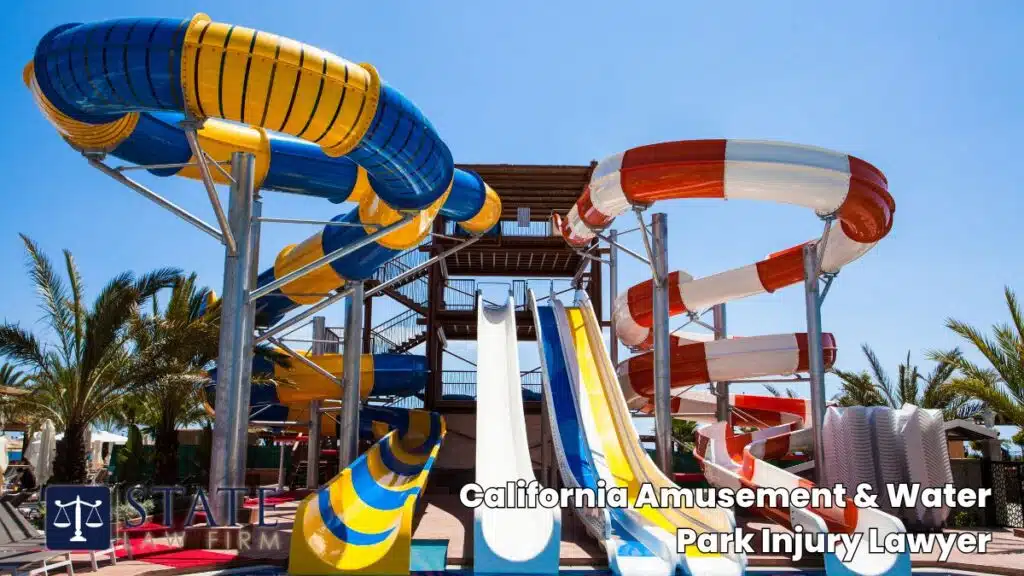
Visiting a California amusement park or water park is supposed to be all about fun and excitement. From the adrenaline rush of Six Flags Magic Mountain roller coasters to the refreshing slides at Raging Waters, these parks attract millions of visitors each year. However, when thrills turn into injuries, visitors may face serious consequences. In fact, thousands of amusement park injuries occur every year, with children accounting for a large share of those harmed. If you or a loved one was injured at a theme park or water park in California, it’s important to understand your legal rights and options.
As premises liability and personal injury experts with decades of experience, our team at State Law Firm has seen how devastating amusement park accidents can be. We’ve put together this comprehensive guide to help victims of park injuries navigate the legal landscape. Below, we discuss common causes of amusement and water park accidents, typical injuries, who may be liable, and the steps to take to pursue a claim. We also explain how a seasoned California amusement park injury lawyer can help you seek the compensation you deserve.
Understanding the Risks at Amusement and Water Parks
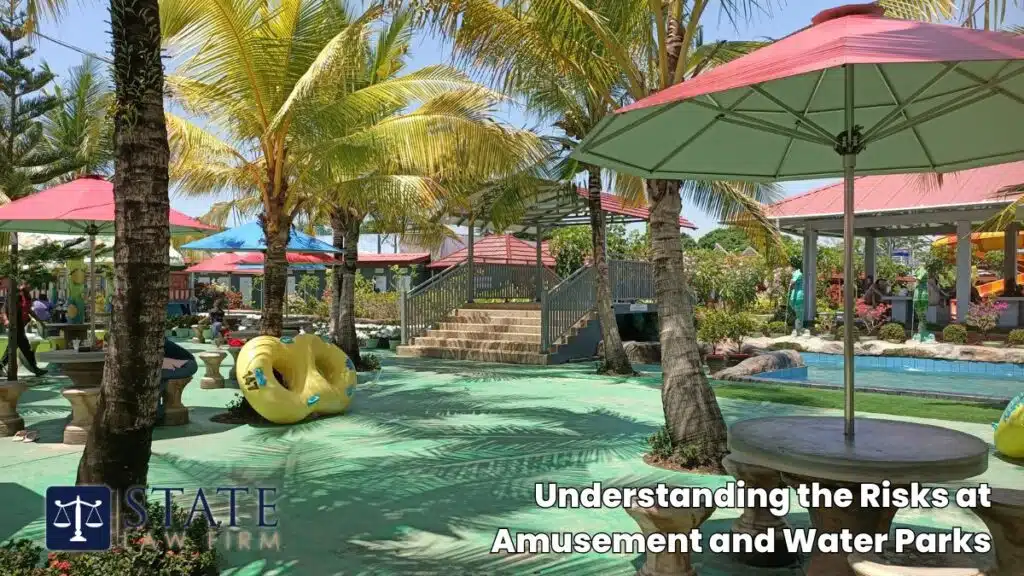
California’s theme parks and water parks are among the most popular in the world. Parks like Disneyland, Six Flags Magic Mountain, Knott’s Berry Farm, and Raging Waters draw huge crowds, especially in the summer. The atmosphere is crowded and energetic, and the rides are faster and more extreme than ever. While these attractions are heavily regulated for safety, the risk of accidents is real and growing.
According to the U.S. Consumer Product Safety Commission (CPSC), an estimated 30,000 amusement park-related injuries occur each year in the United States. These injuries range from minor cuts and bruises to severe trauma and even fatalities. California has strict safety regulations for amusement parks – for example, Cal-OSHA (the state Occupational Safety and Health Administration) inspects and permits rides to ensure they meet safety standards. Parks are required to perform routine maintenance, safety checks, and staff training. Unfortunately, accidents still happen. Negligence, mechanical failures, or hazardous conditions can quickly turn a day of fun into a nightmare.
Water parks carry their own risks as well. Wet surfaces and crowded wave pools can lead to slip-and-fall accidents, and water slides or wave rides can result in impact injuries or even drowning incidents if proper precautions aren’t taken. Even though lifeguards and ride operators are typically on duty, staff errors or lack of supervision can contribute to serious injuries. In short, whether you’re on a high-speed roller coaster or a towering water slide, you are entitled to a safe environment. When a park fails to provide that, they may be held legally accountable.
Common Causes of Amusement & Water Park Accidents
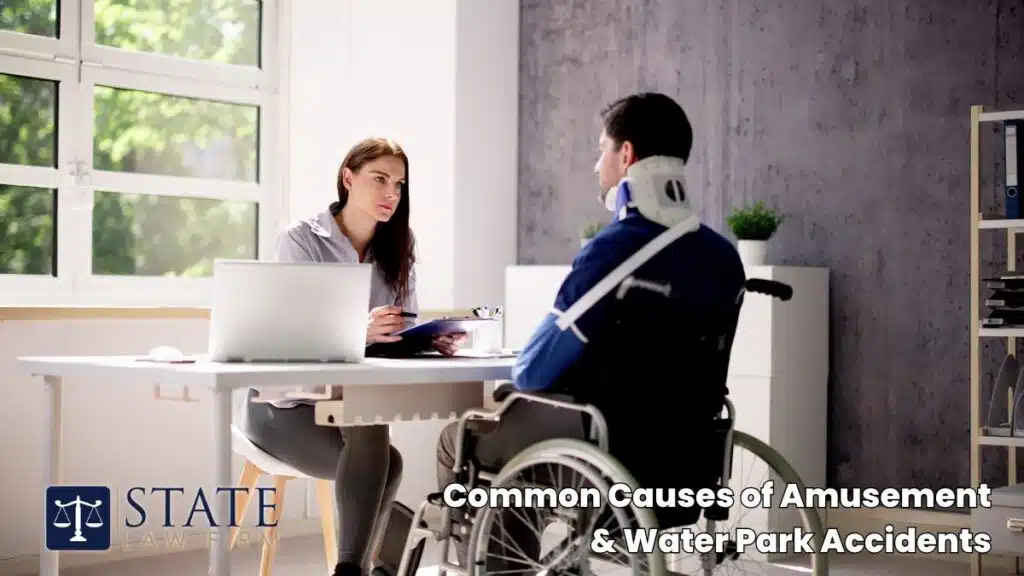
Understanding how and why these accidents happen is key to determining liability. Here are some of the most common causes of amusement park and water park injuries:
- Mechanical Failures or Ride Malfunctions: Defective ride design or manufacturing flaws can lead to catastrophic accidents. For example, a roller coaster’s restraint might fail or a water slide might have a dangerous design flaw. These defective products can throw riders from the ride or cause collisions. (In such cases, a defective products lawyer may pursue claims against manufacturers in addition to the park.)
- Poor Maintenance: Parks must keep their rides and facilities in safe condition. Broken ride components, worn-out safety restraints, or lack of regular inspections can create hazards. For instance, a loose bolt on a coaster or a poorly maintained waterslide platform can result in serious injuries to riders. If a park fails to maintain equipment properly, it can be deemed negligent under premises liability law.
- Operator Error and Inadequate Training: The human factor is critical. Ride operators and lifeguards need thorough training and must remain vigilant. Unfortunately, operator negligence – such as not fastening a seatbelt correctly, operating a ride at improper speeds, or failing to enforce height/weight restrictions – can directly cause injuries. In water parks, a distracted or under-trained lifeguard might not respond in time to a drowning emergency. Parks are responsible for hiring qualified staff and ensuring adequate training; when they don’t, accidents can happen.
- Slip-and-Fall Hazards: Amusement and water parks have extensive walkways, pool decks, and queues. Wet floors, spilled food or drinks, loose cables, or uneven pavement can lead to slip, trip, and fall injuries. For example, the area around a water ride or wave pool is often wet and slippery – if not properly drained and marked with warnings, guests can fall and get hurt. These incidents are a type of premises liability accident, similar to typical slip and fall accidents in stores or public places. The park must promptly address hazards and warn visitors, or it can be held liable for resulting injuries.
- Negligent Security or Crowd Management: Popular parks like Six Flags and Raging Waters can get extremely crowded. If the park fails to manage crowds or provide adequate security, dangerous situations may arise. Overcrowding can lead to trampling injuries or insufficient supervision of high-traffic areas. In some cases, fights or assaults have occurred on park premises. If a park has a history of incidents and lacks proper security measures (such as staff presence, surveillance cameras, and lighting), it could face a negligent security lawsuit if a visitor is attacked or harmed due to this lax security.
- Lack of Warnings or Signage: Parks must warn guests of potential hazards. This includes posting signs about height or health restrictions on rides, “no running” signs around pools, or clearly marking steps and elevation changes. When parks fail to warn about known dangers – for example, not indicating that a certain slide has a strong current or that a coaster isn’t suitable for people with heart conditions – they breach their duty of care.
- Food and Water Safety Issues: While not as dramatic as a ride crash, food poisoning or allergic reactions at parks can also lead to injury claims. If a park’s concession stand serves contaminated food leading to illness, or fails to label food allergens, they can be liable for resulting medical issues. Similarly, water parks need to maintain clean water; poor sanitation in pools can cause illnesses or infections for swimmers.
It’s worth noting that accidents aren’t limited to permanent theme parks. Traveling carnivals and county fairs, which feature temporary rides, often have less rigorous inspections. Rides that are quickly assembled and disassembled can pose higher risks. California’s laws apply to these situations too – whether your injury happened at a big park like Magic Mountain or a local fair’s ride, you have rights.
Typical Injuries from Park Accidents
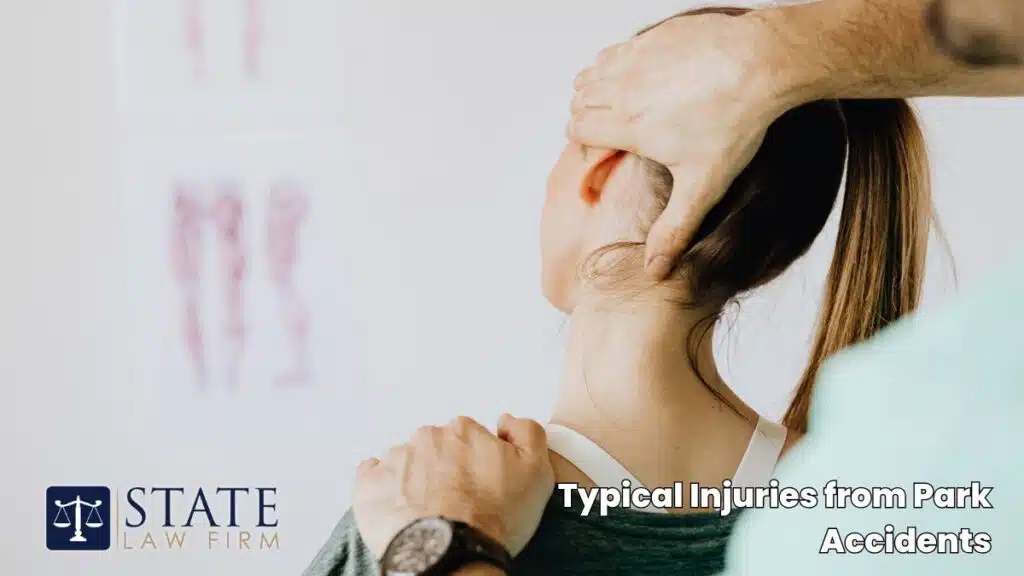
Injuries at amusement parks and water parks can range from minor to catastrophic. Some of the most common injuries we see in these cases include:
- Whiplash and Neck/Spinal Injuries: Sudden starts, stops, or jerky motions on rides (especially roller coasters or spinning rides) can cause whiplash. More severe incidents might lead to herniated discs or other spine injuries, potentially resulting in chronic pain or mobility issues.
- Head Injuries and Traumatic Brain Injuries (TBI): Blows to the head are a serious concern. A faulty restraint or collision on a ride can lead to concussions or more severe brain trauma. In one recent case, a young man suffered a fatal brain bleed after a coaster ride. Survivors of serious head injuries often face long recoveries. Traumatic brain injuries can have life-altering effects on memory, cognition, and personality – requiring extensive medical care. (Learn more about the impact of traumatic brain injuries from accidents and victims’ legal rights in California.)
- Broken Bones and Fractures: High-impact forces or falls commonly result in broken bones. We have handled cases of broken ribs from lap bar impacts, fractured arms or legs from falls off rides or platforms, and even loss of limb in extreme accidents. Such catastrophic injuries often require surgery and lengthy rehabilitation.
- Drowning and Water-Related Injuries: Water parks introduce the risk of drowning or near-drowning incidents. A person could be held underwater in a wave pool or become injured coming off a steep slide into a pool. Drowning can cause brain damage due to lack of oxygen, or death if the victim is not rescued in time. Even non-fatal water accidents can lead to secondary drowning (complications after water is inhaled into the lungs) and require hospitalization.
- Sprains, Cuts, and Bruises: Not every injury is dramatic, but even a twisted ankle from a defective staircase or deep cut from a sharp object on a ride can disrupt your life. Sprains or soft tissue injuries might seem minor at first but could worsen without proper treatment.
- Internal Injuries: The violent motion of some rides or impacts can cause internal organ injuries that are not immediately visible. There have been cases of internal bleeding or organ damage from roller coaster g-forces or blunt trauma in a rough ride.
- Psychological Trauma: Experiencing or even witnessing a terrifying accident can leave victims with emotional distress or post-traumatic stress disorder (PTSD). For example, seeing a loved one get hurt on a malfunctioning ride can be traumatizing. Emotional injuries are very real and are also compensable under personal injury law. Victims might suffer nightmares, anxiety, or fear of rides and crowds following an incident.
- Fatalities/Wrongful Death: Tragically, some amusement park accidents result in death. Families who lose a loved one in a park accident (whether through a fatal fall, blunt force trauma, or drowning) may have grounds for a wrongful death claim. No amount of money replaces a life, but a wrongful death lawsuit can hold the negligent parties accountable and help cover the financial and emotional impact on the family.
Every injury, big or small, should be taken seriously. It’s important to seek medical attention immediately after a park accident. Not only does this ensure your injuries are treated, but medical records will also serve as crucial evidence if you pursue a claim later.
Who Is Liable for an Amusement Park Injury?
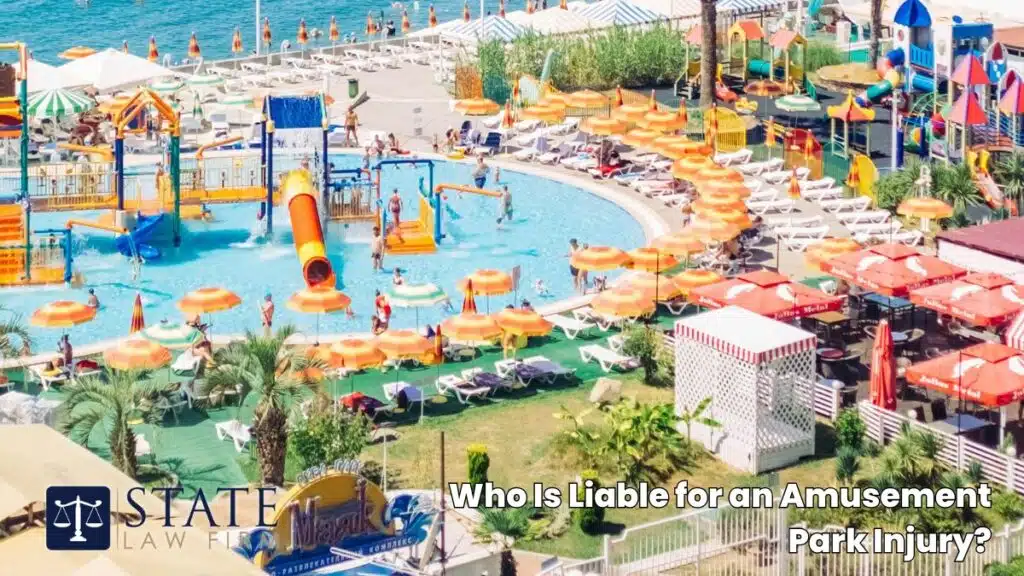
When you’re hurt at a park like Six Flags or Raging Waters, who can be held responsible? The answer often starts with the park owners and operators under the concept of premises liability. In California, property owners have a duty of care to keep their premises reasonably safe for guests. Amusement park visitors are typically considered invitees in legal terms, meaning the park owes you the highest duty of care. They must proactively inspect for hazards, fix dangerous conditions, and warn guests of any known risks. If they breach this duty and you get injured as a result, the park can be held liable for negligence.
Here are the potential parties that might be liable in a park injury claim:
- The Park Owner/Operator: This is usually the entity (company) that owns the theme park or water park. Big parks have extensive insurance and legal teams, but they can be held accountable if their negligence caused your injury. For example, if Six Flags Magic Mountain failed to properly maintain a roller coaster, or Raging Waters did not staff enough lifeguards at a wave pool, the park operator would be a primary defendant in a lawsuit. Even if you signed a ticket or entry waiver, these liability waivers do not absolve a park of gross negligence or safety code violations. (California law generally does not enforce waivers for reckless or grossly negligent conduct by the park.)
- Park Employees: Under the legal doctrine of respondeat superior, an employer (the park) is responsible for the actions of its employees performed in the scope of their job. So if a ride attendant’s mistake causes an accident, you typically sue the park company, not the individual worker. However, the employee’s actions (or inaction) would be evidence of the park’s negligence in training or supervision. In some cases, if an employee acted intentionally to cause harm (which is rare), there could be separate liability for that employee.
- Ride or Equipment Manufacturers: Sometimes an accident is due to a product defect – for instance, a ride’s lap bar mechanism was defectively designed or a critical part was manufactured improperly. In these cases, the company that made or designed the ride could be liable under product liability law. These claims often involve technical investigations and expert testimony to show a design or manufacturing flaw. Parks might also seek to pass blame to the manufacturer if they believe the ride was inherently unsafe. An experienced attorney will look at all possible defendants, including manufacturers and maintenance contractors, to ensure the true cause of the accident is addressed.
- Third-Party Vendors or Contractors: Some parks have outside vendors operating certain attractions, food services, or games. If your injury was related to a third-party operation (for example, a concession stand structure collapsed, or a independently-run bungee trampoline malfunctioned), that vendor could share liability. Maintenance companies contracted to service rides could also be brought in if they were negligent in inspections or repairs. Your lawyer will investigate whether any outside company’s negligence contributed to your injuries.
- Your Own Partial Responsibility: Parks often defend themselves by claiming the guest was partly or wholly at fault. They might argue you ignored safety rules, ventured into a restricted area, or failed to follow ride instructions. California follows a comparative negligence rule, which means even if you are partially at fault, you can still recover damages – but your compensation may be reduced by your percentage of fault. For instance, if a court finds that a rider was 20% at fault for standing up during a ride (against rules) and the park 80% at fault for an unsecure restraint, the rider’s award would be reduced by 20%. Don’t let the park automatically blame you – often, an experienced lawyer can counter these claims by showing the park’s failures were the primary cause.
In summary, determining liability in a park accident can be complex. It may involve premises liability for unsafe conditions, product liability for defective rides, and other negligence claims. This is why having a knowledgeable attorney is critical; they will identify the correct theories of liability and all parties who should be held responsible.
Steps to Take After an Amusement Park Injury
If you are injured at a theme park or water park, acting quickly and wisely after the incident can significantly strengthen your case. Here are important steps to take (many of these apply to any personal injury claim in California, including park accidents):
- Report the Incident Immediately: Notify park staff and management as soon as the injury occurs. Make sure an official incident report is filed with the park. This creates a written record of what happened. Ask for a copy of the report if possible. Do not downplay your injury – be clear about what hurt and how it happened.
- Document the Scene and Collect Evidence: If you are able, or have someone with you help, take photographs or videos of the accident scene. Capture the ride or area where it happened, any obvious hazard (for example, a broken seatbelt, puddle on the floor, or faulty guardrail), and the surrounding conditions. If it was a ride malfunction, take pictures of the ride setup or any visible defects. Also, save your park ticket or wristband, as it might have relevant info (date, time, any waiver language). Gather witness information too – if other guests saw what happened, get their names and contact info. Their testimony could be very valuable later, especially if liability is disputed.
- Seek Medical Attention Right Away: Your health comes first. Even if injuries seem minor, see a medical professional as soon as possible. Many injuries (like concussions or internal injuries) may not show symptoms immediately but can be dangerous. Going to the emergency room or a doctor not only ensures you get proper treatment, but it also documents your injuries in medical records. Be sure to tell the doctor exactly how you were injured (e.g., “I was thrown from a ride at a theme park” or “I slipped on a wet surface at a water park”) so it’s noted in your records.
- Don’t Sign Anything from the Park or Insurer Yet: In some cases, park representatives might try to get you to sign a waiver, release, or settlement shortly after the accident – sometimes in exchange for a refund, free tickets, or a small payout. Do not sign anything or give a recorded statement to the park’s insurance company without consulting a lawyer. You could inadvertently waive your right to full compensation. Politely decline and say you need to review it or speak to an attorney first.
- Consult a Qualified Personal Injury Lawyer: As soon as you can, reach out to an experienced amusement park injury attorney. A lawyer will guide you on the next steps and protect your rights. They can handle communications with the park and its insurance adjusters on your behalf. Initial consultations are usually free – for instance, you can get a free consultation with our team to evaluate your case. An attorney will also ensure that critical evidence (surveillance footage, maintenance logs, ride inspection records, etc.) is preserved before it disappears. Parks may not willingly hand over such evidence without legal pressure.
- Keep Records of Everything: Start a file for all documents related to the accident. This includes medical bills and records, receipts for any expenses (prescriptions, medical devices, travel to doctors), correspondence from the park or insurance companies, and your own notes about how the injury has affected you. If you miss work, keep track of lost wages. Also, consider keeping a journal of your recovery – noting pain levels, activities you can’t do, and emotional impacts. These notes can support a claim for pain and suffering and other damages.
- Mind the Deadlines: In California, there is a legal time limit to file a personal injury lawsuit, known as the statute of limitations. Generally, you have two years from the date of the injury to file a lawsuit for negligence. If you fail to file within that period, you may lose your right to seek compensation altogether. (If the claim is against a government entity – say, a city-run fair – the deadline can be much shorter, often 6 months to file a notice.) It’s crucial not to delay taking action. Your attorney will ensure all filings are done before deadlines expire. (For more details on timelines, see our guide on the statute of limitations for personal injury in California.)
By following these steps, you will be in a stronger position to pursue a claim and hold the negligent parties accountable. The period after an accident can be chaotic and stressful, but taking these actions can protect your legal rights while you focus on healing.
Compensation for Amusement Park Injury Victims
Victims of amusement park and water park accidents in California have the right to seek financial compensation for their losses. The exact value of a case depends on many factors – the severity of injuries, the degree of negligence, the impact on your life, etc. Generally, a successful personal injury claim can recover both economic and non-economic damages:
- Medical Expenses: This includes all hospital and doctor bills, surgery costs, medication, physical therapy, rehabilitation, and any future medical treatment you will need due to the injury. If you suffered a serious injury (like a TBI or spinal injury), the future medical costs can be substantial and should be accounted for in your claim.
- Lost Income and Earning Capacity: If your injuries caused you to miss work, you can claim lost wages. If the injury has long-term effects that impair your ability to work or advance in your career, you may also claim loss of earning capacity. For example, a severe injury that prevents you from returning to a physical job could warrant compensation for future lost earnings over your expected career span.
- Pain and Suffering: These are non-economic damages for the physical pain and emotional anguish you’ve endured. Amusement park injuries can be traumatic – you might suffer ongoing pain, scarring, nightmares, or loss of enjoyment of life. Placing a dollar value on pain and suffering is complex, but it is a crucial part of your compensation. (Our resource on estimating pain and suffering in California explains how lawyers and insurance companies calculate these damages.)
- Emotional Distress and Psychological Trauma: In addition to general pain and suffering, specific psychological injuries (such as PTSD, anxiety disorders, or depression following an accident) can be claimed. Therapy costs or counseling expenses related to the accident are economic damages, while the emotional toll itself is non-economic damage.
- Permanent Disability or Disfigurement: If the accident left you with a lasting impairment (like paralysis, amputation, or brain damage) or visible scars and disfigurement, the compensation should reflect the lifelong impact. This can include costs for prosthetics, mobility aids, home modifications, and the loss of quality of life associated with the disability. These cases often fall under catastrophic injury claims and may result in higher awards given the profound effect on the victim’s life.
- Loss of Consortium: If the injuries severely affect your relationship with your spouse or family (for instance, the injured person can no longer provide the companionship, affection, or help they did before), the spouse may have a claim for loss of consortium. This is more common in very severe injury cases.
- Wrongful Death Damages: In the event of a fatal accident, the surviving family members can seek wrongful death damages. This typically includes funeral and burial expenses, loss of the deceased’s financial support and benefits, and compensation for the loss of companionship and guidance that the family suffers. California law also allows a survival action to recover any medical bills or lost wages the deceased incurred between the time of injury and death.
Keep in mind that insurance companies for the parks will often try to minimize these payouts. It’s common to receive a low settlement offer initially, which might not fully cover future expenses or acknowledge intangible losses. An experienced lawyer can help prove the full extent of your damages with evidence (medical expert testimony, economic loss reports, etc.) and negotiate aggressively on your behalf. If a fair settlement isn’t offered, your lawyer can file a lawsuit and take the case to court to fight for what you deserve.
How a California Amusement Park Injury Lawyer Can Help
Dealing with a serious injury from a park accident can be overwhelming. Beyond the physical pain and emotional trauma, victims face medical bills, insurance paperwork, and complex legal questions. This is where having a seasoned personal injury lawyer is invaluable. Our firm has 25+ years of experience fighting for injured clients’ rights, and we understand the unique challenges that amusement park injury cases present.
Here are some ways an experienced amusement & water park injury lawyer can make a difference in your case:
- Investigation and Evidence Gathering: We will conduct a thorough investigation of the incident. This may involve obtaining ride maintenance records, safety inspection reports, surveillance footage from the park, and any prior complaint or accident history for the ride or location. We also collaborate with experts such as accident reconstruction engineers or biomechanical experts who can explain how the failure occurred. For water park cases, we might bring in aquatics safety experts to assess lifeguard practices or pool design. This level of investigation is crucial to build a strong case that clearly shows how the park’s negligence caused your injuries.
- Understanding of Premises Liability Law: Amusement park cases often hinge on premises liability principles. A skilled lawyer can navigate California’s premises liability laws and demonstrate how the park breached its duty of care. We know how to show that a hazard was foreseeable and should have been addressed by the park. If the park tries to argue they didn’t know about the danger, we gather evidence to prove they should have known (for example, a broken part that clearly had not been inspected for months).
- Handling Insurance Companies: When you file a claim, you will likely be dealing with the park’s liability insurance company. Their adjusters and attorneys have one goal – to save money for their company, not to fairly compensate you. They may use tactics like shifting blame to you, downplaying your injuries, or dragging out the process. A lawyer serves as your advocate, handling all communication with the insurer so you don’t have to. We know the insurance bad faith tactics to watch for, and we won’t let them take advantage of you. Our involvement also signals to the insurance company that you’re serious about your claim, often leading to more reasonable offers.
- Calculating Your True Damages: As discussed, the full extent of your losses can be much greater than your initial medical bills. We work with medical experts, vocational specialists, and economists to determine how the injury will affect you long-term. This ensures that any settlement or verdict accounts for future medical care, rehabilitation, lost earning potential, and ongoing suffering. If you have a permanent injury, we calculate the lifetime costs. This comprehensive approach prevents you from settling too early for an amount that seems okay now but falls short later.
- Negotiation and Settlement: Many personal injury cases settle out of court when handled by an experienced attorney. We will present a strong claim package to the park’s insurers, including all evidence of liability and documentation of your damages. Our attorneys are skilled negotiators who know what your case is truly worth. We’ll negotiate for a fair settlement that covers all your needs. If multiple parties are involved (park, manufacturer, etc.), we can pursue all avenues of recovery.
- Litigation and Trial Representation: If the other side refuses to offer a fair amount, we are fully prepared to take your case to court. Filing a lawsuit can sometimes push the insurance company to increase their offer once they see you won’t back down. Throughout the litigation process – filing complaints, conducting depositions, dealing with defense attorneys – our team handles everything. We keep you informed every step of the way. And if the case goes to trial, you’ll have a dedicated advocate presenting a compelling case to the jury. Our goal is to prove clearly how the park was negligent and why you deserve substantial compensation. Having an attorney with trial experience is a big advantage; it also signals to the other side that we won’t hesitate to go to trial, which can lead to better settlement offers.
- Personal Support and Guidance: Beyond the legal battle, a good lawyer provides peace of mind. We manage the deadlines, the paperwork, and the strategy, so you can focus on your recovery. We’re also here to answer your questions and advise you on decisions like settlement vs. trial. At State Law Firm, we pride ourselves on compassionate service – our clients are people, not just cases. We understand how disruptive an accident can be to your life, and we aim to alleviate the burden by fighting for you.
Facing off against a large theme park corporation or insurance company can be intimidating. Remember that you don’t have to go it alone. Our firm has successfully handled cases against major parks and knows how to overcome their defenses. Whether it’s proving a ride was unsafe or showing that park staff failed in their duties, we work tirelessly to hold negligent parties accountable. Our ultimate goal is to secure the maximum compensation available so you can heal and move forward with financial security.
Protecting Your Rights after a Theme Park or Water Park Injury
Amusement park and water park injuries can be complex, but California law is on the side of those hurt by negligence. Parks that put profits or thrills over safety can and should be held liable when visitors are harmed. If you or a family member was injured at Six Flags, Raging Waters, or any other amusement attraction, take action to protect your rights.
At State Law Firm, our experienced team of personal injury attorneys is here to help. We have extensive knowledge of premises liability cases, including theme park accidents, and a track record of fighting for injured clients throughout California. From the moment you contact us, we will treat your case with urgency and care. Let us investigate what happened, explain your legal options, and aggressively pursue justice on your behalf.
Don’t suffer in silence. Reach out for the legal help you need. You can contact our firm for a free consultation, and we will review the details of your incident at no cost. We’ll answer your questions and outline the next steps to seek compensation for your medical bills, lost income, and pain and suffering. Our goal is to make these parks safer by holding them accountable and to secure the financial recovery you deserve after a traumatic accident.
Remember: You have rights as a visitor, and you are not alone in this process. With a knowledgeable California amusement park injury lawyer by your side, you can focus on healing while we focus on winning your case. Your road to recovery starts with understanding your legal options – and we’re here to guide you every step of the way, from injury to resolution of your personal injury claim. Stay safe, and know that if the unthinkable happens, we’re in this together to help you seek justice.