Spanish
  English
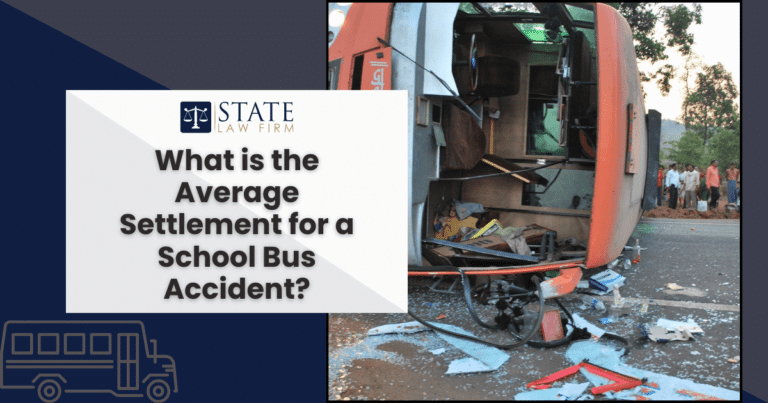
There is no reliable average settlement for a school bus accident in California. The value of a school bus accident claim depends on the injuries, medical needs, available evidence, responsible parties, insurance or public-entity resources, and the accident’s long-term effect on the injured person. A claim involving a child or a public school district may also require procedures that do not apply in an ordinary two-car collision.
Published settlement figures rarely provide a useful comparison because every case has different facts and many agreements are confidential. A careful case evaluation focuses on documented losses and the law that applies to each defendant, not an unsupported settlement range.
Is There an Average Settlement for a School Bus Accident?
No dependable statewide database establishes an average settlement for a school bus accident. A minor injury that resolves quickly is different from a traumatic brain injury, spinal injury, permanent disability, or fatal collision. Liability may also be disputed, and several parties may share responsibility.
For those reasons, broad settlement calculators and advertised averages can be misleading. A more useful question is: What evidence shows the full financial and personal effect of this particular accident?
What Factors Affect a School Bus Accident Settlement?
School bus accident settlements are generally evaluated using the same core categories of loss found in other California injury claims, but public-entity rules and claims involving children can add complexity.
Nature and severity of the injuries
The diagnosis, treatment required, recovery period, and expected long-term effects often have the greatest influence on claim value. Relevant records may include emergency care, imaging, specialist evaluations, rehabilitation, counseling, and recommendations for future treatment.
Past and future medical needs
A claim may account for reasonable medical expenses already incurred and, when supported by medical evidence, future care related to the accident. Future needs can include surgery, therapy, assistive devices, medication, home modifications, or long-term support.
Lost income and reduced earning capacity
An injured adult may lose wages or the ability to perform the same work. When a child is seriously injured, the analysis may include future educational, vocational, or earning limitations, but those losses generally require careful supporting evidence rather than speculation. A parent may also have a separate wage-loss issue if time away from work was reasonably necessary to care for an injured child.
Pain, emotional harm, and loss of normal activities
California personal injury claims may include non-economic harm such as physical pain, emotional distress, inconvenience, disfigurement, and loss of enjoyment of life. The evidence should connect those effects to the collision and explain their duration and severity.
Liability and comparative fault
Evidence about how the crash occurred can change the outcome. California generally follows comparative fault, so compensation may be reduced when an injured person is found partly responsible. In a school bus case, investigators may examine the conduct of the bus driver, another motorist, the school district, a private operator, maintenance providers, and other potentially responsible parties.
Available insurance and responsible parties
A school bus accident may involve commercial coverage, a public entity, a private transportation company, another driver’s policy, or several sources of recovery. The amount and type of available coverage can affect how a claim is resolved, especially when many people are injured in the same crash.
Who Can Be Responsible for a School Bus Accident?
Responsibility depends on the cause of the accident and the relationship between the driver, bus operator, school, and other parties. Potentially responsible parties may include:
- A bus driver who drove carelessly, violated a traffic rule, or failed to respond reasonably to road conditions.
- A public school district or other government entity when the law permits liability for an employee’s conduct or another public-entity condition.
- A private bus company that employed the driver, operated the route, or failed to use reasonable hiring, training, or supervision practices.
- Another motorist whose unsafe driving caused or contributed to the collision.
- A maintenance provider when negligent inspection or repair contributed to a mechanical failure.
- A vehicle or component manufacturer when a legally actionable defect contributed to the injuries.
- Another entity responsible for a dangerous condition, depending on the location and facts.
More than one party may share fault. Identifying the correct defendants early matters because different notice requirements, deadlines, insurance policies, and legal defenses may apply.
Are Claims Against a California School District Different?
Often, yes. A school district and some other public entities are generally subject to California’s Government Claims Act. Before filing many personal injury lawsuits against a public entity, a claimant must first present an administrative claim that identifies the incident and requested relief.
Bajo California Government Code section 911.2, a claim relating to injury to a person generally must be presented within six months after the cause of action accrues. Exceptions and late-claim procedures may apply, and the time to file a lawsuit after a claim is rejected can depend on how the public entity responds. The California Department of General Services also explains the state government-claim process, although claims against a school district are typically presented to the appropriate local entity rather than the state.
These administrative rules can be shorter and more technical than the ordinary statute of limitations. A parent should not assume that a child’s age automatically pauses every government-claim deadline. Prompt legal review may help determine which entity operated the bus, where a claim must be presented, and which deadlines apply.
How Long Do You Have to File a California School Bus Accident Claim?
The deadline depends on the defendant and the legal theory. A claim against a public school district may require an administrative claim within the shorter period discussed above. A case involving a private bus company or another motorist may follow different limitation rules. Claims involving wrongful death, defective products, dangerous public property, or a minor can raise additional issues.
Because the applicable deadline can change with the facts, this article cannot provide a single filing date for every case. Preserving records and identifying the bus owner and operator quickly is usually important, even when the injured person is a child.
What Happens When a Child Is Injured in a School Bus Accident?
A child may experience physical injuries, emotional trauma, missed school, learning interruptions, and future medical or developmental needs. The claim should be based on documented effects rather than assumptions about how quickly a child will recover.
California also provides court oversight for many settlements involving minors. Under Code of Civil Procedure section 372, a court may approve a compromise of a minor’s disputed claim. Depending on the settlement and the court’s order, funds may be placed in a blocked account, structured arrangement, trust, or another protected form. The Judicial Council’s Petition to Approve Compromise of Claim form reflects information commonly required for that review.
Court approval is designed to protect the child’s interests. The procedure can also affect settlement timing and how funds are held or used.
What Evidence Can Affect a School Bus Accident Claim?
Evidence may disappear quickly after a crash. Depending on the circumstances, useful materials can include:
- police or collision reports;
- school and transportation incident reports;
- onboard, traffic, surveillance, or dash-camera video;
- driver qualification, training, and employment records;
- bus inspection, repair, and maintenance records;
- route, dispatch, GPS, and electronic logging information;
- witness names and statements;
- photographs of the vehicles, roadway, and visible injuries;
- medical records, bills, and treatment recommendations;
- school attendance and educational records showing accident-related effects; and
- income and employment records supporting wage loss.
A written preservation request may be appropriate when video or electronic data could otherwise be overwritten. The party entitled to obtain a record, and the procedure for doing so, depends on who controls it and whether litigation has begun.
What Happens If a School Bus Hits Your Car?
If a school bus hits a passenger vehicle, the occupants’ claims still depend on fault, injury evidence, and the identity of the bus operator. Seek necessary medical care, report the collision, photograph the scene when it is safe to do so, obtain witness information, and avoid speculating about fault in statements to insurers.
Try to document the bus number, school district or company name, license plate, route, and driver’s information. Those details can help identify whether a public entity or private contractor was involved. Property damage and injury claims may involve different documentation and adjusters.
What Damages May Be Available?
Depending on the facts and applicable law, a school bus accident claim may seek compensation for:
- past and future medical expenses;
- lost wages and reduced earning capacity;
- property damage and other accident-related out-of-pocket losses;
- physical pain and emotional distress;
- disfigurement, disability, and loss of normal activities; and
- wrongful-death damages when a collision is fatal and an eligible person brings the claim.
Not every category applies in every case. Punitive damages are not available merely because an accident caused severe harm, and California law restricts punitive-damage claims against public entities. Any damages analysis should be tied to admissible evidence and the defendants actually involved.
When Should You Consider Speaking With a Bus Accident Lawyer?
Legal review may be useful when injuries are significant, a child needs future care, fault is disputed, several parties may be responsible, evidence could be lost, or a school district or other government entity is involved. An attorney can investigate ownership and operation of the bus, identify potential defendants, evaluate deadlines, and communicate with insurers or public entities.
State Law Firm’s Abogado de accidentes de autobús en Los Ángeles page explains the firm’s services for people considering legal help after a bus collision. A consultation can help clarify options, but no article can predict a settlement or replace advice based on the specific facts.
Frequently Asked Questions About School Bus Accident Settlements
What is the average settlement for a school bus accident?
There is no reliable universal average. School bus accident settlements depend on injury severity, medical needs, fault, evidence, responsible parties, available coverage, and whether special public-entity or minor-settlement procedures apply.
How much compensation can you get from a school bus accident?
Compensation varies with the losses that can be proved and the law governing the claim. Possible categories include medical expenses, wage loss, future care, property damage, pain, emotional harm, disability, and other legally recoverable damages.
Who pays a school bus accident settlement?
Payment may come from a school district or other public entity, a private bus operator, an insurer, another driver, a maintenance contractor, a manufacturer, or multiple parties. The answer depends on who caused the accident and which insurance or public resources apply.
Are school bus accident claims against a school district different?
They can be. California’s Government Claims Act generally requires an administrative claim before many personal injury lawsuits against a public entity. The claim deadline may be much shorter than the ordinary lawsuit deadline.
Does a child’s school bus accident settlement require court approval?
Many California settlements of a minor’s disputed claim require court approval. The court may also direct how settlement funds are protected or distributed. The exact procedure depends on the case and proposed settlement.
How long does a school bus accident lawsuit take?
There is no fixed timeline. Medical recovery, number of claimants, public-entity procedures, disputed liability, expert analysis, insurance negotiations, court approval for a minor, and trial scheduling can all affect duration.
This article provides general information about California law and is not individualized legal advice. Laws, deadlines, and procedures may change, and exceptions may apply.