Spanish
  English
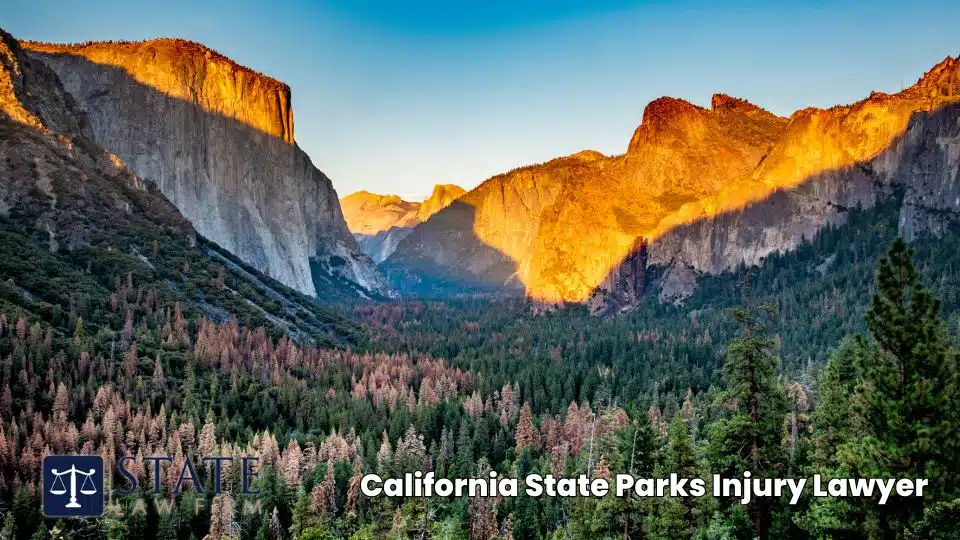
Visiting California’s breathtaking state and national parks – from the towering cliffs of Yosemite to the rugged coastline of Big Sur – is a beloved pastime for millions. However, accidents can and do happen even in these idyllic settings. Hikers slip on poorly maintained trails, campers might be injured by falling tree limbs, and drivers could face collisions on winding park roads. When a fun outing turns into an injury, you may need to explore your legal options. This is where a California State Parks injury lawyer comes in, helping victims pursue claims for accidents in public recreation areas.
The Risks of Accidents in California’s Parks and Recreation Areas
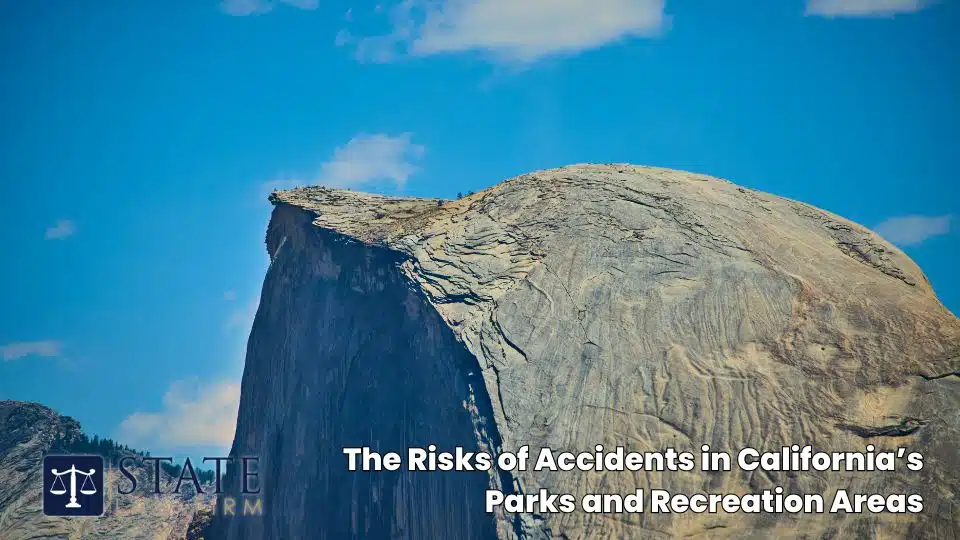
California’s parklands offer diverse terrains and activities – and with that diversity comes a range of potential accidents and injuries. Visitors might suffer accidentes por resbalones y caídas on wet or uneven pathways, especially if park management hasn’t addressed a known hazard. In mountainous areas like Yosemite, falls from heights or rockslide injuries are a real concern. Coastal parks such as Big Sur present risks like drowning accidents in unsupervised waters or injuries on steep oceanfront cliffs. Wildlife encounters and environmental conditions (like wildfires or flash floods) can also lead to harm.
It’s important to recognize that while some dangers are inherent to outdoor recreation, others stem from negligence. For example, if a trail is known to be dangerous due to erosion but no warning signs or barriers are provided, the park authority might bear responsibility. Likewise, vehicle accidents often occur on park roads – if poor road maintenance or lack of signage contributed to a crash, the government agency in charge of the park could potentially be liable. Every scenario is different, so understanding the cause of the accident is key to determining who might be held liable.
Premises Liability in Public Parks: Who Is Responsible?
Just like owners of amusement parks or private properties must keep their premises reasonably safe for visitors, public park authorities have a deber de cuidado to maintain safe conditions. Responsabilidad de las instalaciones laws apply to government-owned lands as well, though pursuing a claim is more complex when a public entity is involved. If you’re injured because of a dangerous condition on public property – for instance, a broken boardwalk at a state beach or an unsafe overlook railing at a park – the managing agency could be considered negligent.
However, identifying the liable party can be tricky. In some cases, a third party might be responsible: perhaps a contracted tour operator or a concession stand in the park created the hazard. If you were injured due to another visitor’s actions (like being struck by a reckless bicyclist on a park trail), that individual may be liable instead of the park itself. An experienced attorney will investigate the circumstances to pinpoint who is accountable.
Vale la pena señalar que derechos de los visitantes in public parks are similar to those at private venues – you have the right to be warned of known dangers and to expect reasonable safety measures. Our legal system recognizes that injured visitors deserve recourse, whether the incident happened at a commercial theme park or on a public hiking trail. (For an in-depth look at premises liability and visitor rights in recreational settings, see our guide on injuries at theme parks and how premises liability protects guests.)
Sovereign Immunity and Government Liability for Park Accidents
When the potentially liable party is a government agency (such as California State Parks or the National Park Service), special rules apply. Sovereign immunity is a legal doctrine that historically protects government entities from being sued. Fortunately, both California law and federal law provide important exceptions that allow injured people to seek compensation for negligence. Under the California Tort Claims Act, you can sue a state or local government for an injury if it was caused by things like:
- Negligence of government employees (e.g., a park ranger’s negligent operation of a vehicle causing a crash).
- Condiciones peligrosas en la propiedad pública (e.g., a poorly maintained trail or unsafe facility in the park).
- Muerte por negligencia caused by the public entity’s negligence.
These exceptions mean that if you were hurt due to the park administration’s negligence, you may have a valid claim despite sovereign immunity. For more details on the legal process and limitations, check out our article on suing the government in California and how sovereign immunity works.
That said, pursuing a claim against a government agency is more complicated than a standard personal injury case. There are strict procedural requirements and tight deadlines. In California, you generally must file a formal government claim notice within 6 meses of the incident. This is a written claim submitted to the appropriate agency (for instance, the California Department of Parks and Recreation for a state park injury, or the U.S. National Park Service for a national park injury like one at Yosemite). If you miss this deadline, you could lose your right to sue entirely. After you file the claim, the agency has a period to respond or reject it. Only after that process can you file a lawsuit in court.
Government claims also often have damage caps and other limitations. For example, certain types of damages might be limited by law when suing a public entity. It’s also important to be aware of specific immunity provisions – California law, for instance, grants immunity to public entities for injuries stemming from natural conditions of unimproved public property. This means if your injury was caused by a natural feature in a wilderness area (like a falling rock or an unforeseeable wildlife incident), the government might be immune from liability. Each case needs careful analysis to see if an exception to immunity applies.
Common Types of Injuries and Incidents in Parks
Understanding what kinds of accidents occur in parks can help you and your attorney assess negligence:
- Resbalones y caídas: Uneven ground, slippery rocks near waterfalls, or debris on trails can lead to serious falls. If a known hazard wasn’t addressed or warned about, it could be negligence. Some falls result in fractures, sprains, or even traumatic brain injuries.
- Falls from Heights: Parks like Yosemite have high cliffs and overlooks. Lack of railings or inadequate warning signs at dangerous viewpoints can lead to deadly falls.
- Water-Related Accidents: Drownings or injuries in lakes, rivers, and the ocean (in coastal parks) are unfortunately common. These might involve lack of warnings about strong currents, no lifeguards at a designated swim area, or defective rental equipment (like a faulty kayak).
- Wildlife Encounters: Wild animal encounters (bear attacks, snake bites, etc.) are often considered inherent natural risks. However, if park management knew of a particularly dangerous animal activity (for example, frequent aggressive bear interactions at a campsite) and failed to warn or take precautions, there could be a negligence element.
- Colisiones de vehículos: Scenic drives can turn tragic due to narrow roads, sharp turns, or tourists stopping abruptly. If poor road maintenance (faded lane markings, potholes) or missing signage played a role, the park could share blame. On the flip side, many collisions are simply due to driver negligence, in which case standard auto accident claims apply.
- Assaults or Crime: Though less common, parks are not immune to crime. In a poorly lit parking lot or remote area, an assault or robbery could occur. If there’s a history of crime in an area and the park failed to provide adequate safety measures (like lighting or patrols), victims might have grounds for a negligent security claim against the park authorities. (Learn more about holding property owners accountable in our post on negligent security lawsuits in California.)
Each of these scenarios involves different legal considerations. An experienced lawyer will know how to frame your case depending on the type of incident – whether it’s a straightforward premises liability claim or a more complex argument involving government liability.
Steps to Take After an Accident in a State Park
If you or a loved one is injured at a state or national park, your actions in the immediate aftermath can significantly impact your ability to recover compensation. Here are critical steps to take:
- Busque atención médica: Your health comes first. If injuries are serious, call for help – park rangers and emergency services should be alerted right away. Even if you think you’re okay, get evaluated by a medical professional as soon as possible. Prompt treatment not only protects your well-being but also creates documentation linking the injuries to the incident.
- Reportar el incidente: Notify park officials or rangers and file an incident report. Just as you would report a slip and fall to a store manager or file a police report after a car crash, make sure the park authorities have an official record of what happened. Provide details of where, when, and how the accident occurred. If you’re at a national park like Yosemite, report to the National Park Service rangers; at a state park, report to the park superintendent or ranger station. Request a copy of any report filed.
- Recopilar evidencia: Si puedes, documentar la escena thoroughly. Take photographs or video of the hazard or accident location – whether it’s the broken stair on a trail, the lack of a warning sign, or the exact spot where you fell. Photos of your injuries can also be useful. If there were witnesses (e.g., fellow hikers who saw you fall), get their names and contact information. Evidence from the scene can be crucial in proving that a dangerous condition existed or negligence occurred.
- Evite admitir la culpa: In the moment, people often apologize or say things like “I should have been more careful.” Resist the urge to take blame or make any broad statements. There may be factors you’re unaware of (like a hidden defect or prior similar accidents at that spot). Stick to the facts when talking to park staff and don’t speculate about fault. Also, do not sign any forms from the park or insurance companies without understanding them – sometimes agencies might ask you to sign a release or waiver; consult an attorney first.
- Consult a Personal Injury Lawyer: Given the legal complexities of park injury claims, it’s wise to speak with an abogado con experiencia en lesiones personales before pursuing a claim. A lawyer who understands premises liability and government claims can guide you through the California Tort Claims Act process, help preserve evidence, and ensure all deadlines are met. Most importantly, your attorney will advocate on your behalf when dealing with government entities or insurance adjusters. Remember, initial consultations are often free, so you risk nothing by getting professional legal advice on how to proceed.
Following these steps can strengthen your case significantly. (Our firm’s post on important steps to take after a slip & fall accident provides more detailed guidance that is also applicable to many park-related accidents.) Taking the right actions early on preserves your right to compensation and helps your legal team build a solid claim.
Compensation for Injuries in Park Accidents
Victims of park accidents may incur substantial losses – from steep medical bills to the intangible toll of pain. In a successful personal injury claim or lawsuit, you can pursue various types of compensation (damages) to make you whole:
- Gastos médicos: This includes emergency care, hospital bills, surgery costs, medications, physical therapy, and any future medical treatment you’ll need for your injuries. Keep records of all medical visits and expenses.
- Pérdida de ingresos y capacidad de generar ingresos: If you missed work due to your injury or have become unable to perform your job, you can claim lost wages. In more severe cases, if the injury impacts your long-term earning ability (for instance, a disability from a spinal injury), that diminished earning capacity should be compensated.
- Dolor y sufrimiento: These are non-economic damages for the physical pain and emotional distress endured. Injuries often come with considerable suffering, from chronic pain to PTSD or anxiety after a traumatic incident. Calculating a dollar value for pain and suffering can be complex; it often depends on the severity of the injury and the impact on your life. (For insight into how these damages are evaluated, read our resource on estimating pain and suffering in a California injury case.)
- Angustia emocional: Beyond general pain and suffering, some cases involve specific psychological injuries – for example, someone who survives a fall from a cliff might develop a severe anxiety disorder or depression. Therapy costs and the psychological impact are part of your compensable damages.
- Otros costos de bolsillo: Any miscellaneous expenses caused by the accident – like travel costs for medical appointments or the cost of modifying your home to accommodate a wheelchair – should be included.
- Daños por muerte por negligencia: Tragically, some park accidents are fatal. Family members of a person who died due to a park’s negligence can file a demanda por muerte por negligencia. In California, wrongful death damages may cover funeral and burial costs, the loss of the loved one’s financial support, and the loss of companionship and affection. (See our article on Reclamaciones por muerte por negligencia en California for more on what families can recover and how these cases work.)
Keep in mind that when a government entity is the defendant, certain damages might be limited by law. For instance, in California you generally cannot recover punitive damages against a public entity, and there may be specific limits if the claim involves a public healthcare provider or similar. A knowledgeable attorney will be familiar with these nuances and will fight to maximize your compensation within the allowed legal framework.
Why You Need an Experienced State Parks Injury Lawyer
Navigating a park injury claim is not a simple DIY project – especially if a government entity is involved. Public agencies often have teams of lawyers and adjusters whose goal is to minimize or deny claims. They might argue that they didn’t know about the hazard, or that an injury was due to the victim’s own risky behavior. Additionally, the procedural hurdles (like the 6-month claim filing rule) can trip up those unfamiliar with the process.
This is where having an experienced personal injury lawyer – particularly one well-versed in premises liability and government claims – becomes invaluable. An attorney who has handled California park accident cases will know how to investigate the incident thoroughly, gathering evidence of negligence. They can identify if the accident falls under a sovereign immunity exception, ensure the government claim is properly filed on time, and push back against any unfair tactics by the agency’s legal team.
En Bufete de abogados estatal, our attorneys have extensive experience with complex injury cases, including those against government entities. As a boutique firm of dedicated litigators, we understand the challenges victims face when going up against a city, the state, or even the federal government. Our premises liability lawyers have helped clients injured in a wide variety of settings – from urban slip and falls to outdoor recreational accidents – and we pride ourselves on fighting for the rights of visitors who were hurt due to negligence. We approach every case with the thoroughness and tenacity it deserves, whether you were injured at a local park in Los Angeles or on a trail in a state park miles from the city.
Seek Legal Help to Protect Your Rights
A day of hiking or sightseeing should never end in financial ruin or life-altering injuries without recourse. If you’ve been hurt at Yosemite, Big Sur, or any California public recreation area, don’t assume you have to bear the consequences alone. A California State Parks injury lawyer can evaluate your situation, advise you on the best course of action, and handle the legal heavy lifting while you focus on recovery.
Remember, time is of the essence in these cases due to special claim deadlines. It’s wise to reach out for professional legal advice as soon as possible after the incident. Our firm offers a consulta gratuita to review your case and discuss your options. You’ll get honest guidance on whether you have a viable claim and what steps to take next.
Accidents in California’s beautiful parks can be overwhelming, but you don’t have to navigate the aftermath on your own. With the right legal support, you can pursue the compensation you deserve and hold the responsible parties accountable – ensuring that you and your family are protected as you move forward. Contáctanos hoy for assistance, and let us help you turn a distressing experience into a path toward justice and recovery.